Wilderness Landscape & Natural Heritage
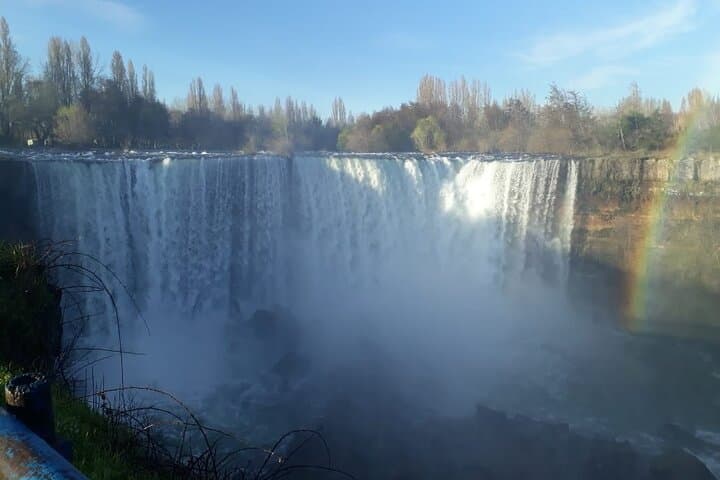
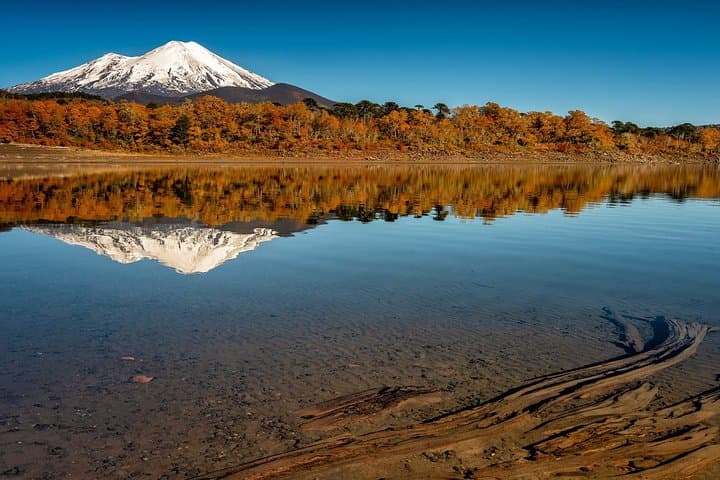
The Laja River Protected Zones encompass important stretches of riverine environments along the Laja River, one of the major watercourses in Chile's Biobío region. These protected zones aim to safeguard the river’s ecological integrity, support biodiversity conservation, and promote sustainable recreational use. Geographically, the zones include foothill and valley sections surrounded by forested slopes and agricultural lands, creating a mosaic of habitats that support various native flora and fauna. The river itself is notable for its clear waters and abundance of native fish species, including native trout and other freshwater species prized by anglers. Ecologically, the protected zones provide critical breeding and feeding grounds for birds and mammals, while preserving forests dominated by species such as lenga and coigüe trees. Historically, the area surrounding the Laja River has been important both for indigenous Mapuche communities and for Chilean settlers, with longstanding cultural ties and traditional uses of the river and its resources. Outdoor enthusiasts come here to enjoy hiking on trails that trail the riverbanks and nearby ridges, fly fishing in the river, and photography focused on the scenic waterfalls and native wildlife. The area's scenic highlights include the impressive Salto del Laja waterfall downstream and numerous lesser cascades and pools. Conservation efforts focus on maintaining water quality, controlling invasive species, and balancing recreational use with habitat preservation. The Laja River Protected Zones offer visitors a tranquil natural setting close to the urban centers of the Biobío region, making it an accessible but vital natural refuge in central-southern Chile.