Wilderness Landscape & Natural Heritage
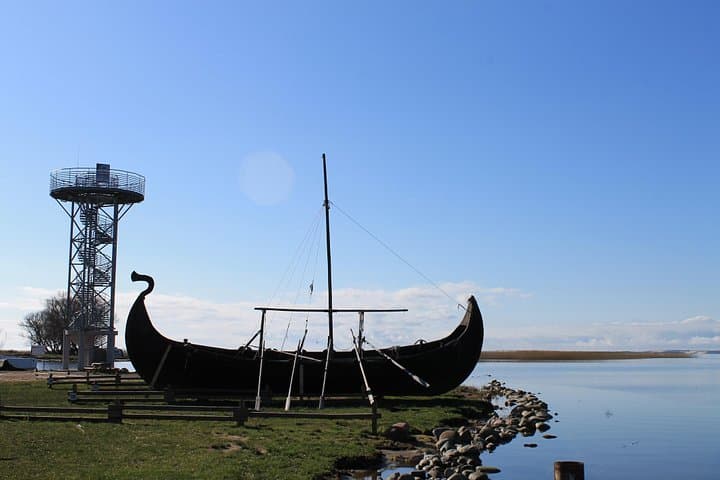
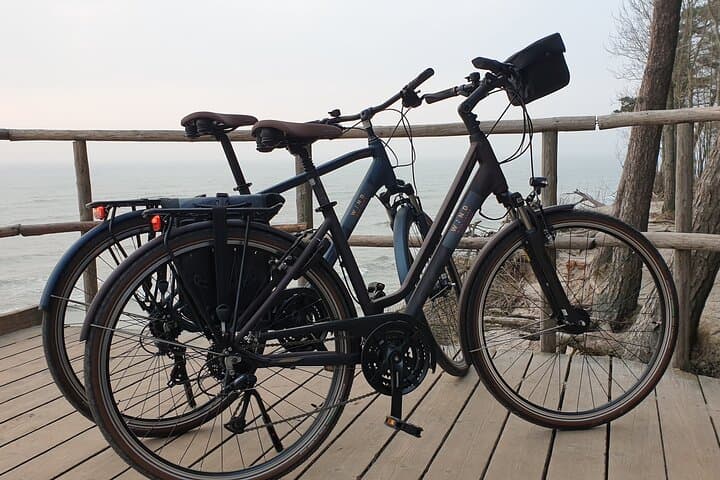
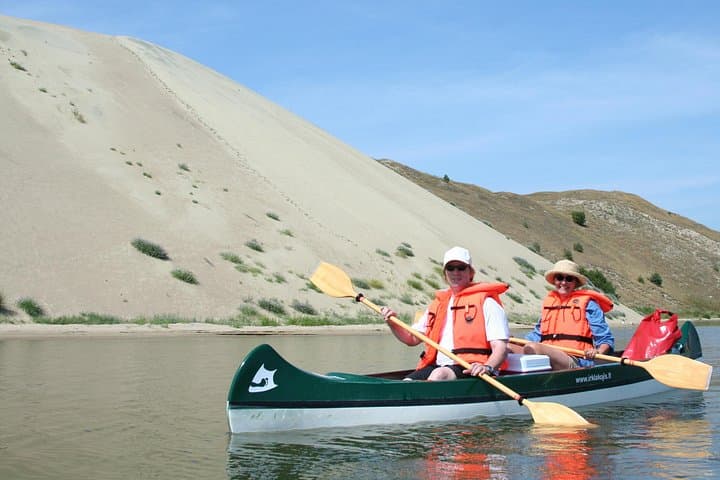
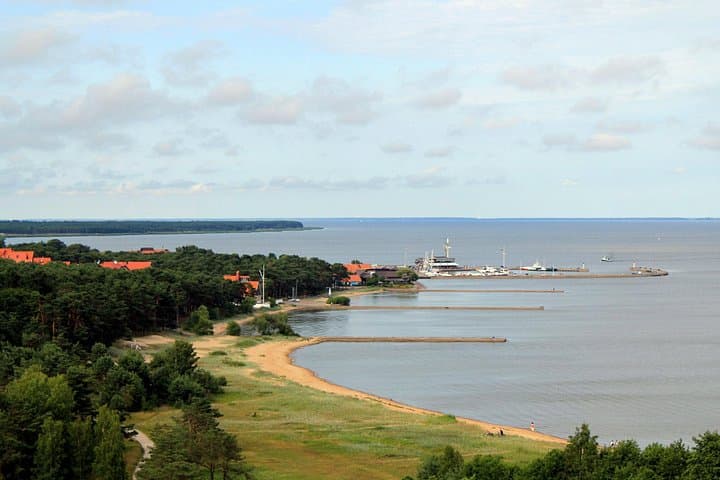
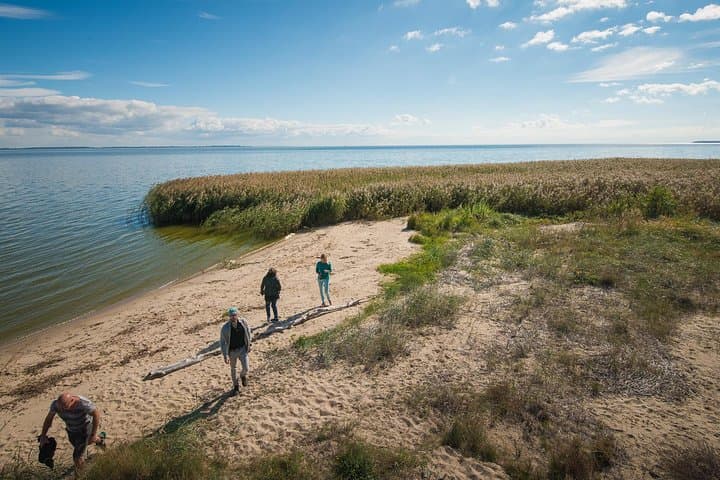
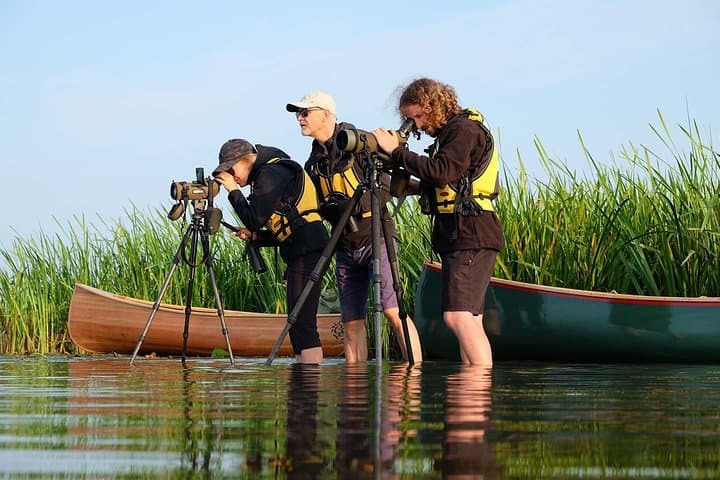
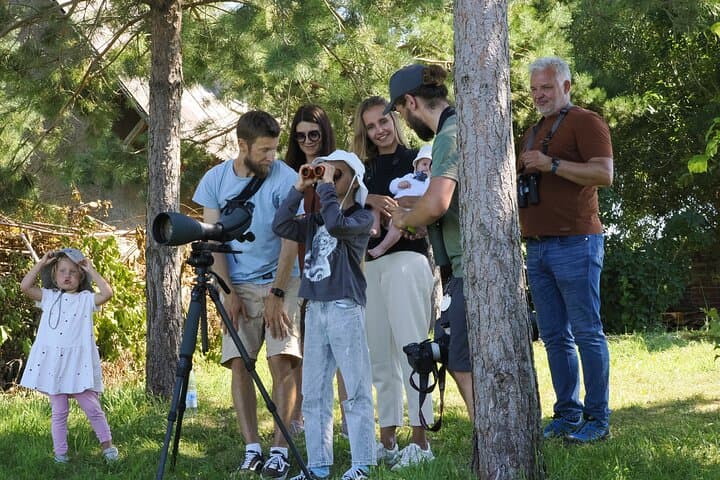
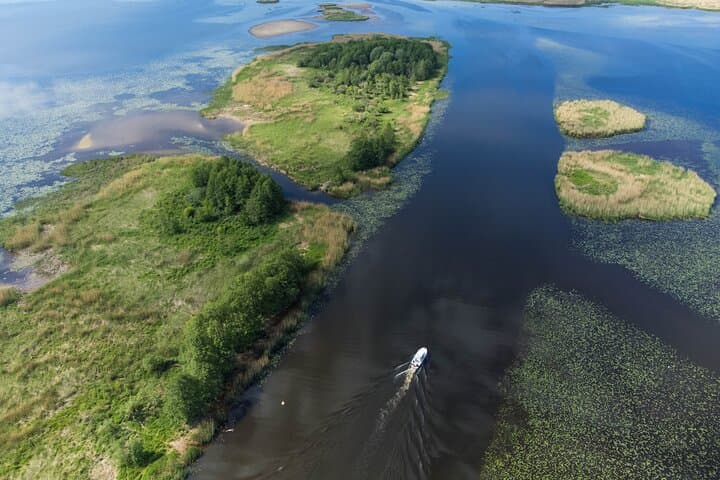
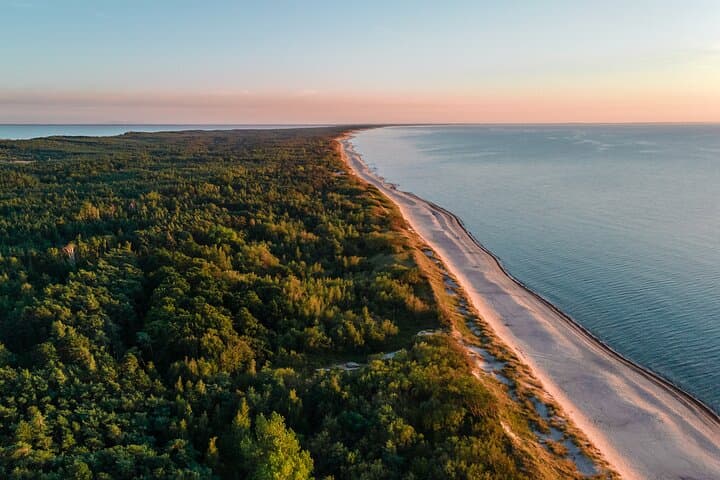
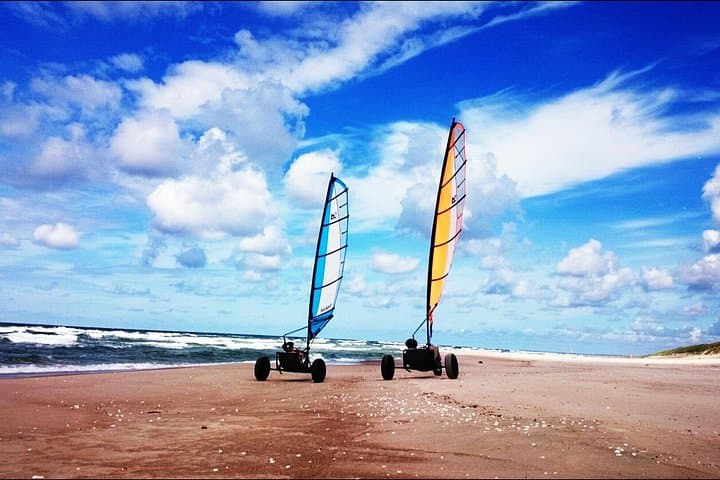
Kuršių Nerija Biosphere Reserve is a transboundary protected area shared between Lithuania and Russia’s Kaliningrad Oblast, encompassing the Curonian Spit—a narrow, 98-kilometer-long sand dune spit that separates the Curonian Lagoon from the Baltic Sea. This dynamic landform is one of the largest shifting sand dune areas in Europe, featuring impressive dunes that rise up to 60 meters in height. The reserve's geography is marked by coastal dunes, pine forests, wetlands, and lagoon ecosystems that support a diverse range of plant and animal species, including rare and endangered birds such as the white-tailed eagle and peregrine falcon. The biosphere reserve is recognized by UNESCO for its outstanding natural value, intricate human-nature relationship, and sustainable practices. Historically, the spit was inhabited by the Curonian fishermen and is dotted with old villages, traditional wooden architecture, and maritime museums that reflect the cultural heritage of the region. Visitors to Kuršių Nerija can enjoy a variety of outdoor recreation such as hiking along well-marked trails through pine and dune landscapes, cycling on dedicated paths, birdwatching, kite surfing, and beach activities. Notable landmarks include the Parnidis Dune with its panoramic views and a sundial, the Hill of Witches open-air sculpture park, and the tranquil fishing village of Nida. The area’s unique ecological and cultural importance coupled with its striking landscapes makes it a must-visit destination for nature lovers, photographers, and those interested in coastal ecology and Baltic history.