Wilderness Landscape & Natural Heritage
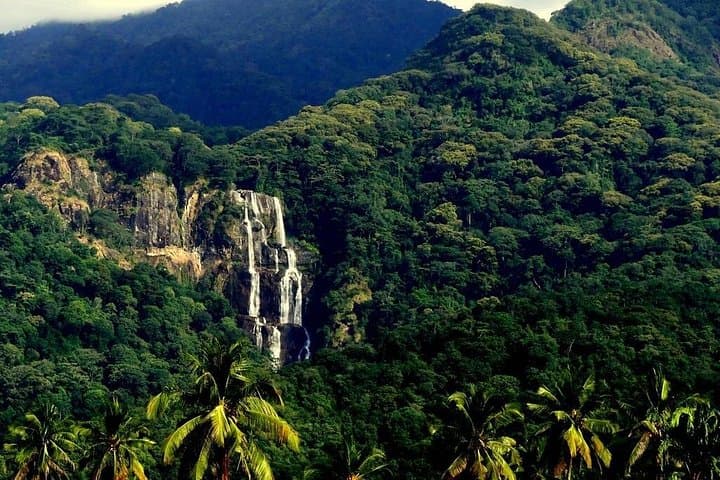
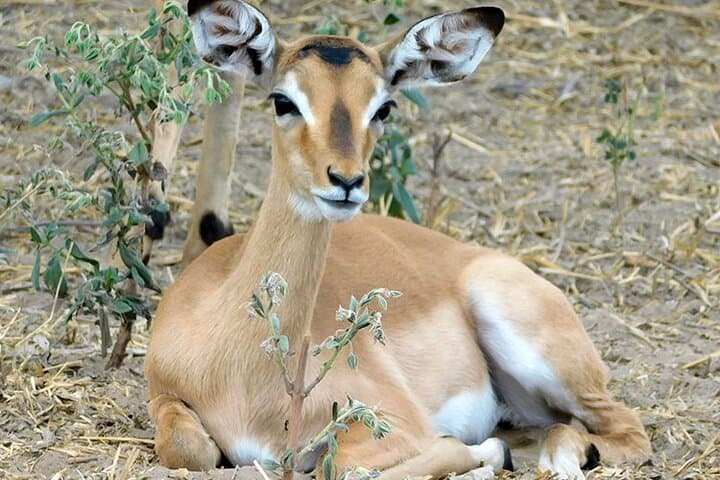
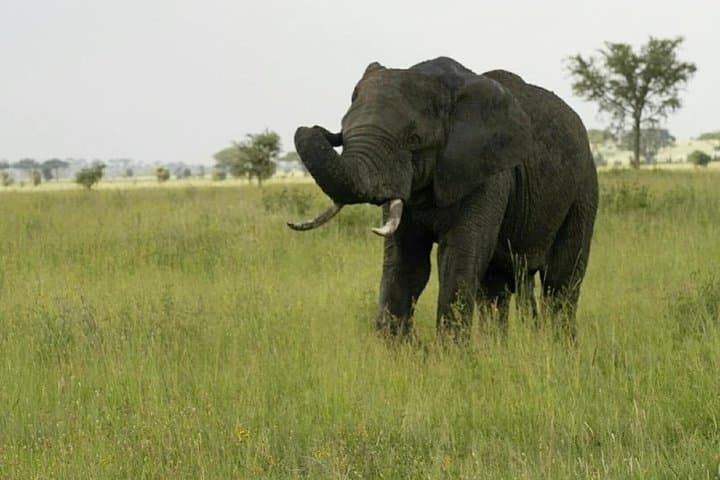
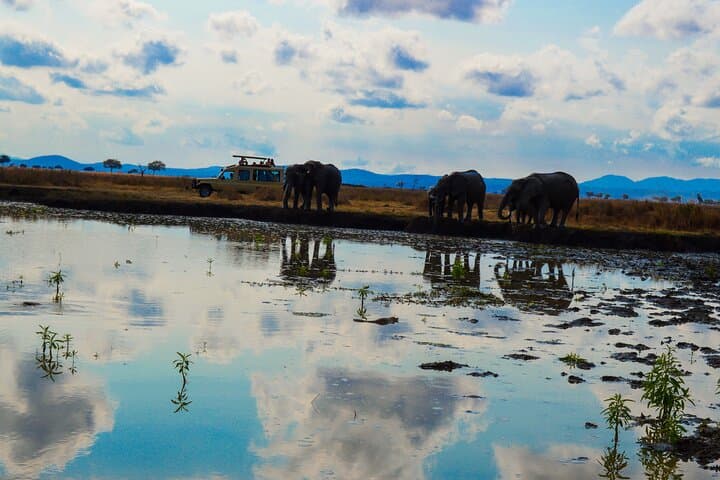
Spanning approximately 2,500 square kilometers in southeastern Tanzania's Morogoro Region, the Kilombero Valley Ramsar Site encompasses the Kilombero River floodplain and surrounding wetlands. The valley forms a dynamic habitat shaped by seasonal flooding, supporting extensive swamps, grasslands, and forests. It provides critical habitat for a rich variety of fauna including rare and endemic fish species, large mammals such as African elephants and the vulnerable Udzungwa red colobus monkeys, and over 400 species of birds. The wetlands contribute vital ecosystem services including water filtration, carbon storage, and flood control. Historically, the area has supported local communities through fishing, rice farming, and traditional hunting while remaining an important site for biodiversity conservation. Ecotourism in the valley offers immersive wildlife viewing experiences by boat or guided walks, especially for bird watchers targeting species like the shoebill stork and the vulnerable wattled crane. The region’s rich cultural diversity is also evident through local tribal practices and livelihoods connected to the floodplain. Access to the valley showcases Tanzania’s natural freshwater wetland system, contrasting with its more famous savanna parks. Visitors to Kilombero Valley are drawn to its relatively unspoiled environment, quiet wildlife encounters, and the chance to witness wild landscapes shaped by the rhythms of water and wildlife. Conservation efforts aim to balance sustainable resource use with species protection, maintaining the valley’s role as a biodiversity hotspot and vital natural resource for both people and wildlife.