Wilderness Landscape & Natural Heritage
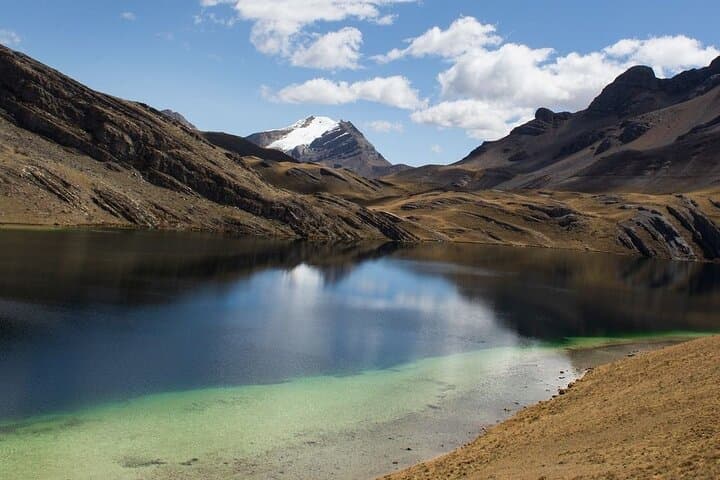
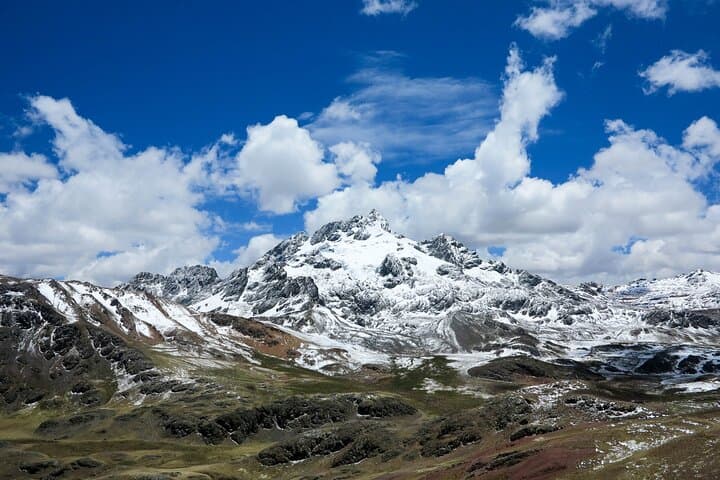
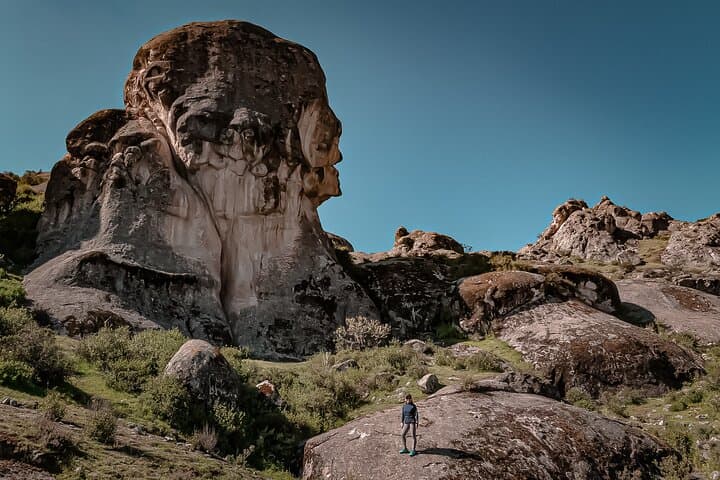
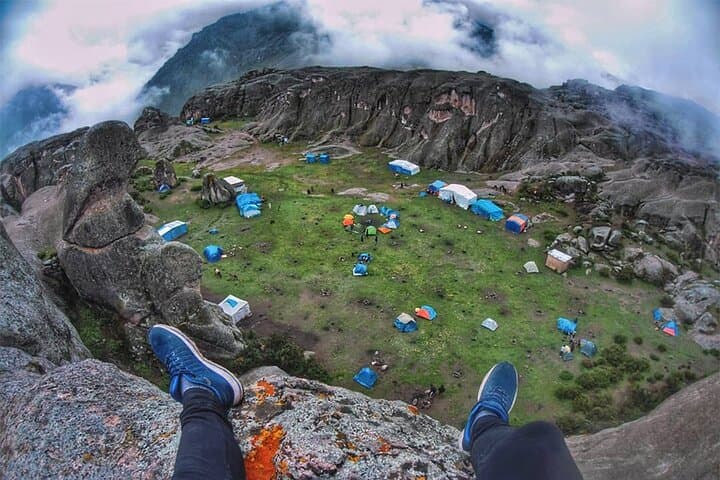
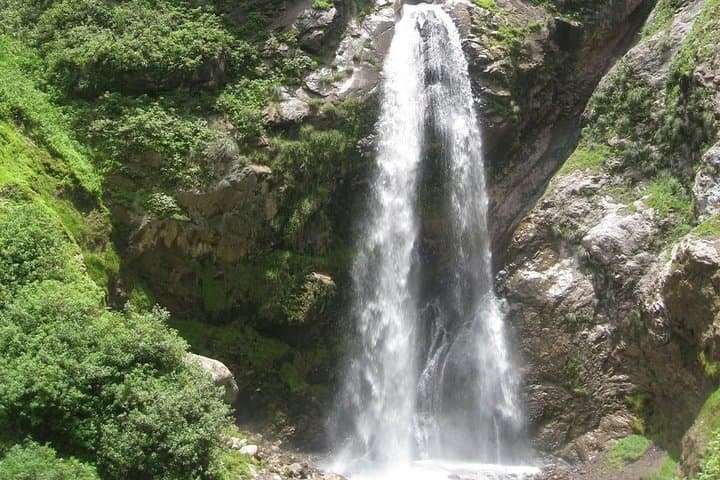
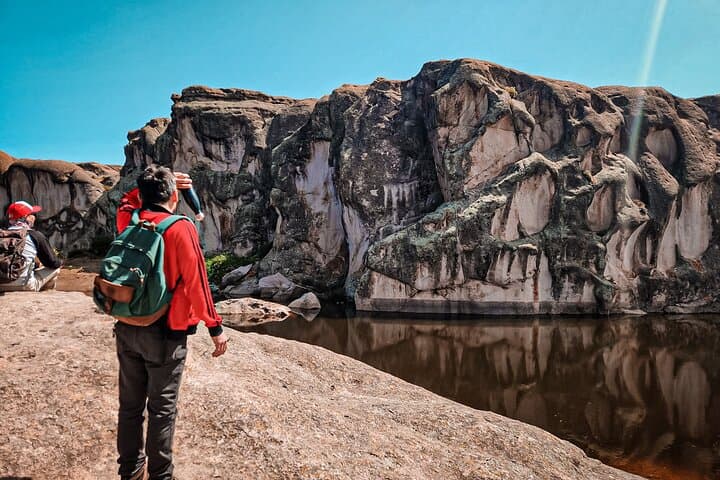
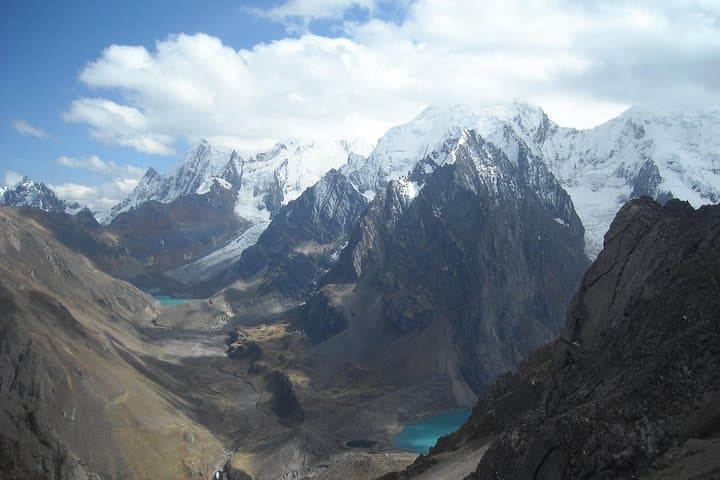
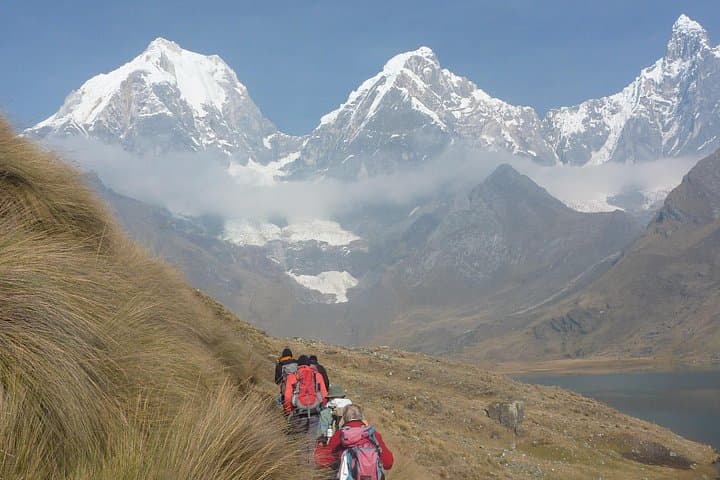
Junín National Reserve is located in the central highlands of Peru within the Junín Region, primarily encompassing a portion of the puna ecosystem at elevations above 4,000 meters (13,000 feet). The reserve covers important wetlands surrounding Lake Junín, Peru’s second largest lake, and its surrounding marshlands, peat bogs, and grasslands. These wetlands form crucial habitat for various endemic and migratory bird species, including the endangered Junín grebe (Podiceps taczanowskii) and the near-threatened Andean flamingo. The reserve also supports native mammals such as the Andean fox and the taruca deer. The landscape includes a mix of water bodies, high Andean grasslands, and mountainous terrain, with rich biodiversity adapted to the cold, oxygen-poor environment. Historically, this area has been significant to local indigenous communities and plays a key role in regional water regulation. Visitors to Junín National Reserve predominantly come for birdwatching and ecological research. The reserve offers trails and viewpoints for observing wildlife and natural scenery, though infrastructure and tourism services remain modest compared to larger parks. It is also recognized for its role in the conservation of endangered aquatic birds and the preservation of fragile peat ecosystems. Ecotourism and educational visits are encouraged under strict environmental management. The reserve is a vital refuge for species unique to the high Andes and stands as an important conservation area in Peru's network of protected wetlands.