Wilderness Landscape & Natural Heritage
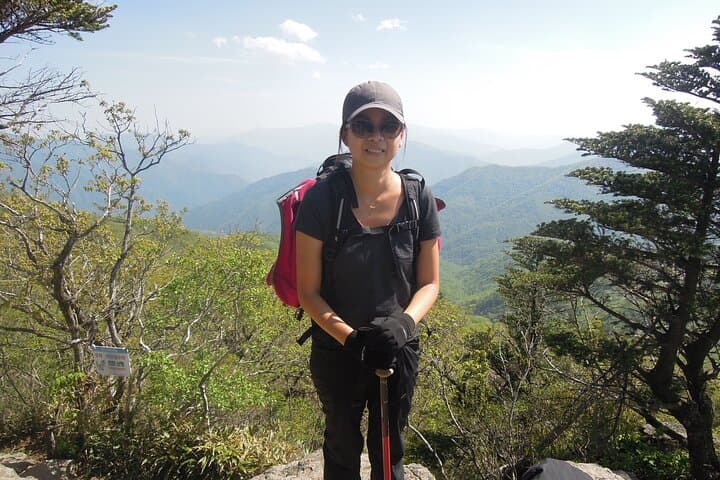
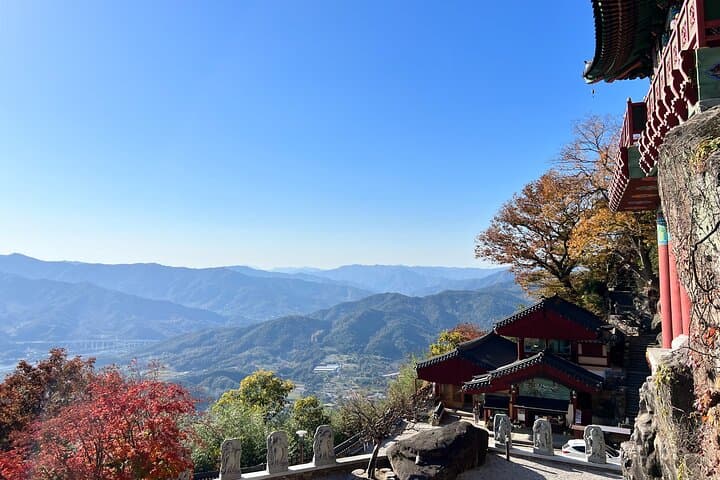
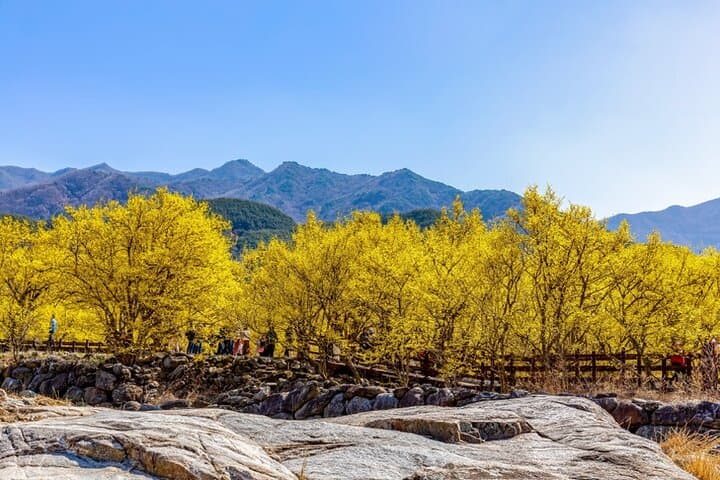
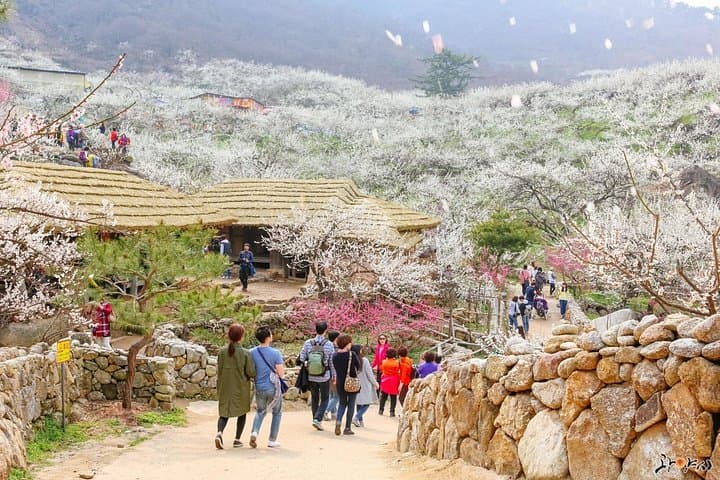
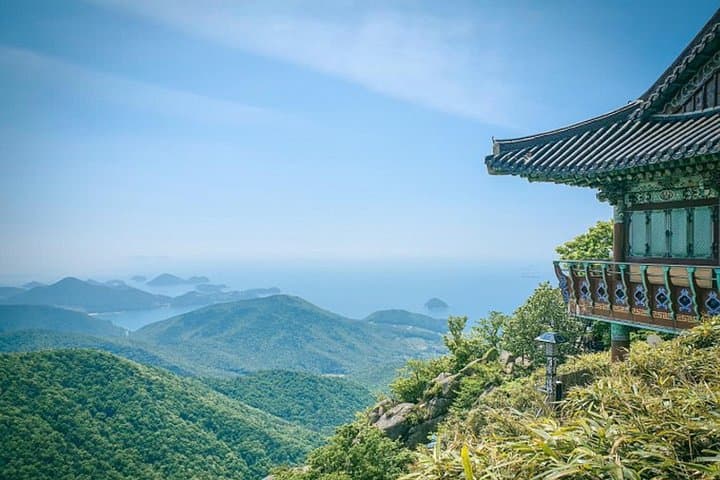
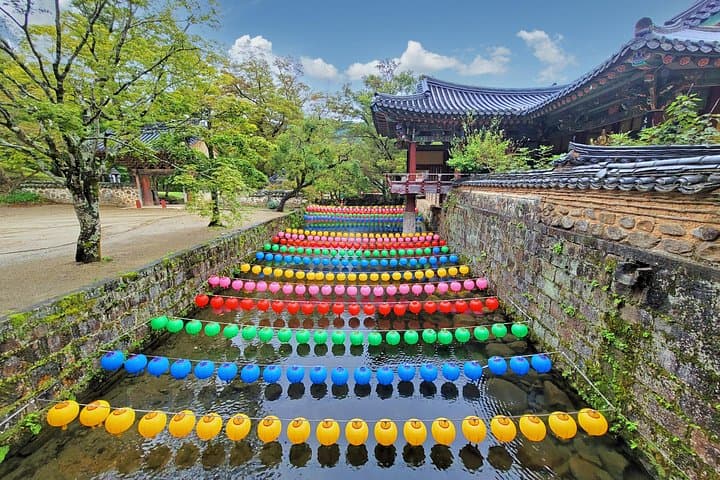
The adjacent region surrounding Jirisan National Park encompasses the rugged and biologically diverse areas that border South Korea's first and largest national park. This region extends across multiple provinces, including South Jeolla, North Jeolla, and South Gyeongsang, characterized by steep mountain ridges, deep valleys, and a complex network of streams and rivers feeding into the park’s core. The climate varies from temperate to alpine zones at high elevations, supporting a rich tapestry of flora such as Korean fir, hemlock, and diverse wildflowers, as well as fauna including Asiatic black bears, musk deer, and rare bird species. Historically, the adjacent areas have been home to traditional Korean mountain temples, including hermitages and Buddhist cultural sites, preserving centuries-old mountain spiritual practices. Recreation opportunities abound with extensive hiking trails, mountain biking routes, and traditional villages offering cultural immersion. Visitors often use the adjacent region as gateway points for treks into Jirisan’s core, while also exploring less crowded paths and seasonal wildflower blooms in spring and colorful foliage in autumn. The nearby valleys host several hot springs and small reservoirs enhancing the visitor experience. The area appeals to outdoor enthusiasts seeking a blend of natural beauty, cultural heritage, and rugged mountain exploration just outside the formal park boundary.