Wilderness Landscape & Natural Heritage
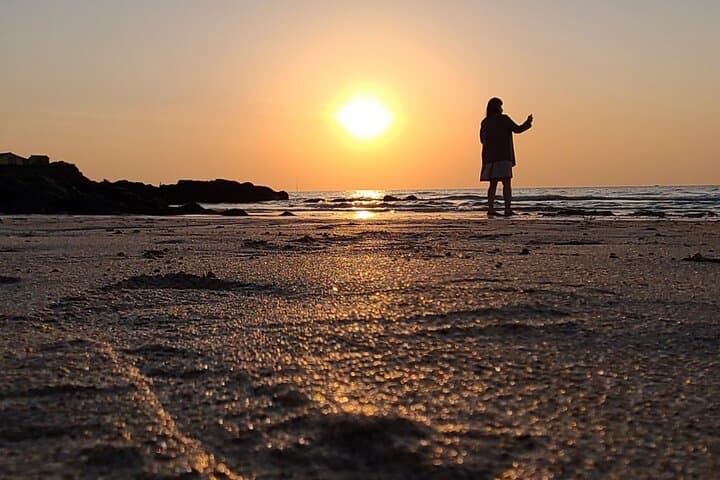
The Jindo Tidal Flat Wetlands Protected Area, located along the southwestern coast of South Korea in South Jeolla Province, is one of the largest tidal flat ecosystems in East Asia. These tidal flats are formed by sediment deposits and tidal action, creating expansive mudflats that are periodically submerged and exposed with the tides. The area includes extensive mudflats, salt marshes, and shallow subtidal zones, which serve as crucial feeding and breeding grounds for a diversity of species.
Ecologically, the tidal flats support a wide range of marine invertebrates, fishes, and migratory shorebirds, including endangered and protected species such as the Far Eastern curlew and the spoon-billed sandpiper. The wetlands present a rich environment for biodiversity and have been internationally recognized under the Ramsar Convention as a wetland of global importance.
Historically, Jindo’s tidal flats have supported local fishing and aquaculture communities for centuries and are central to regional culture and economy. The flats also serve as an important natural buffer protecting coastal regions from storm surges and erosion.
Outdoor recreation in the area focuses primarily on nature observation and eco-tourism, with guided birdwatching tours during migratory seasons being a popular activity. Visitors can explore designated walking paths along the coastal areas and access observation platforms that provide panoramic views of the tidal flats and abundant wildlife.
The area’s dynamic landscape changes dramatically with the tides, providing a unique natural spectacle. Its tranquility, expansive vistas, and abundant wildlife make it a sought-after destination for photographers, naturalists, and conservationists. Efforts to maintain the health of the wetlands have resulted in management plans balancing human activity with habitat preservation.