Wilderness Landscape & Natural Heritage
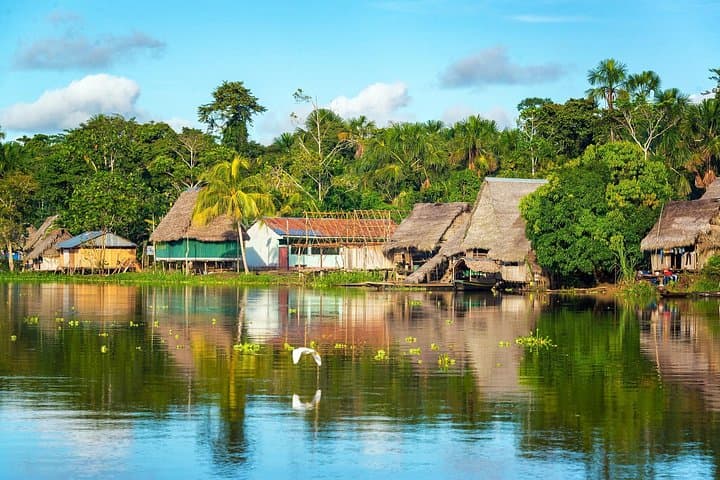
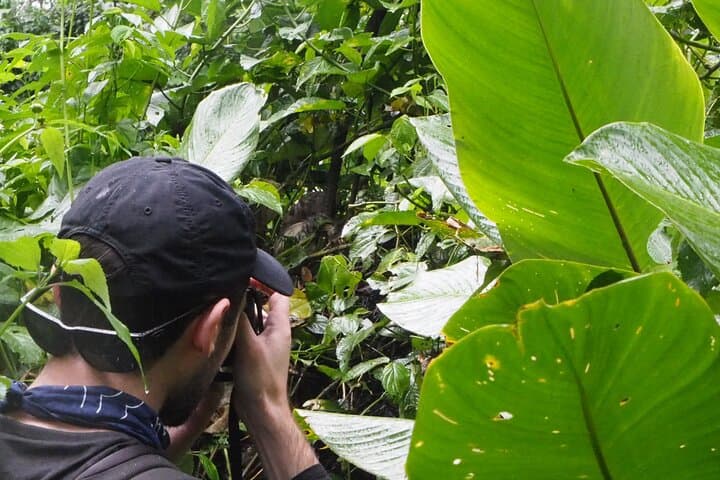
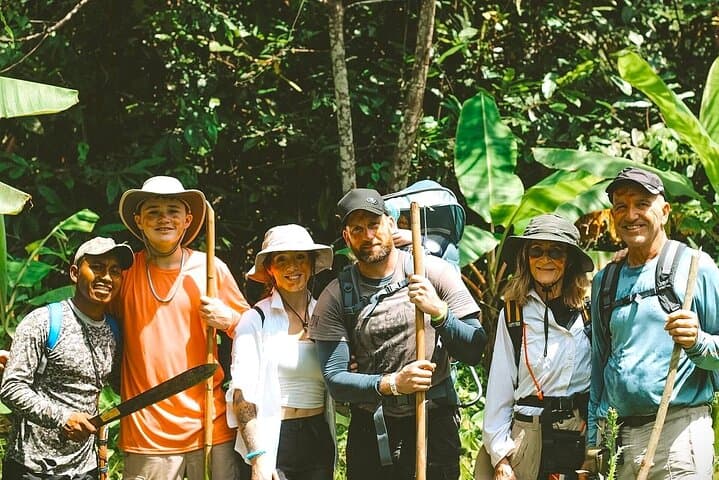
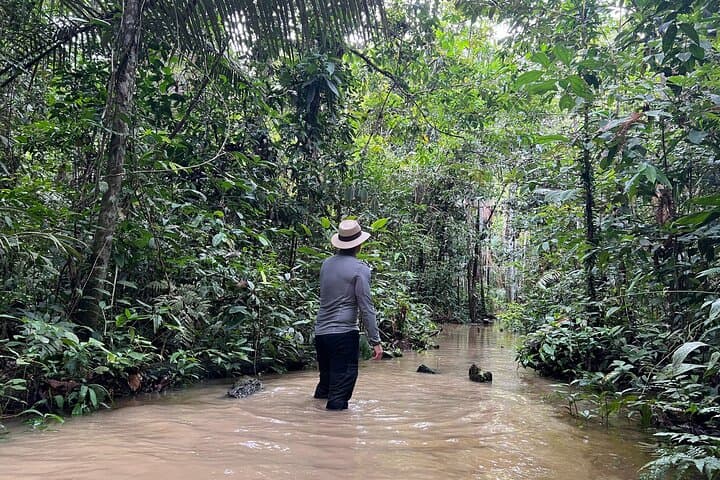
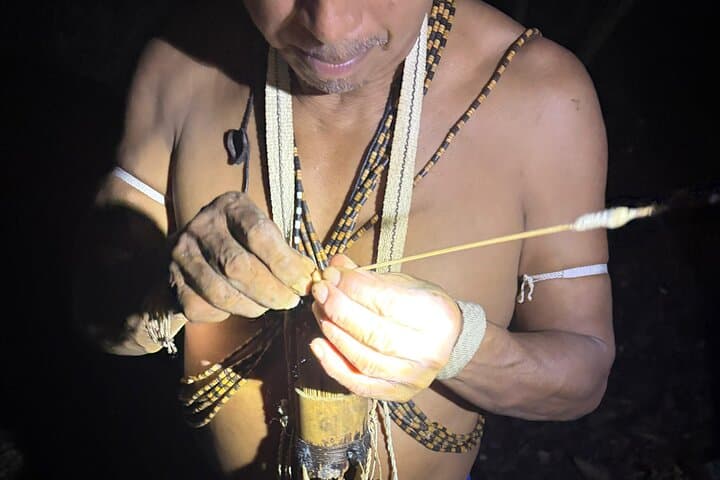
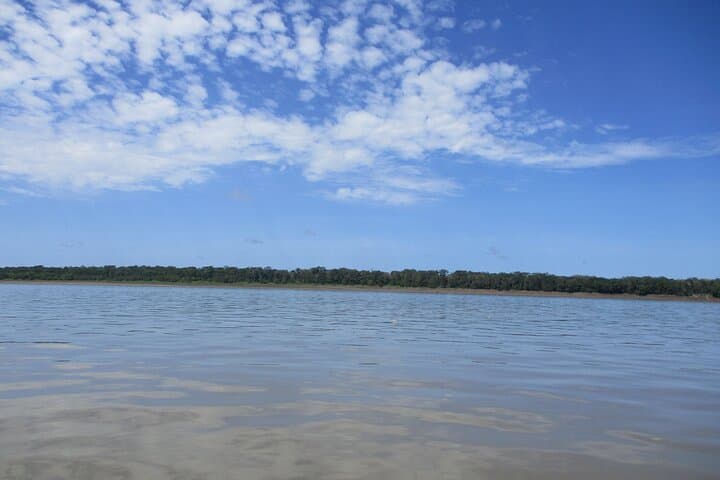
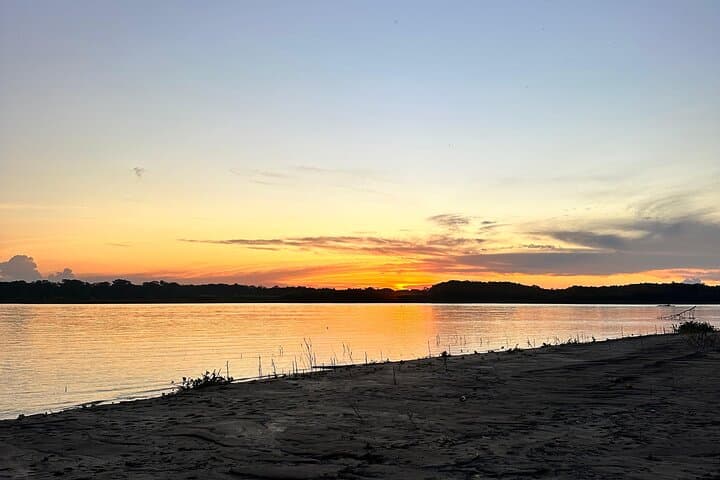
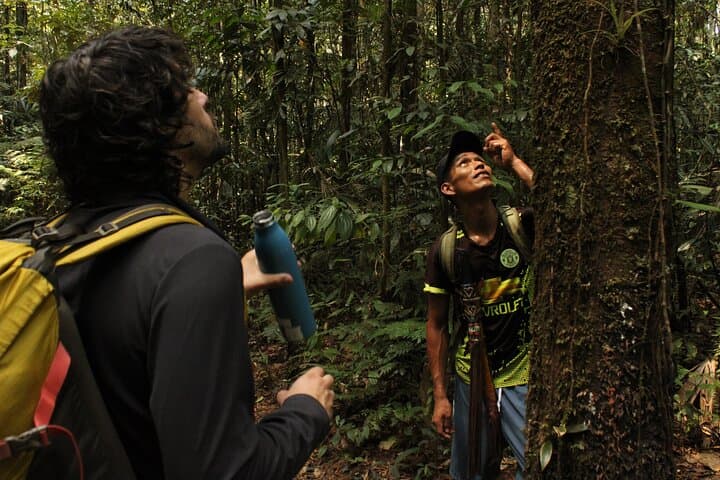
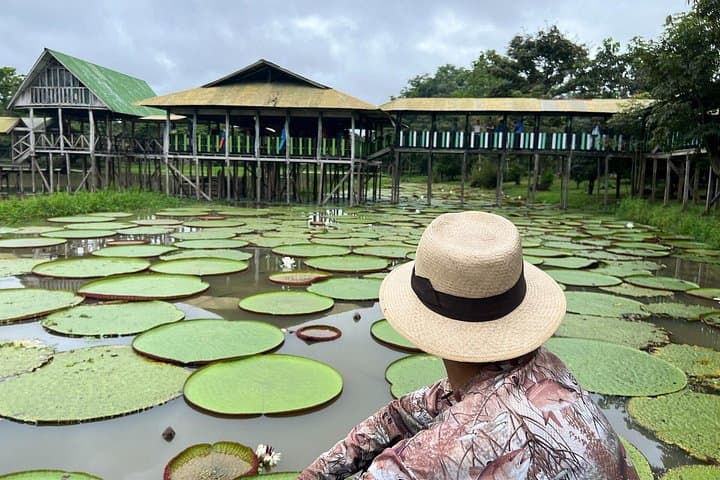
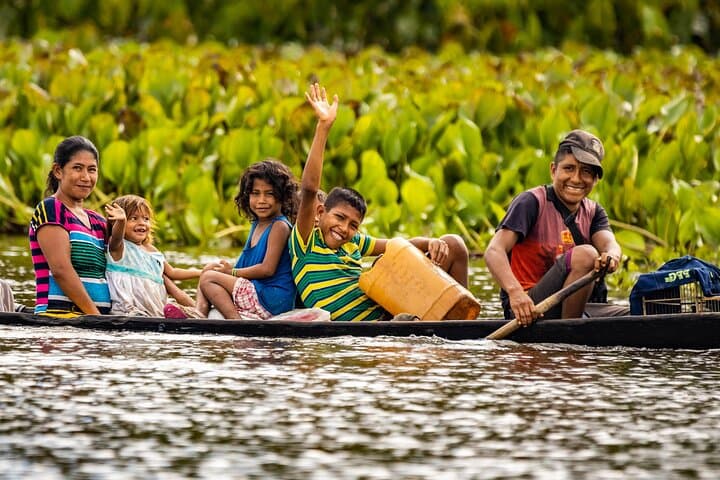
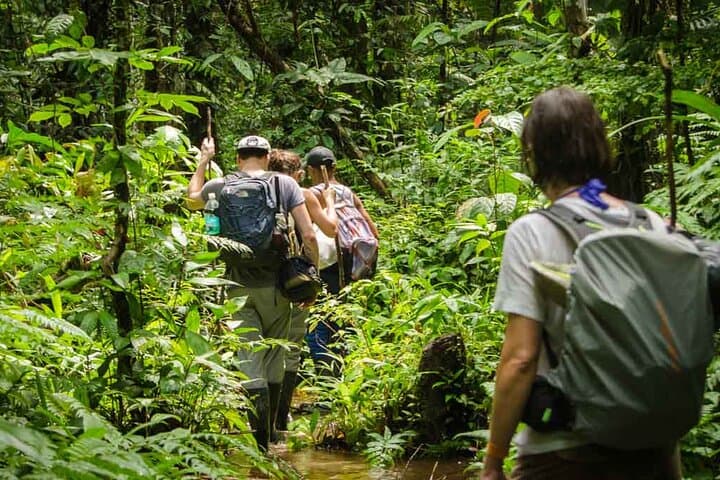
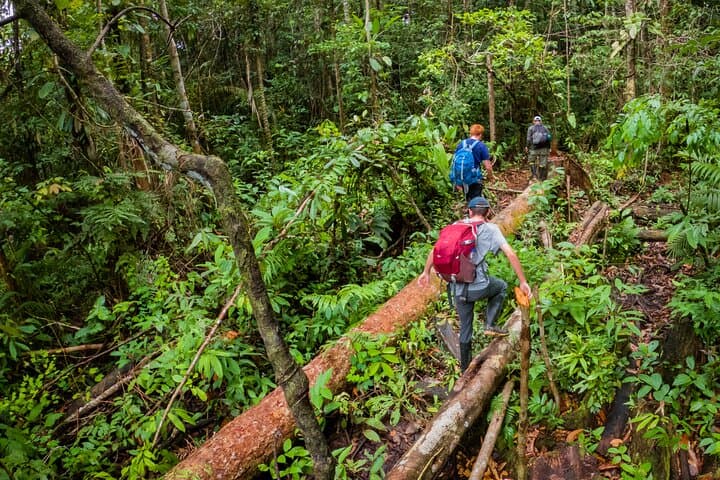
The Javari Valley Indigenous Territory, located in the western Amazon region of Brazil along the Javari River bordering Peru, spans over 8 million acres of pristine rainforest that is home to dozens of indigenous groups, including uncontacted tribes. The territory is characterized by dense tropical forests, a vast network of rivers and tributaries, and extraordinary biodiversity, hosting countless endemic plant and animal species. Established officially in 1998, it aims to protect the indigenous peoples’ rights and preserve their traditional way of life within an intact Amazon ecosystem. Access to the area is extremely limited, making it one of the most remote and least disturbed regions on Earth. Visitors to the Javari Valley, typically researchers or authorized personnel, experience dense jungle trekking, river travel by canoe, and wildlife observation amidst one of the most biologically rich areas in the world. This region supports jaguars, spider monkeys, giant river otters, numerous bird species, and rare aquatic life. The Javari River itself is a significant waterway for local indigenous communities and offers a dynamic setting for paddling and fishing. Cultural tourism is highly regulated and respectful of indigenous sovereignty, allowing insight into long-standing Amazonian cultures that maintain subsistence fishing, hunting, and forest use. The Javari Valley appeals most to experienced adventurers, anthropologists, and conservationists seeking unparalleled wilderness and cultural heritage preserved by stringent protections and remoteness.