Wilderness Landscape & Natural Heritage
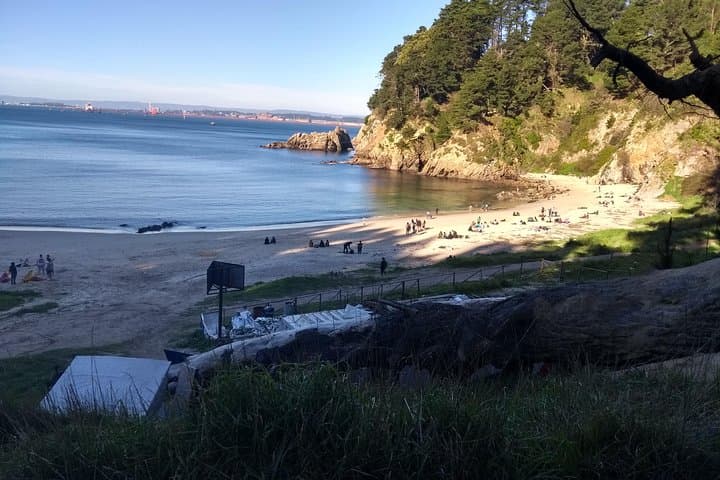
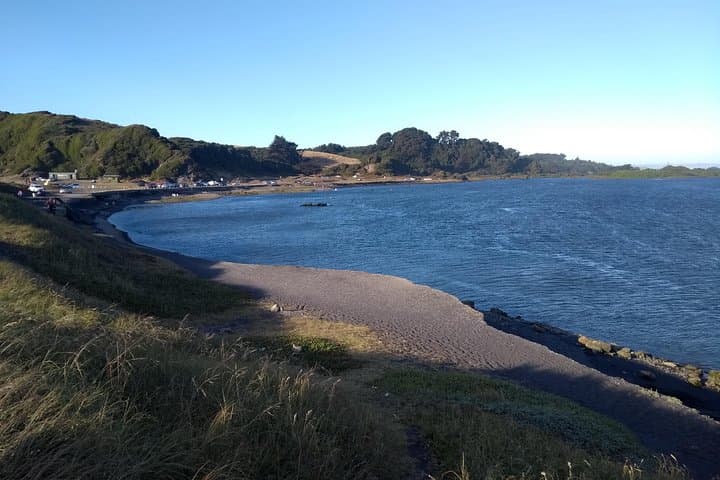
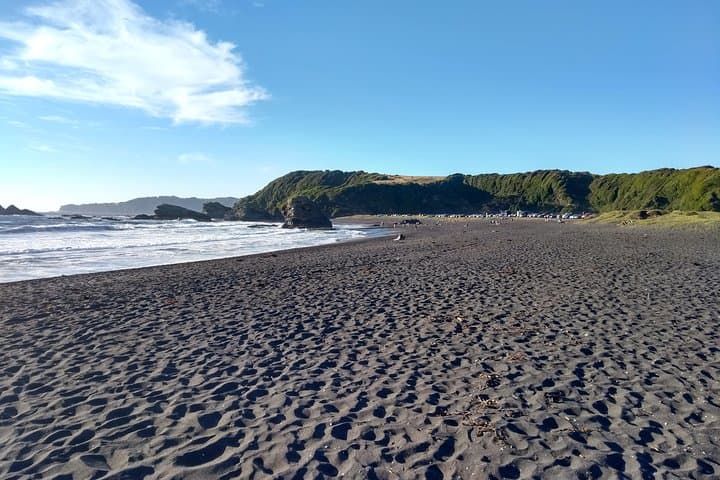
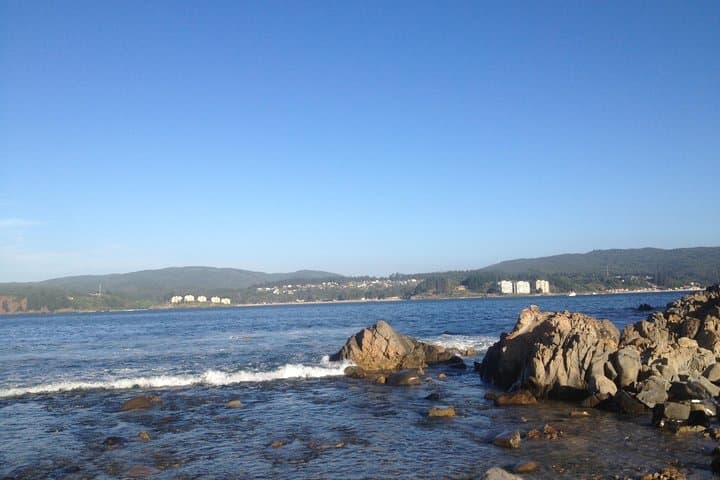
Located on the Hualpén Peninsula in the Biobío Region of Chile, Hualpén Natural Park encompasses approximately 23 square kilometers of protected coastal and forested landscapes. The park's geography features rocky cliffs, hidden coves, sandy beaches, and steep hills that rise abruptly from the Pacific Ocean, creating dramatic vistas and habitat diversity. The park preserves a significant remnant of Chile's coastal Mediterranean ecosystem, characterized by a variety of native flora including maqui, boldo, and litre trees, as well as endangered wildlife such as the pudú (the world's smallest deer) and numerous bird species including seabirds and raptors. Historically, the area has been shaped by indigenous Mapuche presence and later Spanish colonization, with archeological sites and cultural traces found within the park boundaries. Visitors are drawn to Hualpén Natural Park for its extensive trail system that links coastal lookout points and forested hills, providing opportunities for hiking, birdwatching, and mountain biking. Notable landmarks include the Mirador de Hualpén, which offers sweeping views of Concepción Bay and the Pacific Ocean, and the secluded Playa Blanca cove. The park’s proximity to the urban center of Concepción makes it a popular natural refuge offering easy access to outdoor adventure amid diverse terrain. Its unique blend of coastal and forest ecosystems, combined with cultural heritage and recreational appeal, make Hualpén Natural Park a prized natural area in southern Chile.