Wilderness Landscape & Natural Heritage
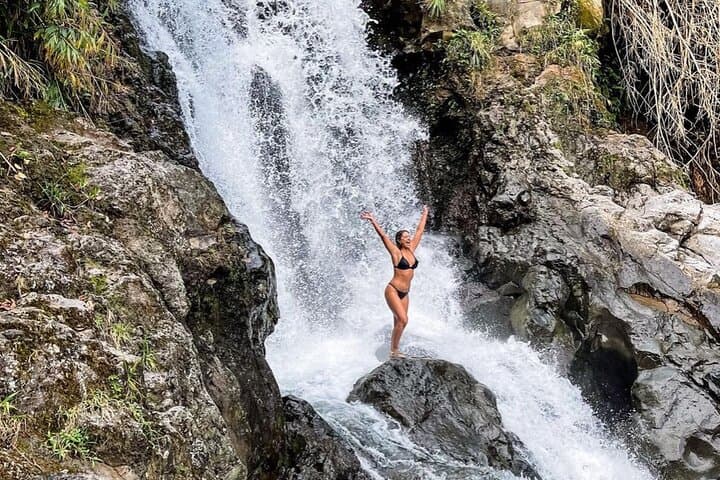
The Kipahulu District, located on the southeastern coast of Maui, is a distinct unit of Hawai‘i Volcanoes National Park that highlights the island’s diverse ecosystems and rich cultural heritage. Unlike the main park on Hawai‘i Island, this district features verdant rainforests, rugged coastline, and fresh water streams descending from Haleakalā's slopes. The area is dominated by ʻOheʻo Gulch, a series of cascading pools commonly known as the Seven Sacred Pools, which are fed by waterfalls and create natural swimming holes. The Kipahulu District showcases native Hawaiian flora and fauna within its coastal and montane rainforest habitats, including native ʻōhiʻa lehua, koa trees, and endemic bird species. The region also holds deep cultural significance, with ancient Hawaiian agricultural terraces, fishponds, and historic lo'i (taro patches) demonstrating sustainable land practices and connections to traditional life. Visitors are drawn to the gentle but scenic Pipiwai Trail, which leads through bamboo forests, past dramatic waterfalls like Waimoku Falls, and ends near the Pools. Additionally, the district provides important refuge for native wildlife and plant species, preserving biodiversity amid increasing development on Maui. The remote location ensures a quieter, more intimate park experience with opportunities for birdwatching, photography, and exploration of coastal features such as lava outcrops and tide pools. Overall, the Kipahulu District combines natural beauty with historical context, making it a vital part of Hawai‘i Volcanoes National Park’s offerings and a must-visit for visitors seeking to experience Maui’s wet side landscapes and native Hawaiian history.