Wilderness Landscape & Natural Heritage
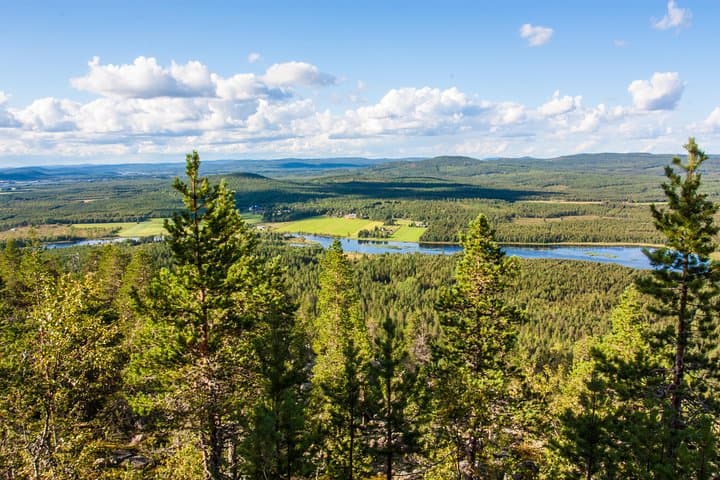
Established in 1991, Haparanda-Tornio Archipelago National Park encompasses approximately 52 square kilometers of islands, reefs, and shallow waters in the northernmost part of the Baltic Sea, near the Finland-Sweden border. The park is characterized by flat, sandy, and moraine islands intertwined with open sea passages, creating a dynamic coastal landscape shaped by post-glacial rebound. Its geography supports an extensive archipelago with over 650 islands and skerries, some only accessible by boat. The park hosts diverse habitats, including dune areas, lush meadows, and boreal forests, that support rich flora and fauna. It is renowned for its abundant and diverse bird populations, acting as a critical breeding ground for species such as the black guillemot, common eider, Arctic tern, and various migrating waterfowl. Marine life includes seals and a variety of fish species that attract anglers. Outdoor activities focus largely on kayaking, boating, hiking, birdwatching, and nature photography, with visitors drawn by the peaceful surroundings and opportunities for solitude. The park provides several marked trails on the larger islands and designated camping areas, while motorized traffic is limited to protect the environment. Historical salmon fishing villages and remnants of old pilot stations can be explored, adding cultural interest to the pristine natural setting. The park is a destination for those seeking a quiet wilderness experience in a unique sub-Arctic coastal ecosystem.