Wilderness Landscape & Natural Heritage
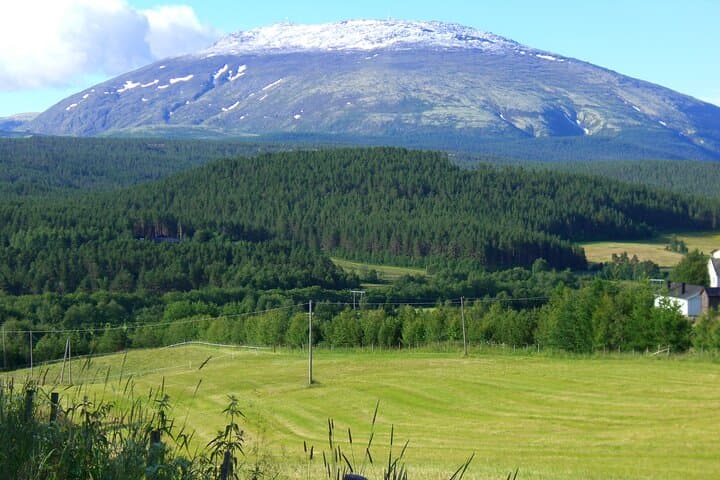
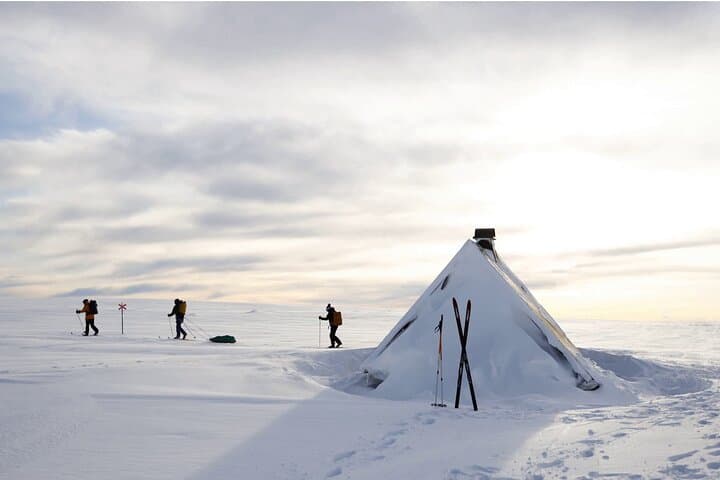
Forollhogna National Park, established in 2001, spans the border of Trøndelag and Innlandet counties in central Norway. The park covers an area characterized by broad, gentle alpine plateaus surrounded by dramatic peaks, making it one of the largest preserved wild reindeer habitats in Europe. The park’s name derives from the mountain massif Forollhogna, whose highest summit reaches 1,332 meters (4,373 feet). The landscape features expansive mountain plains, large wetlands, and numerous lakes, providing essential habitat for wild reindeer herds and a variety of alpine flora and fauna. Traditional Norwegian mountain farming and seasonal reindeer grazing continue to be important cultural aspects within the park, with local Sami communities maintaining their heritage of semi-domesticated reindeer herding. Recreation opportunities in Forollhogna National Park mainly include hiking on well-marked trails ranging from easy to challenging, wildlife watching—especially of wild reindeer and birds—fishing in clear mountain streams, and snowshoeing or cross-country skiing in winter. The park is prized for its tranquility and lack of mass tourism, attracting visitors who seek solitude and deep nature encounters. Key landmarks include the summits of Forollhogna and a number of rewarding panoramic viewpoints where hikers can observe the rolling tundra landscape. The park’s access points are generally rural and less developed, preserving its remote character yet offering comfortable mountain lodges and traditional cabins for overnight stays. Forollhogna’s ecological and cultural values have been recognized internationally, making it a vital example of sustainable mountain conservation in Norway.