Wilderness Landscape & Natural Heritage
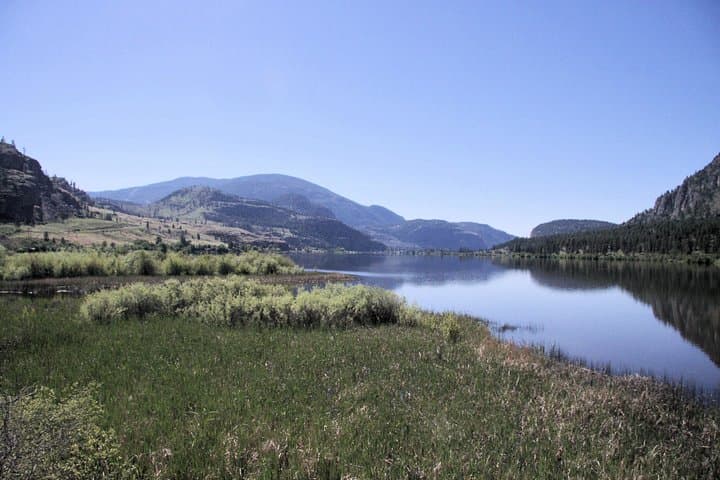
E.C. Manning Provincial Park spans approximately 97,800 acres in the North Cascades region of southern British Columbia. Established in 1941, the park protects a dramatic range of ecosystems including subalpine meadows, alpine ridges, old-growth forests, and glacier-fed lakes. It lies along the international boundary with Washington State and features the notable Cascade Mountains, offering panoramic mountain views and abundant wildlife habitat. The park is named after Ernest Callaway Manning, a former provincial forest minister. Recreational opportunities abound, including an extensive network of over 120 miles of maintained hiking trails that range from gentle valley walks to challenging high-elevation routes. Popular activities include camping, mountain biking, snowshoeing, cross-country skiing, fishing, and horseback riding. Iconic sites within the park include Lightning Lake — a year-round scenic destination — and the challenging St. Mark’s Summit which rewards visitors with sweeping vistas. The park's diversity supports species such as black bears, mountain goats, and numerous bird species, making it a favored destination for wildlife enthusiasts and photographers. Visitors appreciate the combination of accessible trailheads and remote wilderness experiences. Several campgrounds, including Lightning Lake Campground and Three Forks Campground, provide well-maintained facilities, some offering reservations. The park also plays an important role in regional conservation efforts, maintaining habitats that connect to protected areas across the Canada-US border. E.C. Manning Provincial Park remains a prominent hub for outdoor activity and natural heritage in British Columbia's southern interior.