Wilderness Landscape & Natural Heritage
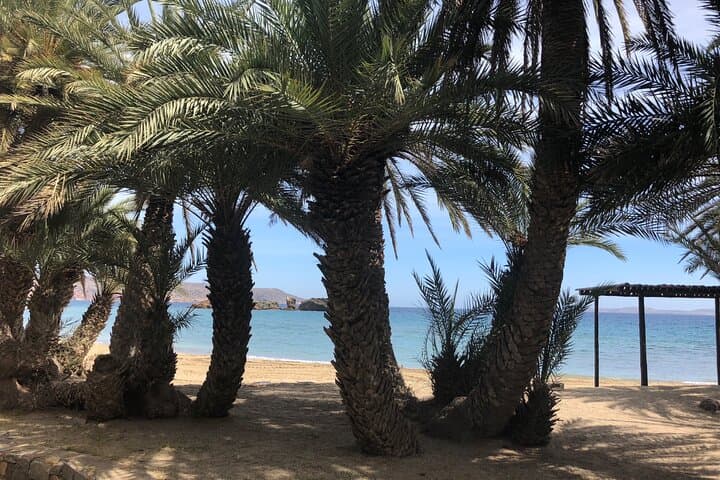
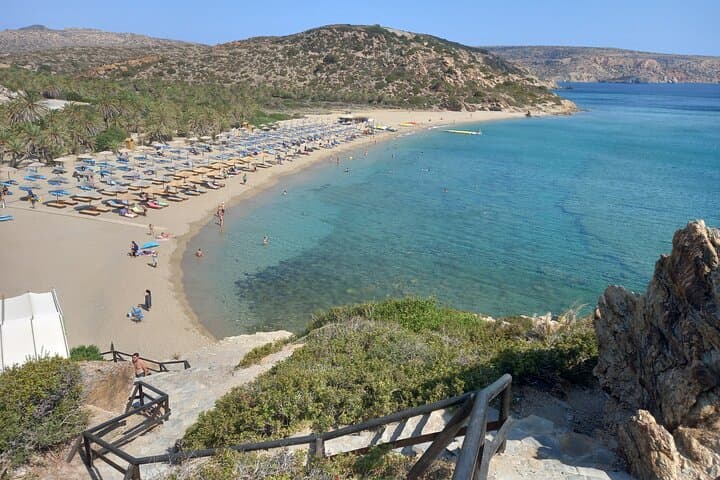
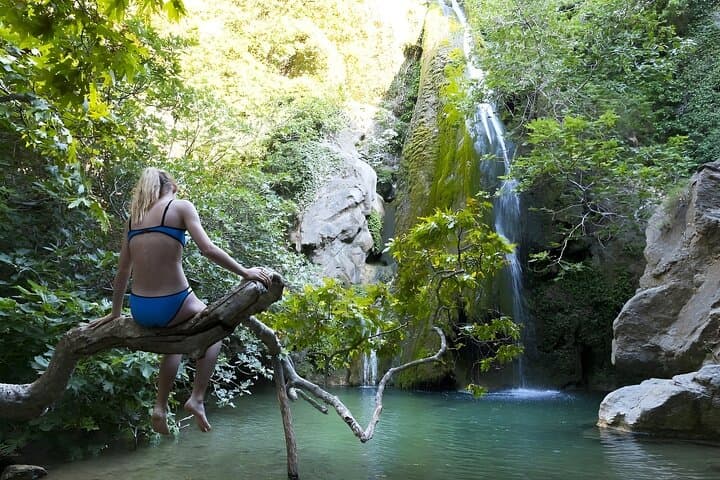
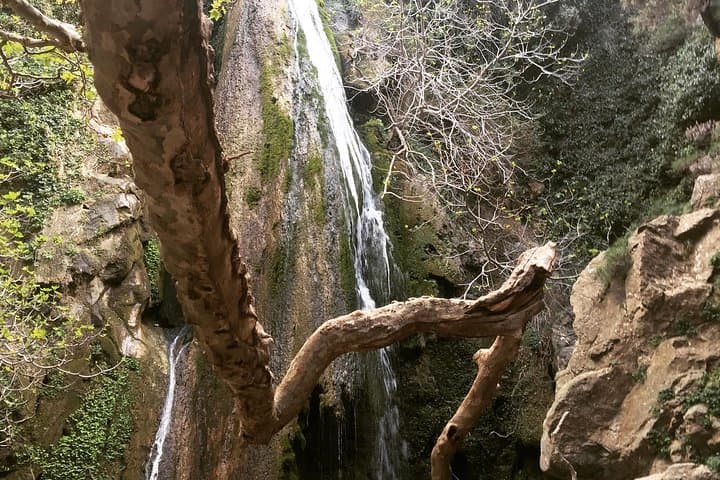
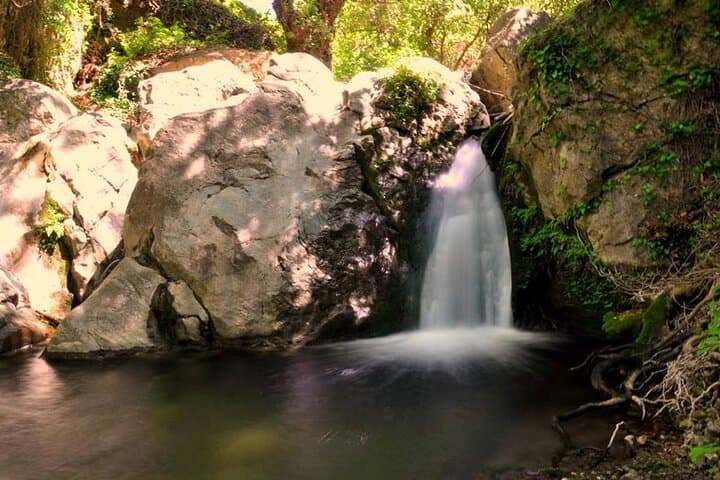
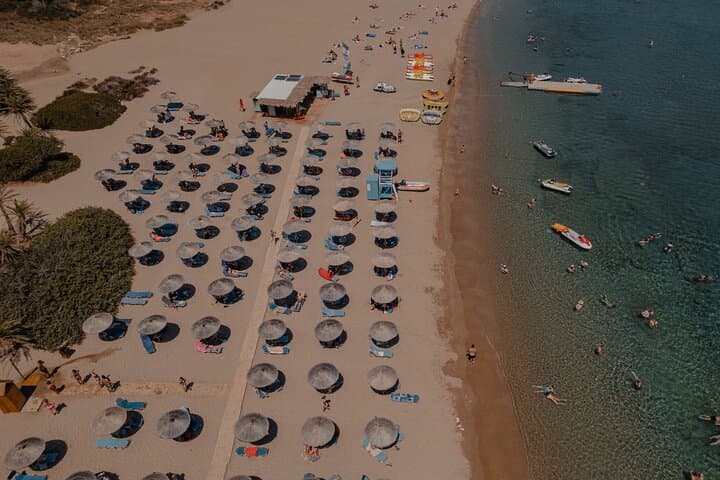
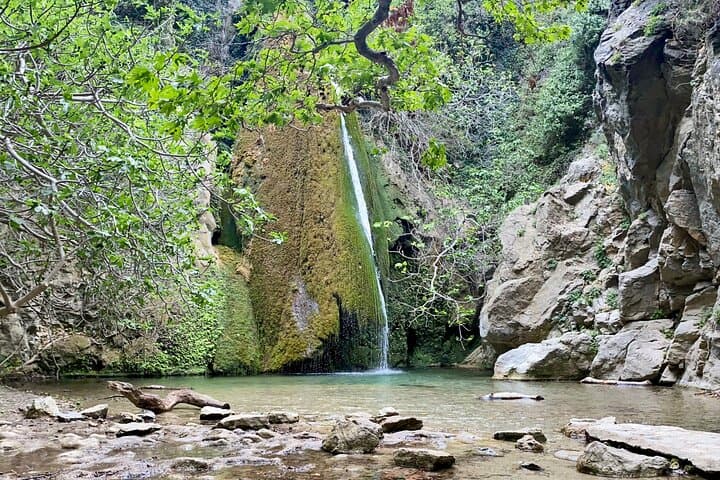
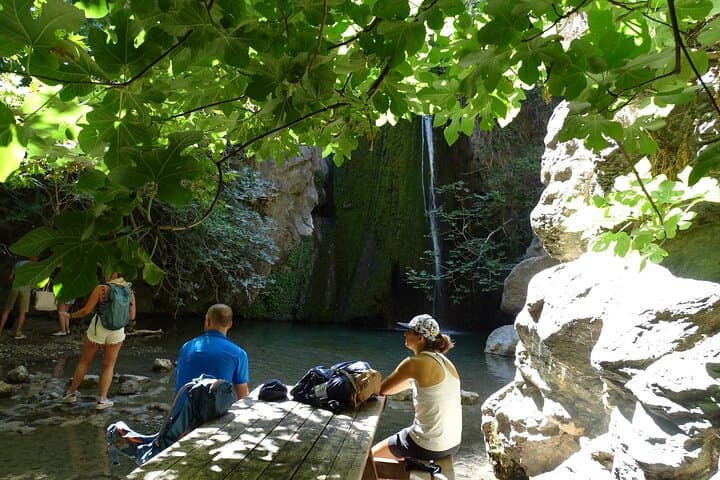
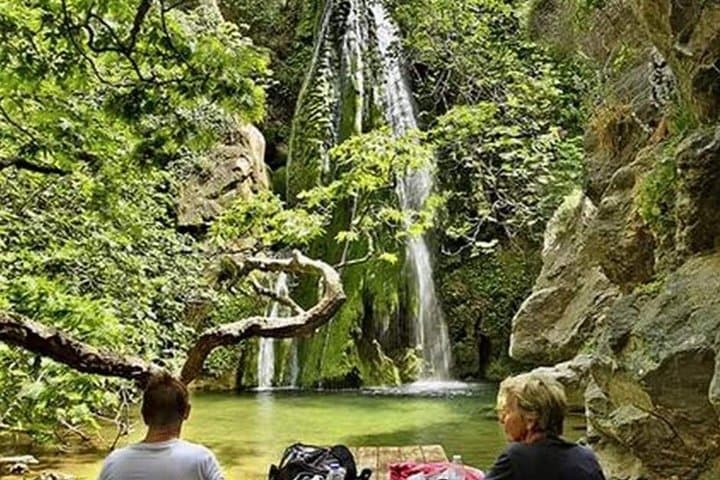
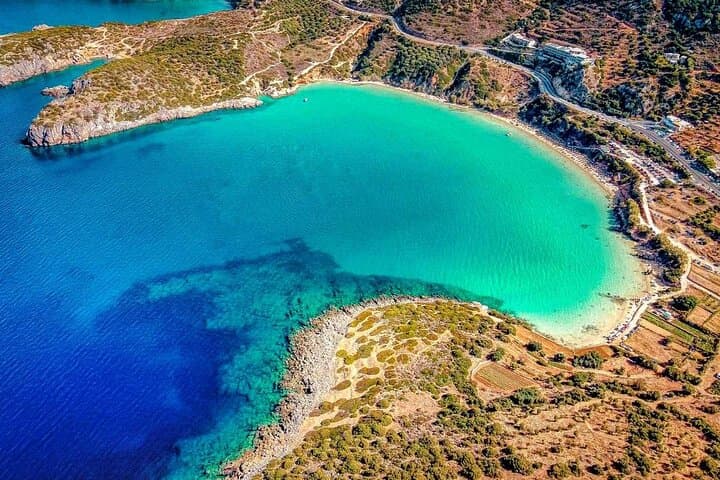
The Eastern Crete Natura 2000 Network encompasses a series of protected sites in the eastern region of Crete, Greece, established under the European Union's Natura 2000 conservation program. This network aims to safeguard valuable ecosystems including coastal cliffs, gorges, forests, wetlands, and marine habitats. The region’s geography is characterized by a rugged coastline along the Libyan Sea, steep mountains like the Dikti range, and fertile valleys. The area hosts a variety of habitats, such as maquis shrubland, phrygana, pine forests, and riparian zones, which support rich biodiversity including endemic plants, rare bird species like Eleonora’s falcon, and endangered reptiles. Historically, Eastern Crete has archaeological significance with sites that reflect its Minoan and Byzantine past, though the area remains relatively undeveloped, allowing extensive wildlife viewing and natural exploration. Outdoor enthusiasts can enjoy hiking through gorges such as the Ha Gorge and Richtis Gorge, swimming in secluded beaches, and birdwatching in protected wetlands. Special attention is given to protecting critical habitats for migratory birds and species of European interest. Visitor appeal lies in the combination of natural beauty, cultural landmarks, and low-density tourism, offering a more tranquil outdoor experience compared to other parts of the island. The network supports sustainable tourism initiatives that aim to balance human activity with environmental preservation. Trails range from coastal paths to mountainous routes, suitable for moderate to experienced hikers, while marine zones allow for snorkeling and paddle sports. Visitor infrastructure is limited but growing, with some educational signage and small local visitor centers providing information related to Natura 2000 objectives.