Wilderness Landscape & Natural Heritage
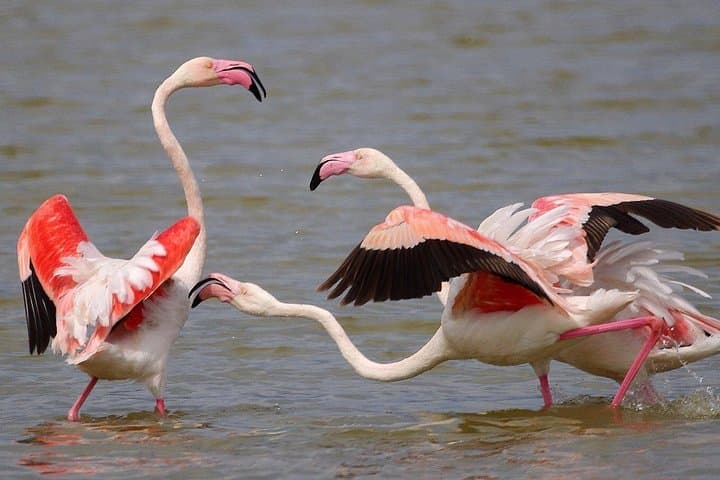
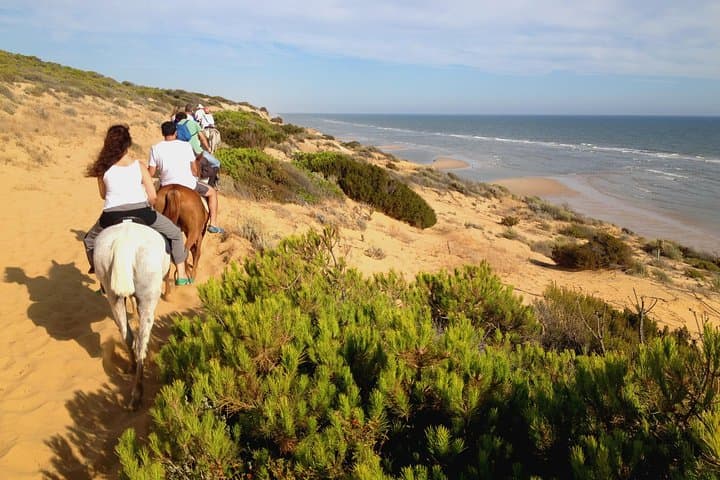
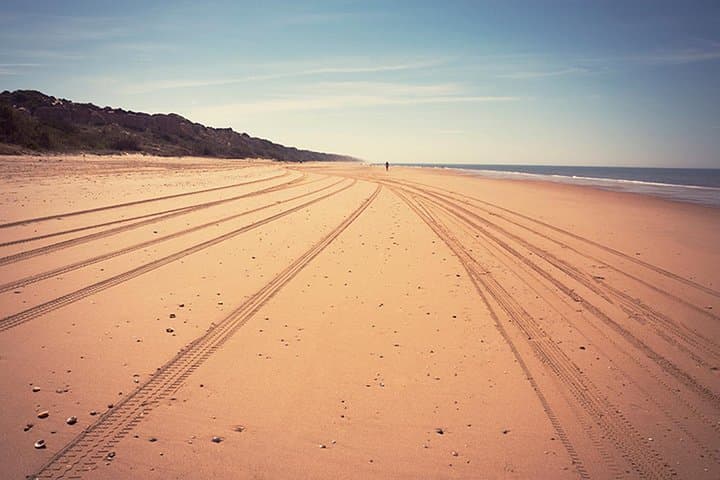
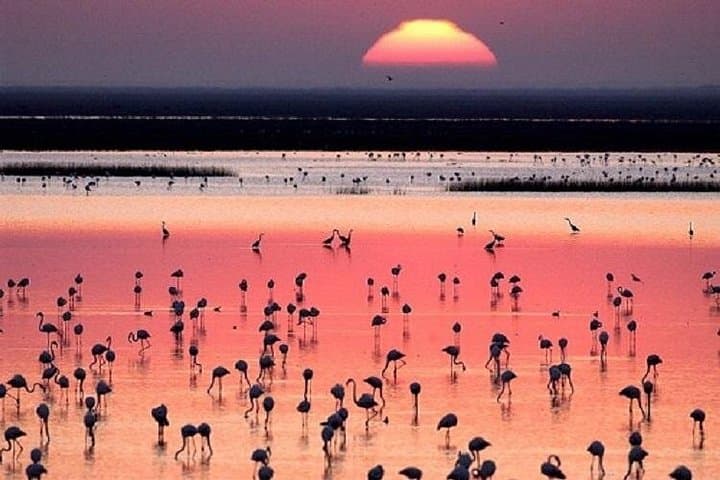
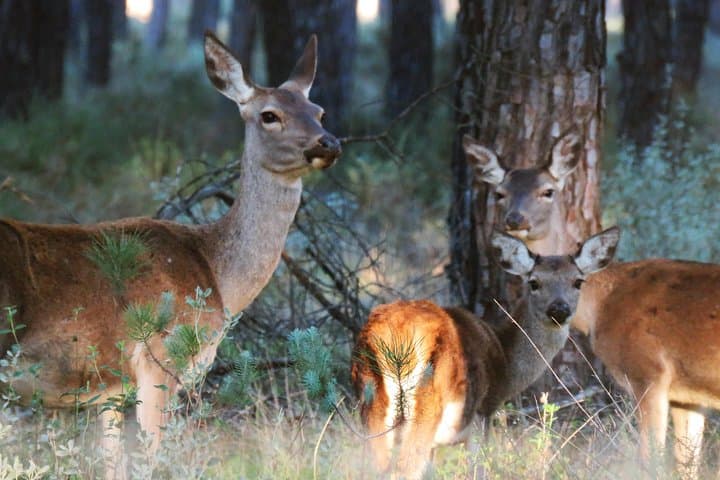
Doñana National Park, located in the autonomous community of Andalusia, Spain, encompasses a diverse mosaic of ecosystems including marshes, streams, sand dunes, and Mediterranean forests. Spanning over 53,000 acres, it stands as one of Europe's most important wetlands and a major refuge for endangered species. The park sits at the mouth of the Guadalquivir River and acts as a critical habitat for migratory birds traveling between Europe and Africa. Doñana’s landscape includes expansive marshlands that flood seasonally, coastal dunes that shift with the wind, and dry scrublands, each supporting a wide array of flora and fauna. Notably, the park provides sanctuary to species such as the endangered Iberian lynx, Spanish imperial eagle, and purple heron. Established in the late 1960s and designated a UNESCO World Heritage Site, it is celebrated for its environmental and cultural significance. Visitors to Doñana National Park can engage in activities centered on wildlife observation, especially birdwatching, with guided tours available to explore the less accessible areas, including boat excursions on the Guadalquivir River. The park’s unique combination of habitats supports a vibrant bird population throughout the year, making it a top destination for ornithologists and nature lovers alike. In addition to its biological treasures, Doñana features archaeological sites and traditional Andalusian landscapes that reflect the historical human-nature interactions in the region. The park’s visitor centers offer educational exhibits and information to enhance the experience, while strict conservation measures help preserve this fragile ecosystem for future generations.