Wilderness Landscape & Natural Heritage
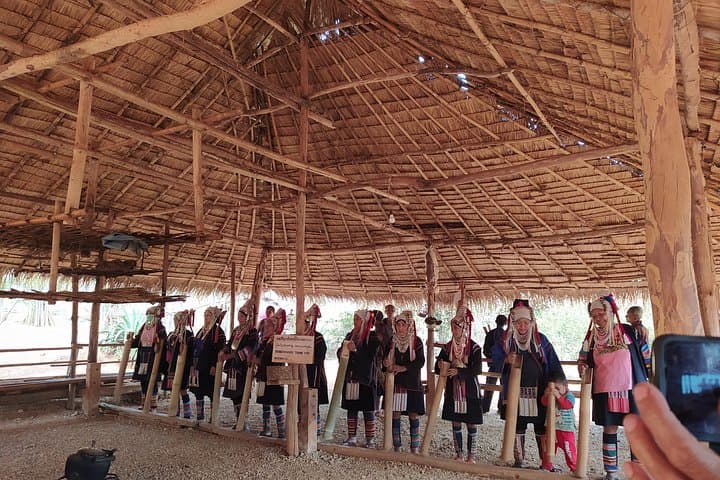
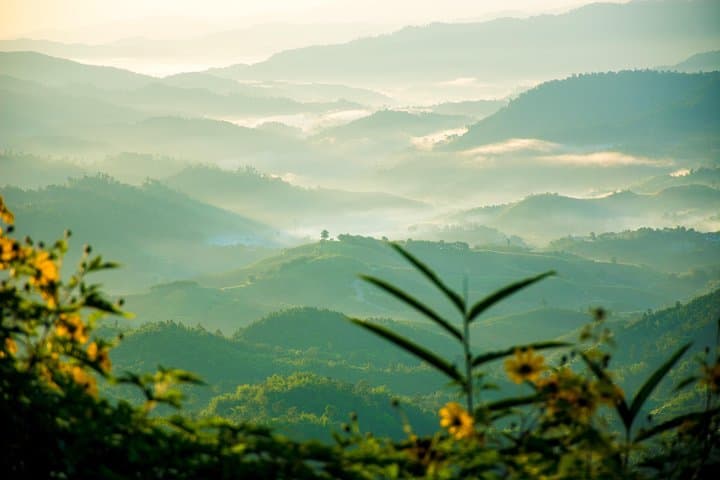
Located in the mountainous region of Chiang Rai Province in northern Thailand, the Doi Tung Development Project Area spans an elevation range from approximately 500 to 1,200 meters above sea level. The area was severely deforested in the mid-20th century due to extensive opium poppy cultivation and illegal logging. Initiated in 1988 by the late Princess Mother Somdej Phra Srinagarindra, the project focuses on reforestation, sustainable agriculture, and the economic upliftment of local hill tribe communities, especially ethnic Akha and Lahu peoples.
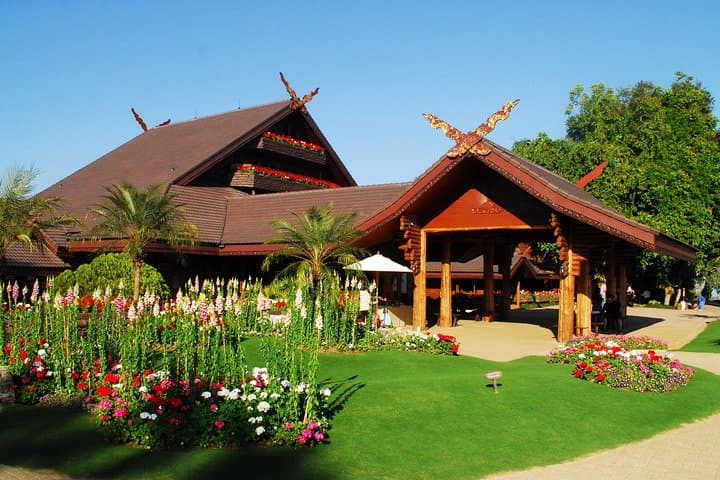
The ecology of the region has improved significantly with the replanting of indigenous trees, creating a mixed evergreen forest environment that supports varied wildlife including hornbills, gibbons, and butterflies. The temperate climate and lush forests also provide a habitat for numerous orchids and medicinal plants. Visitors to Doi Tung can experience nature trails winding through restored forests, visit the famous Doi Tung Royal Villa and Mae Fah Luang Gardens with exotic blooms, and learn about the development project's cultural and social impact at the Mae Fah Luang Foundation’s Visitor Center.
The project integrates sustainable coffee and macadamia nut farming, replacing illicit crops with high-value, environmentally sound alternatives. It is a notable example of community-driven reforestation and socio-economic development, creating employment opportunities in sustainable tourism, agriculture, and handicrafts.
Outdoor recreation opportunities are centered around hiking in temperate forest, bird watching, mountain biking on scenic rural routes, and visiting local villages to experience cultural traditions. The cooler mountain temperatures attract visitors year-round, particularly during the dry season from November to February. Doi Tung remains a model for combining ecological restoration with community welfare and offers a unique, off-the-beaten-path experience in northern Thailand.