Wilderness Landscape & Natural Heritage
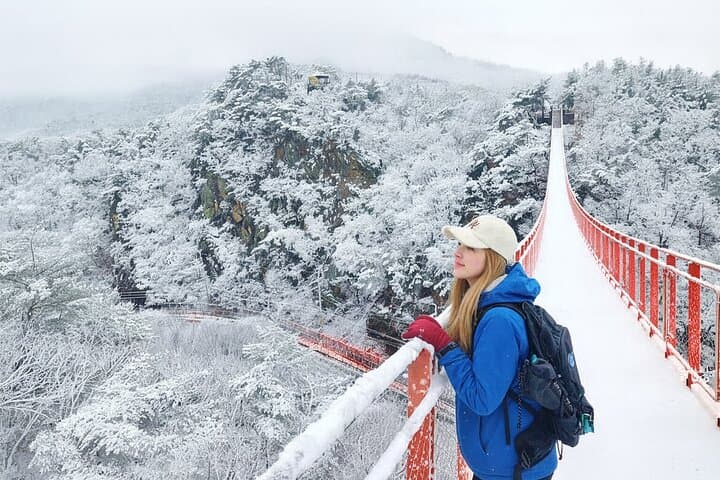
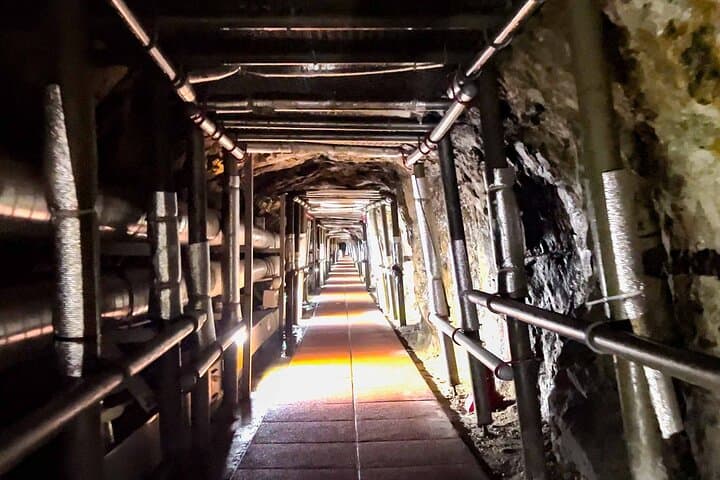
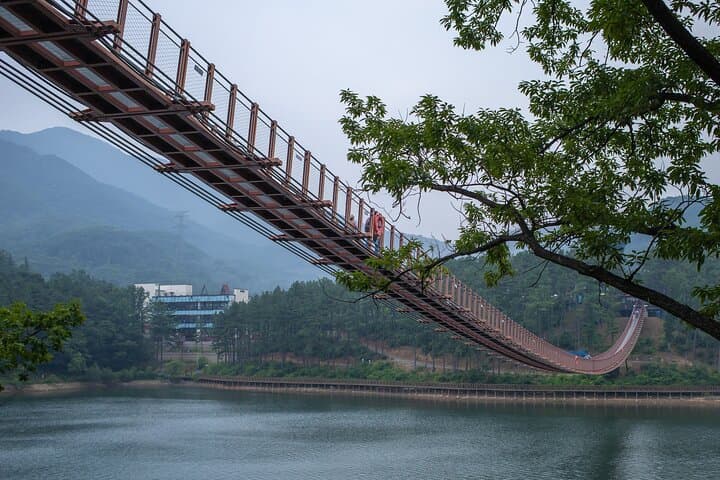
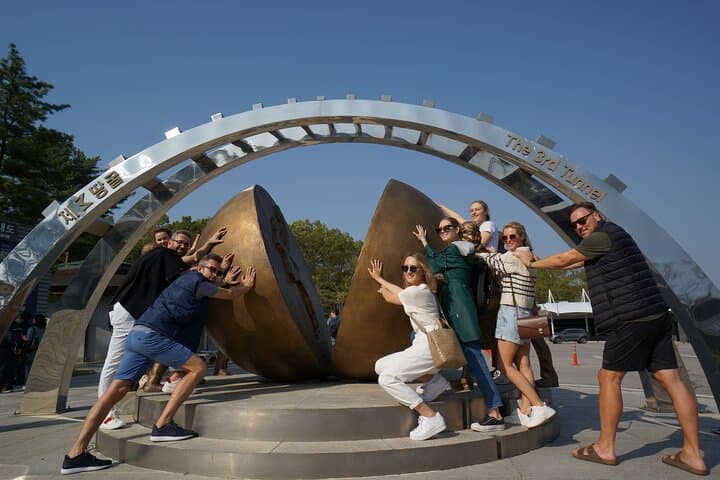
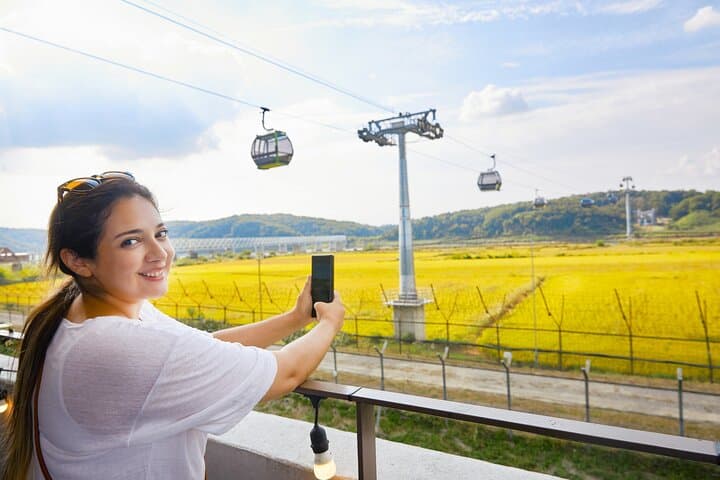
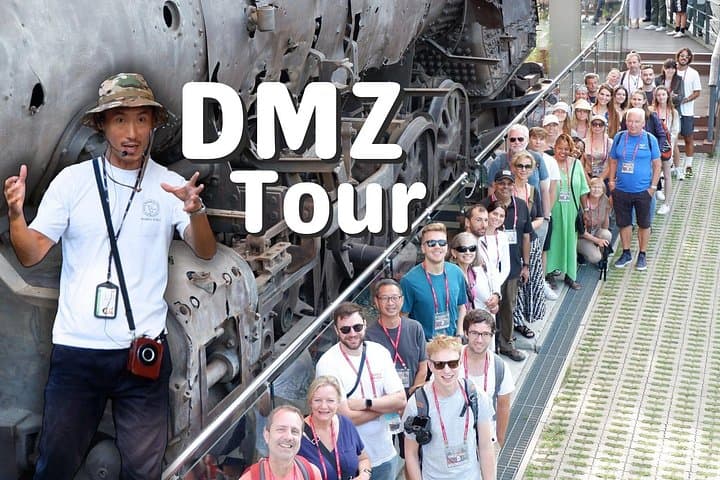
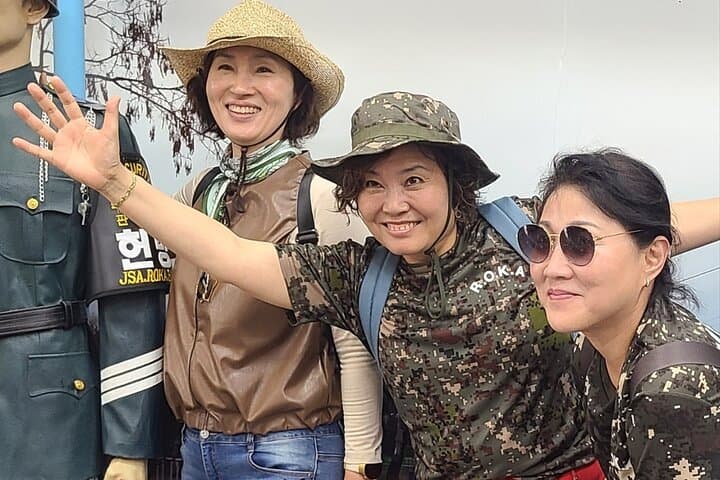
The Korean Demilitarized Zone, established in 1953 following the Korean War armistice, is a roughly 2.5-mile-wide strip of land stretching approximately 160 miles across the Korean Peninsula. It serves as a heavily fortified buffer between the Democratic People’s Republic of Korea (North Korea) and the Republic of Korea (South Korea), preventing military conflict between the two nations. Despite its militarized context, the restricted human access over nearly seven decades has paradoxically transformed the DMZ into a de facto nature preserve. The area hosts a diverse range of flora and fauna, including endangered species such as the red-crowned crane, Asiatic black bear, and the Korean goral, creating one of the most valuable and undisturbed ecosystems on the peninsula. The topography varies from lowland marshes and river valleys to forested hills and mountainous terrain, supporting habitats valuable for migratory birds and endemic wildlife. Access to the DMZ from the South Korean side is tightly controlled and only possible through guided tours, focusing on historic landmarks like the Joint Security Area (JSA) at Panmunjom, the Third Infiltration Tunnel, and observation posts overlooking North Korea. Visitors are drawn by the tense geopolitical history, the natural beauty preserved in isolation, and the rare opportunity to glimpse into a divided nation's complex relationship. While the DMZ is not a traditional recreational outdoor destination due to security restrictions, its significance as a living museum of geopolitical conflict and ecological sanctuary makes it a unique point of interest for historians, ecologists, and photographers alike.