Wilderness Landscape & Natural Heritage
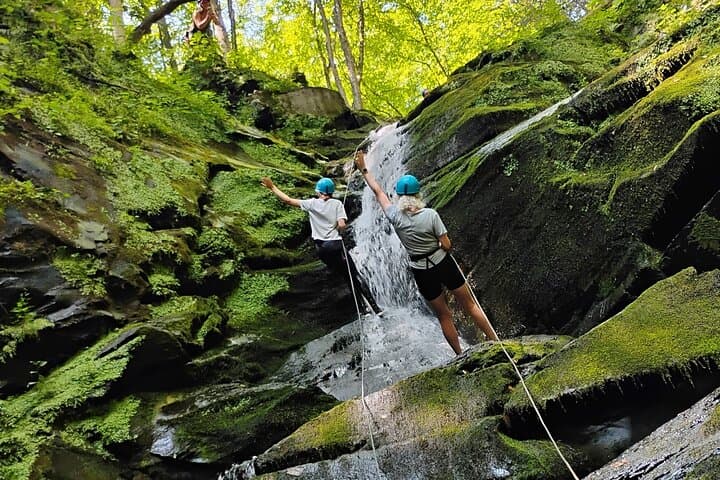
Stretching over 280 miles from the Catskill Mountains in New York to the Delaware Bay between New Jersey and Delaware, the Delaware River Protected Areas consist of multiple federally and state-protected lands that conserve one of the most ecologically and historically important river corridors in the northeastern United States. This corridor includes segments of the Delaware National Scenic River, Delaware Water Gap National Recreation Area, parts of the Middle Delaware National Scenic and Recreational River, and various adjacent state parks and forests. The terrain varies from rugged forested mountain ridges, deep river valleys, wetlands, and tidal estuaries that support a wide variety of plant and animal species, including bald eagles, river otters, and several migratory fish species. The area preserves critical habitats and provides a water source for millions of people. Historically, the Delaware River has been a key transportation route for Native American tribes, early European settlers, and remains culturally significant for numerous indigenous and colonial historical sites. Popular recreation spans hiking, fishing, kayaking, camping, bird watching, and scenic driving. Notable landmarks include the Delaware Water Gap—a large gorge where the river cuts through the Appalachian Mountains—historic mills, and old canal towpaths. The protected status of much of the river corridor helps maintain water quality, wildlife habitat, and outdoor access for residents and visitors alike, making it a treasured conservation and recreation resource in four states.