Wilderness Landscape & Natural Heritage
The Danube Floodplains are an extensive transboundary natural area stretching along the middle and lower sections of the Danube River across multiple Central and Eastern European countries, including Austria, Slovakia, Hungary, Croatia, Serbia, and Romania. These floodplains represent some of the last remaining large-scale floodplain ecosystems in Europe, characterized by seasonally flooded forests, marshes, reed beds, and braided river channels. The geography is shaped by the dynamic flow of the Danube River, which consistently sculpts the landscape, creating a mosaic of habitats that support rich biodiversity.
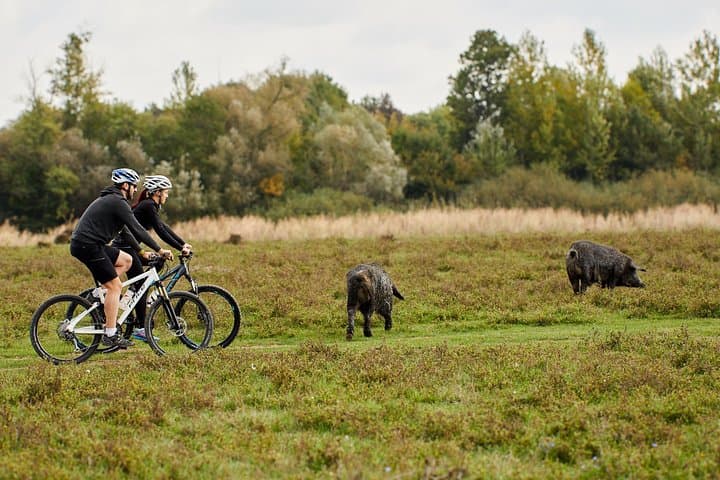
Ecologically, the Danube Floodplains are vital for numerous species, especially migratory and breeding birds, such as the white-tailed eagle, great egret, and spoonbill. The area is also home to rare fish species, amphibians, and large mammals like European otters and wild horses in certain regions. Historically, these floodplains have been shaped by centuries of human interaction, including traditional fishing, grazing, and reed harvesting, which continue in harmony with conservation efforts.
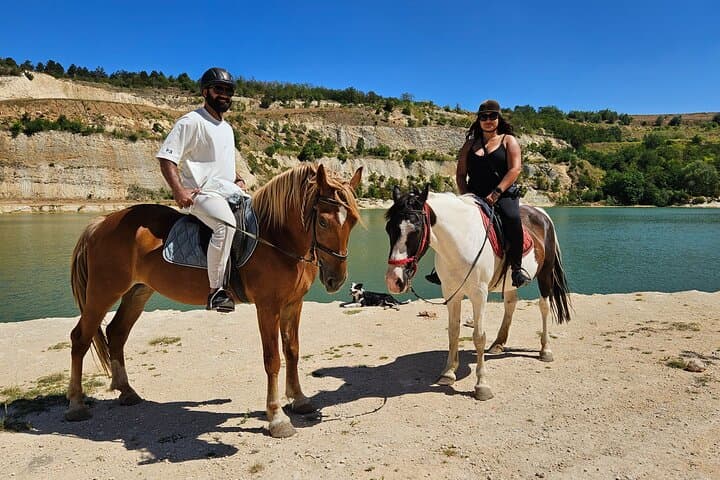
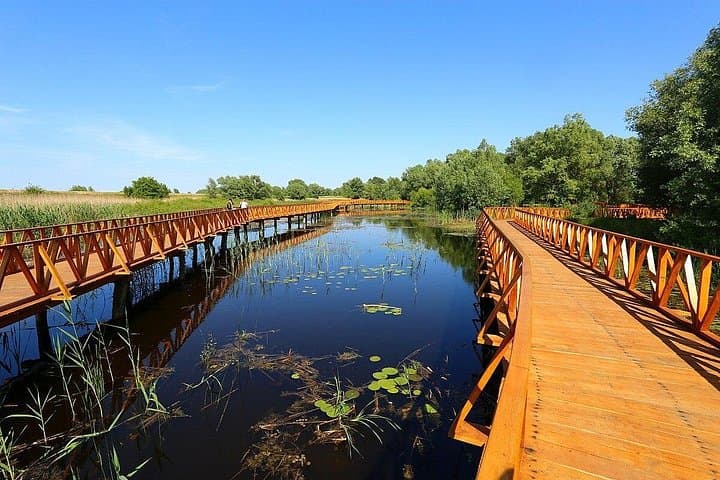
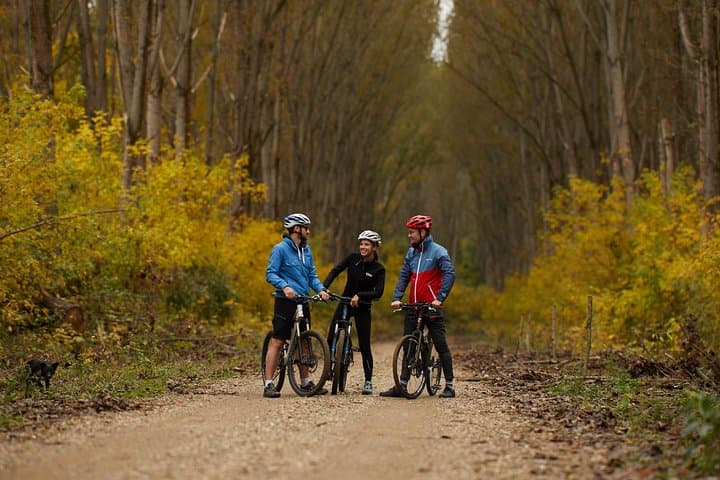
Recreation opportunities abound for nature enthusiasts: well-maintained trails and boardwalks allow hiking and wildlife viewing, while calm waters and interconnected backwaters invite kayaking and canoeing adventures. Key landmarks include the Donau-Auen National Park in Austria, the Gemenc Forest in Hungary, and the Đerdap Gorge in Serbia. Visitors are drawn by the peaceful and pristine environment, especially birdwatchers, photographers, and eco-tourists eager to experience Europe's natural river dynamics. The Danube Floodplains are a living landscape showcasing the importance of riverine ecosystems for biodiversity and human heritage.