Wilderness Landscape & Natural Heritage
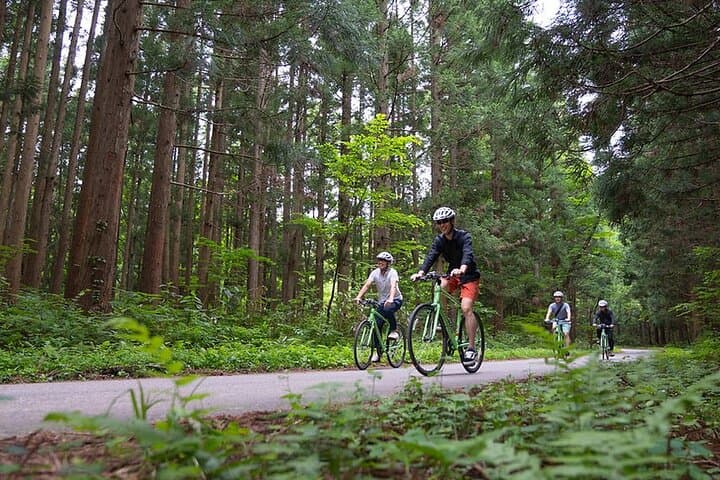
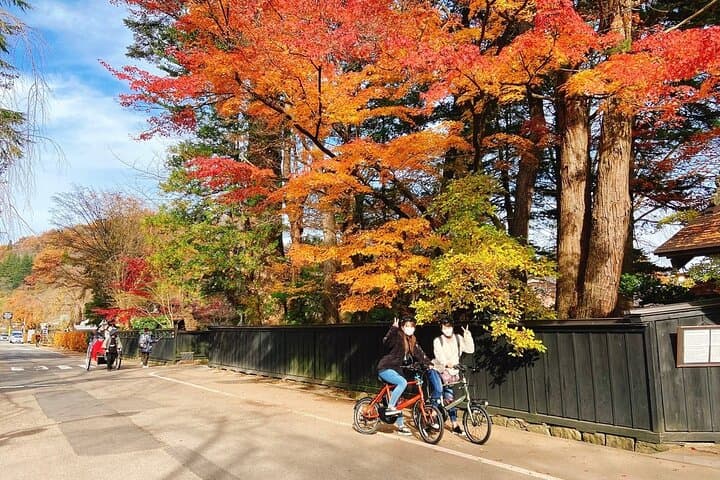
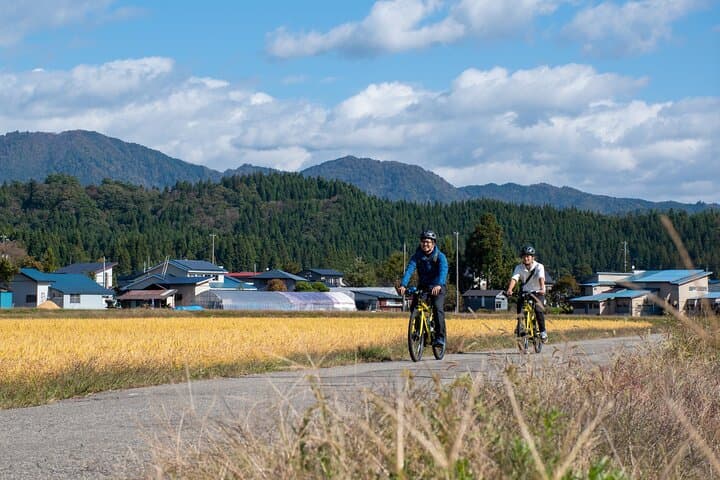
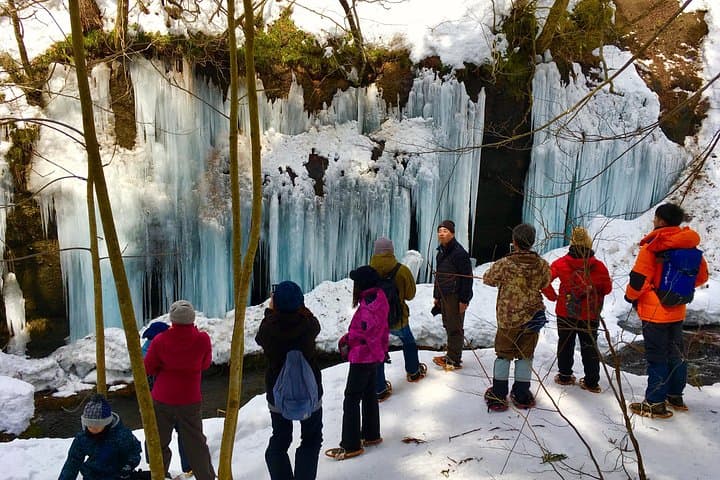
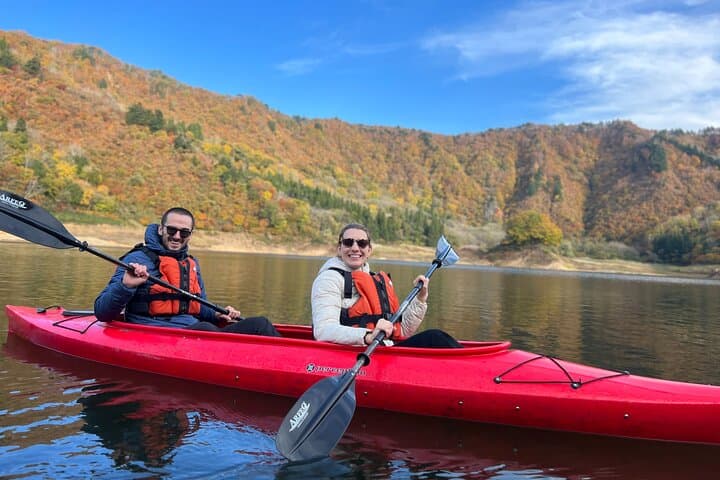
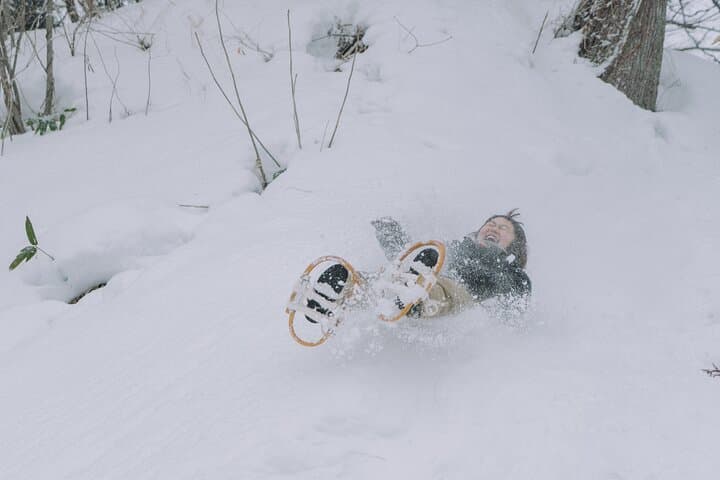
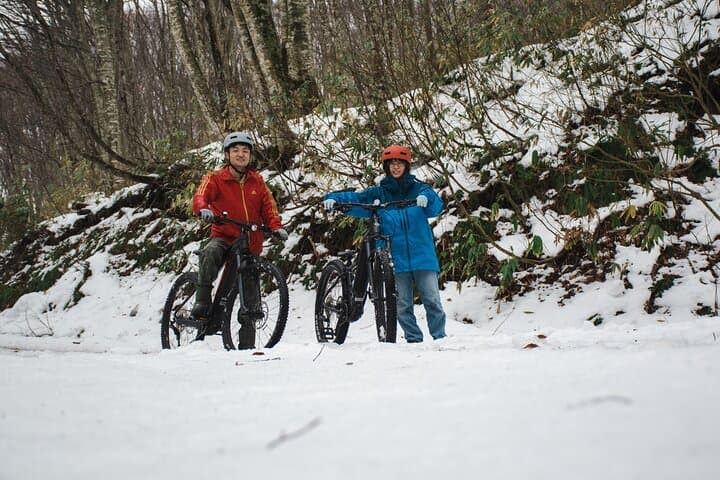
Chōkai Quasi-National Park highlights the majestic Mount Chōkai, a 2,236-meter active stratovolcano that straddles the borders of Akita and Yamagata prefectures in northern Japan. The park covers a varied landscape of volcanic peaks, volcanic lakes, forests, and coastline along the Sea of Japan. The mountain, often called 'Dewa Fuji' for its resemblance to Mount Fuji, shapes the local ecology with mixed forests of beech and conifer and supports populations of diverse plant and animal species, including alpine flora and native mammals. Established in 1963, the park preserves both natural beauty and cultural sites such as old shrines and mountain huts used by pilgrims and hikers. Popular activities include climbing Mount Chōkai via several trails that differ in difficulty, fishing in the nearby dams and rivers, camping, and birdwatching. The seasonal changes provide dramatic scenery—from snow-capped peaks in winter to lush, green forests in summer, with striking autumn foliage colors in fall. Lakes like Lake Maruko offer boating and tranquil water views. Visitors appreciate the quiet, less crowded environment compared to other prominent national parks in Japan, and the unique mix of mountain and marine environments. The park also plays a role in conservation of volcanic landscapes and supports environmental education. Local festivals and traditional mountain worship practices add a cultural dimension to visits here.