Wilderness Landscape & Natural Heritage
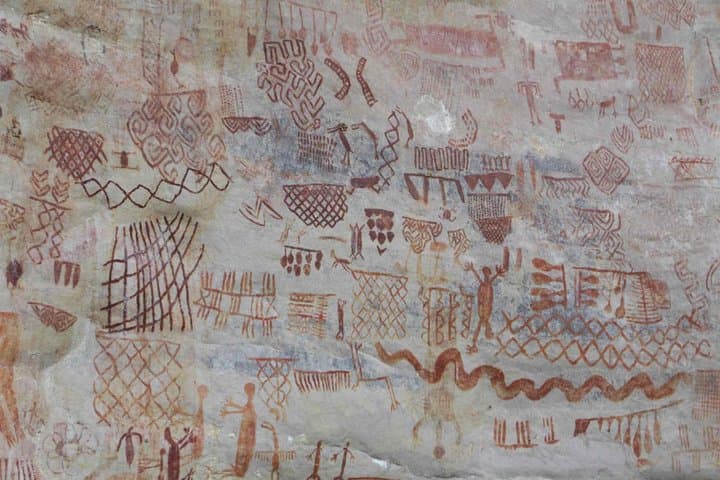
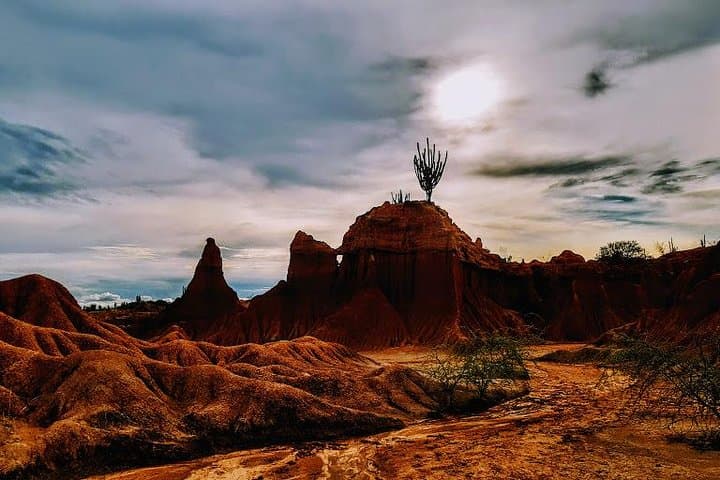
Chiribiquete National Park, also known as the 'Maloca of the Jaguar,' spans over 4.3 million acres (approximately 1.7 million hectares) in the Colombian Amazon rainforest. It encompasses a remarkable landscape of isolated sandstone tepuis—flat-topped mountains—that rise dramatically above the jungle canopy. These tepuis harbor unique ecosystems and serve as natural biodiversity hotspots. The park is recognized for housing one of the most extensive collections of prehistoric rock art in the world, with thousands of ancient pictographs dating back thousands of years, depicting humans, animals, and mythological figures. Due to its vast size and challenging terrain, Chiribiquete remains one of the least explored national parks globally, contributing to its aura of mystery and ecological importance.
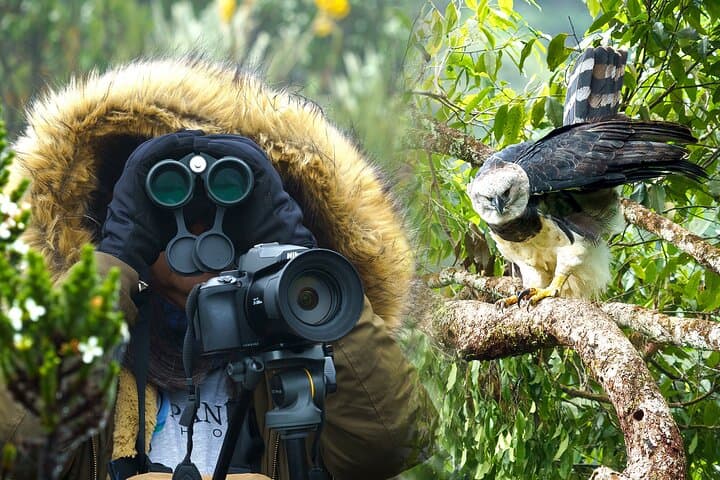
The park's flora and fauna are diverse, including endangered species like jaguars, tapirs, spider monkeys, and giant otters, along with hundreds of bird species and endemic plants. Its remote location and difficult access mean that visitor numbers are extremely limited, primarily consisting of scientific researchers and controlled eco-tourism groups. Recreation activities include guided jungle treks, wildlife observation, cultural interpretation of indigenous rock art sites, and river expeditions. Chiribiquete is both a natural and cultural heritage site, designated as a UNESCO World Heritage property, underscoring its global significance. Though tourism infrastructure is minimal, those who visit find unparalleled wilderness experiences in one of the most pristine environments on Earth.