Wilderness Landscape & Natural Heritage
The Chernobyl Exclusion Zone, established after the catastrophic nuclear accident on April 26, 1986, encompasses roughly 1,000 square miles (2,600 km²) in northern Ukraine along the border with Belarus. This heavily controlled zone was initially evacuated and sealed off to contain radioactive contamination. Over the decades, restricted human activity has resulted in a rare and profound ecological recovery, with diverse flora and fauna returning in previously unprecedented numbers and variety. The zone includes the abandoned city of Pripyat, quiet ghost towns, contaminated forests, rivers, and farmland.
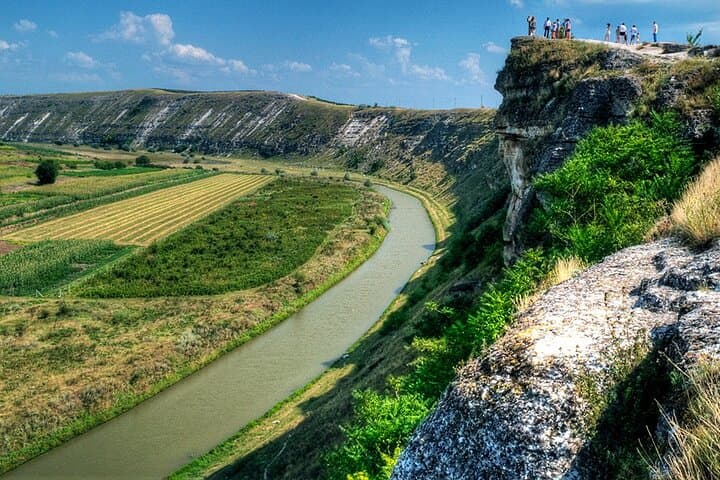
Geographically, the zone is a patchwork of forests, wetlands, meadows, and deteriorating man-made structures, lying in a temperate continental climate region. Key landmarks include the New Safe Confinement structure built over Reactor 4, the Sarcophagus, the abandoned amusement park, and the Red Forest, an area severely affected by radiation.
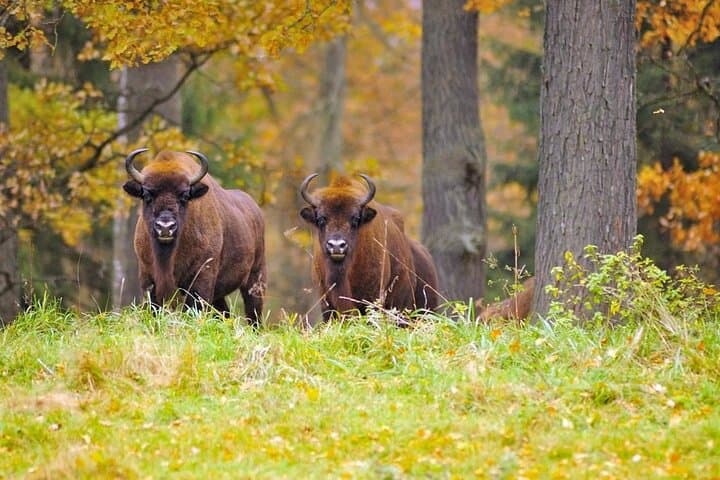
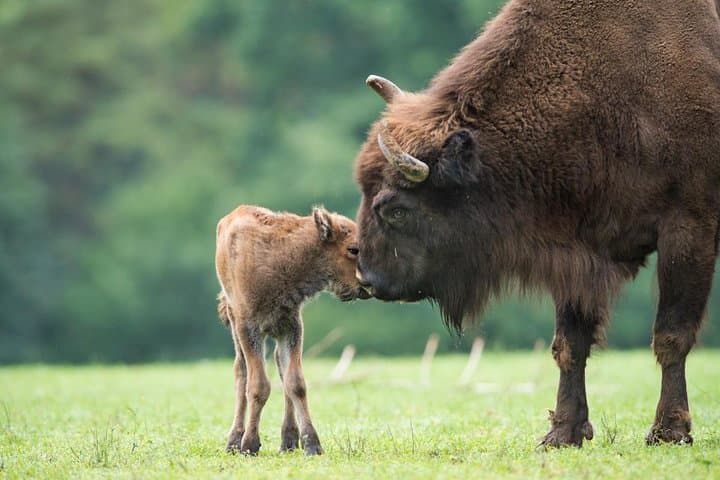
Although public access is limited and tightly regulated, guided eco-tours and educational trips allow visitors to explore the unique landscape and learn about the disaster’s history and consequences. The zone offers extraordinary opportunities for wildlife viewing, as animals such as wolves, wild horses (Przewalski’s horses), lynx, and numerous bird species thrive without human disturbance. Photography enthusiasts are drawn to the haunting urban ruins and natural reclamation scenes. While hiking and walking tours within the safer permitted areas are popular, camping and off-trail travel remain prohibited to minimize exposure.
The Chernobyl Exclusion Zone serves as a potent symbol of resilience, the long-term impacts of nuclear contamination, and the complex relationship between humans and the environment.