Wilderness Landscape & Natural Heritage
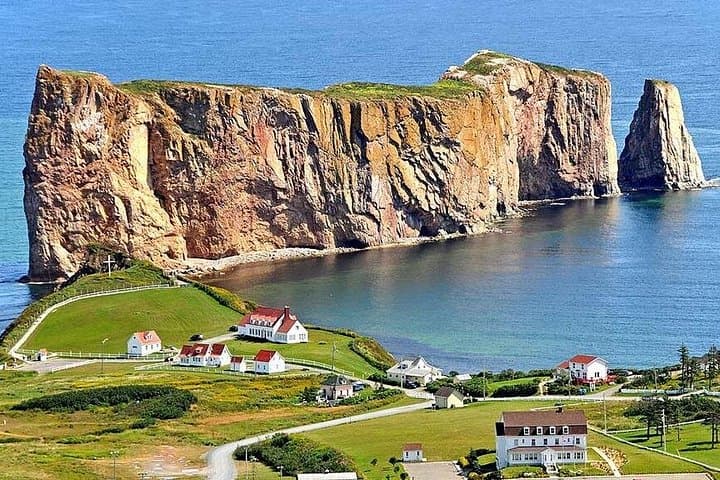
Located on the north shore of the Gulf of Saint Lawrence in Quebec, Cap-de-Bon-Désir National Wildlife Area protects a critical coastal habitat characterized by cliffs, rocky shores, and tidal flats. The area extends over approximately 23.1 square kilometers and includes steep escarpments and subarctic flora. Historically inhabited and traversed by Innu peoples, the site has become internationally recognized for its importance to migratory birds and marine mammals, especially whales. It sits facing the Saguenay–St. Lawrence Marine Park, one of the world's key hotspots for whale observation. Visitors to Cap-de-Bon-Désir can often observe species such as belugas, blue whales, humpbacks, and minke whales offshore. The cliffs and shorelines support nesting seabird colonies, including black guillemots and razorbills. From well-maintained viewing platforms and trails, visitors enjoy sweeping views of the river and wildlife below. The site offers interpretive panels that explain the ecology and species found here. Recreational activities mainly center around hiking the coastal trails and wildlife photography. Due to its status as a protected area, activities are managed carefully to minimize disturbance to wildlife, making responsible ecotourism a priority. The Cap-de-Bon-Désir National Wildlife Area provides a rare opportunity to appreciate marine and coastal ecosystems in a largely undeveloped setting, appealing to wildlife enthusiasts, birders, and nature photographers alike.