Wilderness Landscape & Natural Heritage
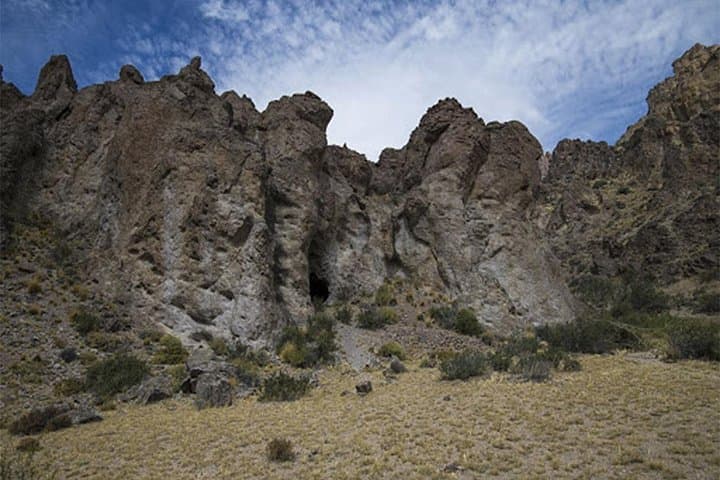
Located in the remote Patagonian region of southern Argentina's Santa Cruz Province, Cañadón de las Manos is an extraordinary UNESCO World Heritage Site known primarily for its remarkable rock art. The site consists of a series of narrow canyons carved by the Pinturas River, where over 9,000 years ago indigenous hunter-gatherer groups created vivid stenciled handprints and other pictographs on the canyon walls. These handprints, primarily left by placing a hand against the rock and spraying pigment around it, are accompanied by depictions of animals and hunting scenes, providing rich insight into early human culture in South America.
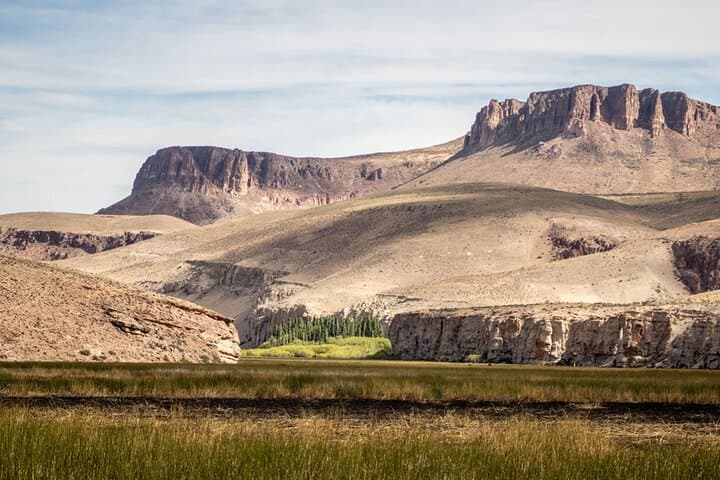
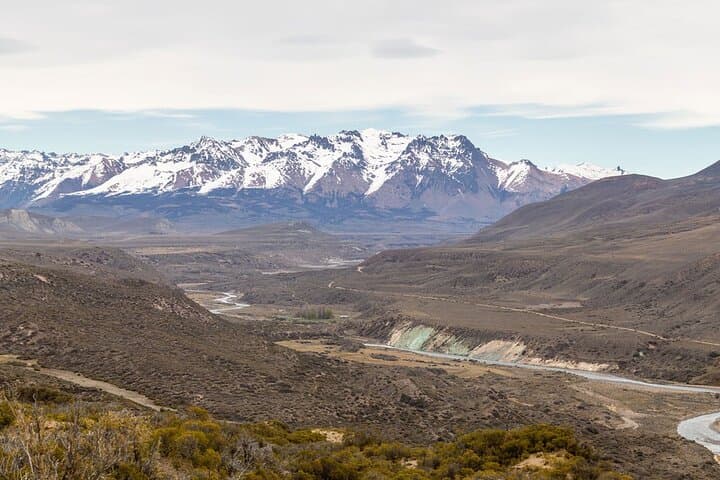
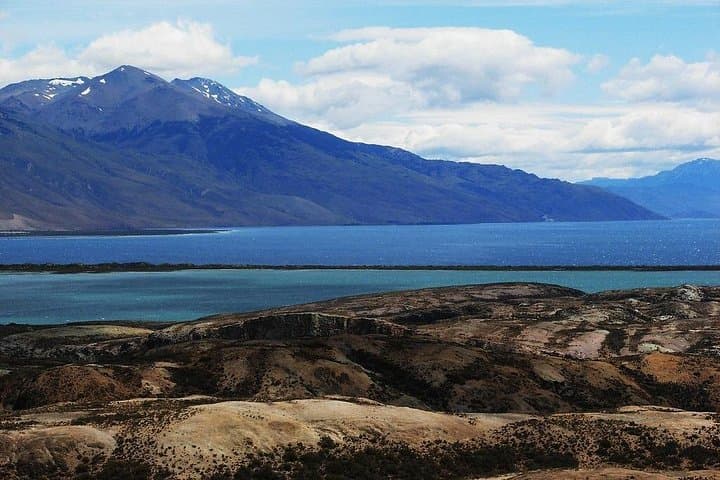
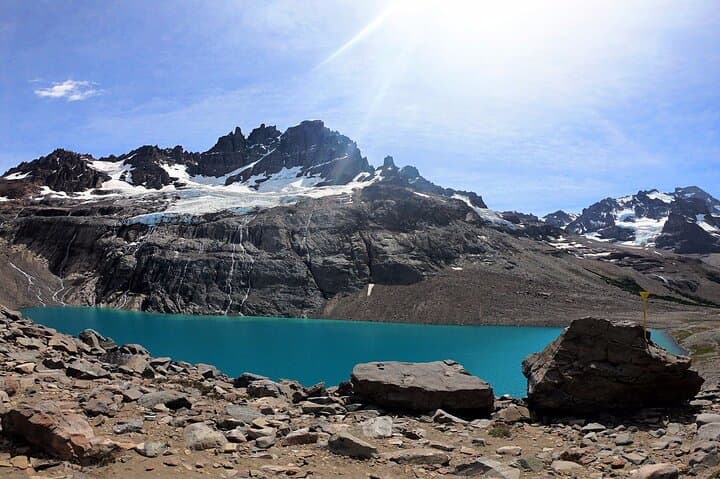
The rugged landscape around Cañadón de las Manos features steep cliffs and arid Patagonian steppe vegetation, hosting diverse wildlife adapted to the semi-desert environment. Visitors to the site can explore well-marked trails along the canyon, enabling close views of the prehistoric art while immersing in the panoramic vistas of the surrounding valley and distant mountain ranges. Beyond the cultural significance, the area appeals to hikers, photographers, and archaeology enthusiasts alike.
Though lacking developed campgrounds, the region is often visited as part of guided tours or extended trekking itineraries through Patagonia’s wilderness. The site’s remoteness protects it from over-visitation, helping preserve the fragile pigments and rock surfaces. Interpretive signage and local guides provide context for the art’s meaning and the lifestyle of the indigenous peoples who created it thousands of years ago. Cañadón de las Manos remains a vital window into ancient human artistry, connecting modern visitors with a deep cultural heritage within a breathtaking Patagonian backdrop.