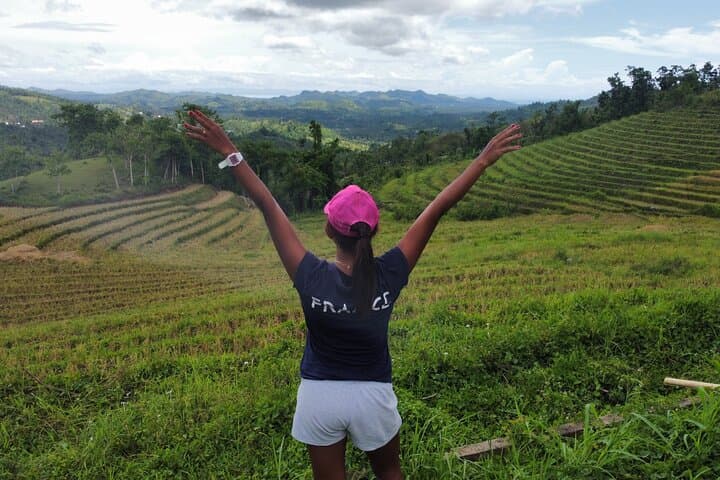
Wilderness Landscape & Natural Heritage
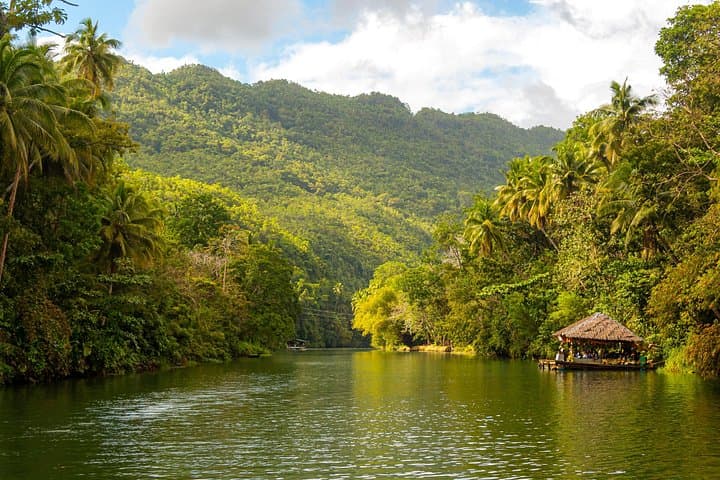
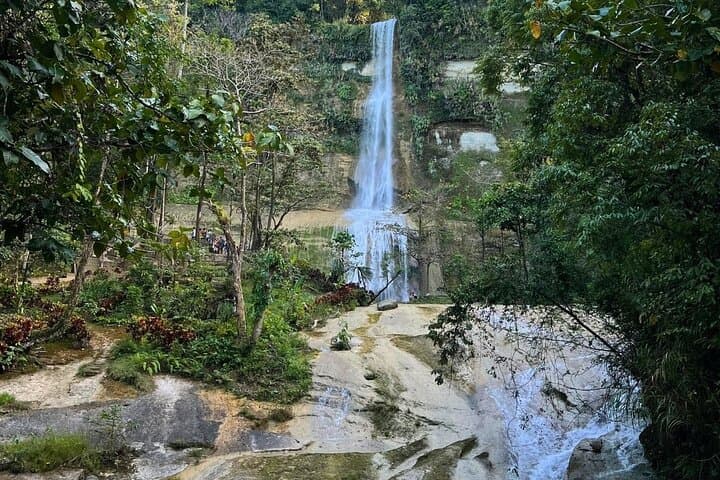
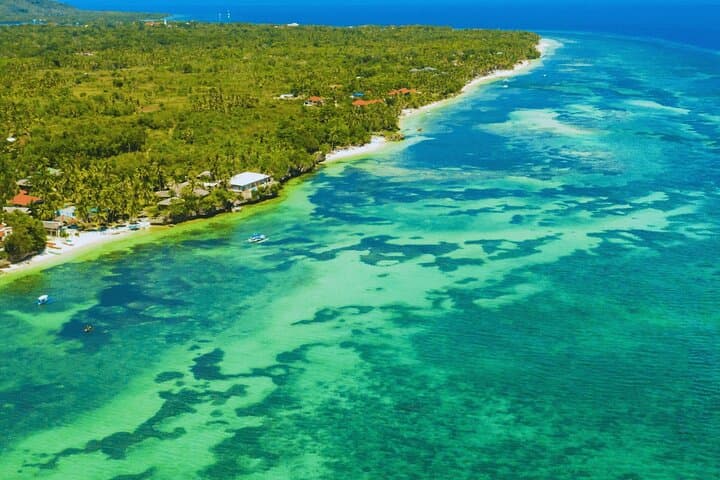
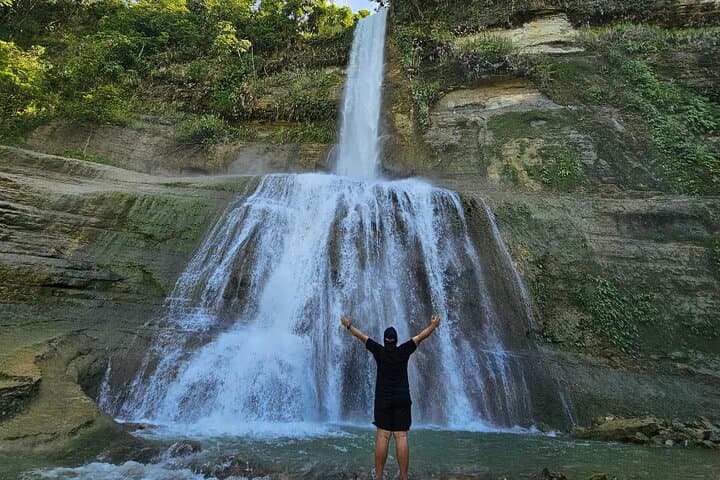
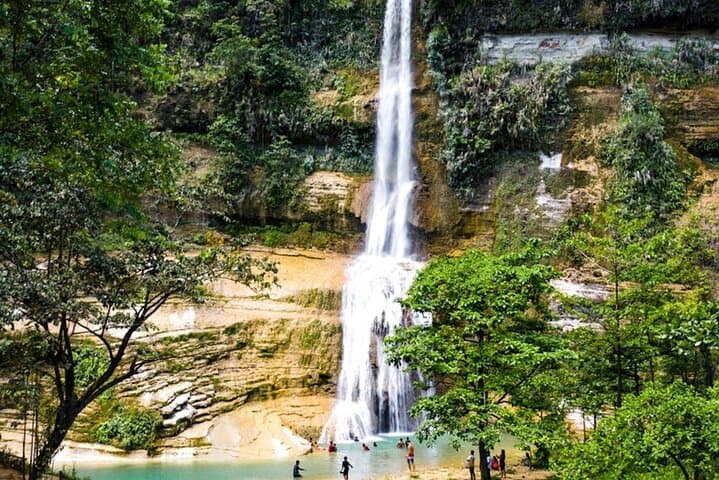
Camiguin Volcano Natural Park encompasses the central volcanic complex of Camiguin Island in the Philippines, featuring four major volcanoes: Mount Hibok-Hibok, Mount Vulcan, Mount Timpoong, and Mount Sagay. The park spans over forested slopes, volcanic lakes, hot springs, and waterfalls, preserving a variety of tropical habitats that support diverse wildlife including endemic species such as the Camiguin hanging parrot. Established in 2002, the park highlights the island's volcanic origin and offers outdoor activities primarily focused on hiking the active and dormant volcanoes, exploring natural hot springs, and visiting waterfalls like Tuasan Falls and Katibawasan Falls. Mount Hibok-Hibok is the most well-known peak and last erupted in 1951, drawing interest from adventurers and geologists alike. Ecologically, the park safeguards primary and secondary rainforest ecosystems, mossy forests at higher elevations, and freshwater habitats supporting various bird species and reptiles. The park has cultural significance with sites related to local traditions and volcanic eruption history. It is an ideal destination for eco-tourists, hikers, photographers, and nature enthusiasts who enjoy tropical climates and volcanic scenery. The park's proximity to nearby towns allows visitors to experience local culture and hospitality in small communities. Accessibility by road makes day hikes and multi-day treks feasible, although some trails can be steep and challenging. The park's conservation efforts focus on protecting its unique biodiversity while supporting sustainable tourism that benefits local residents.