Wilderness Landscape & Natural Heritage
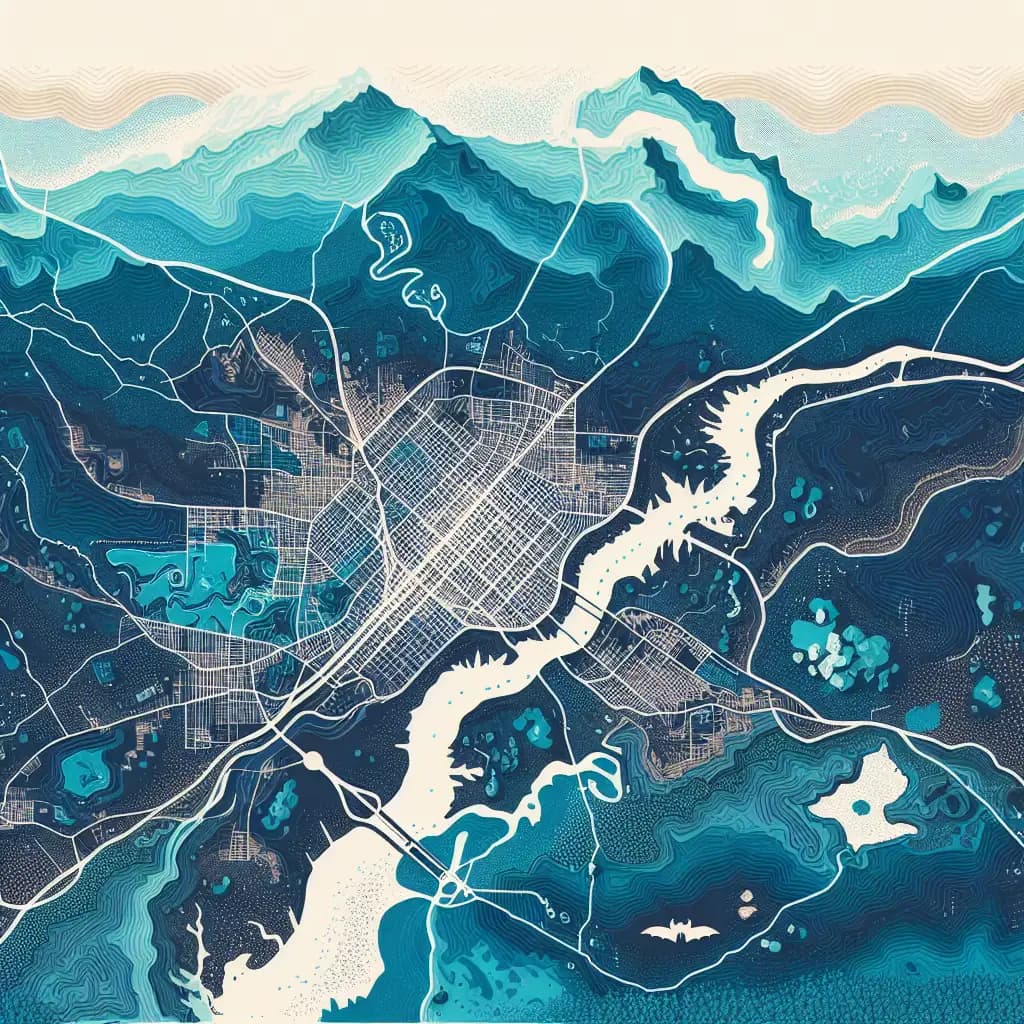
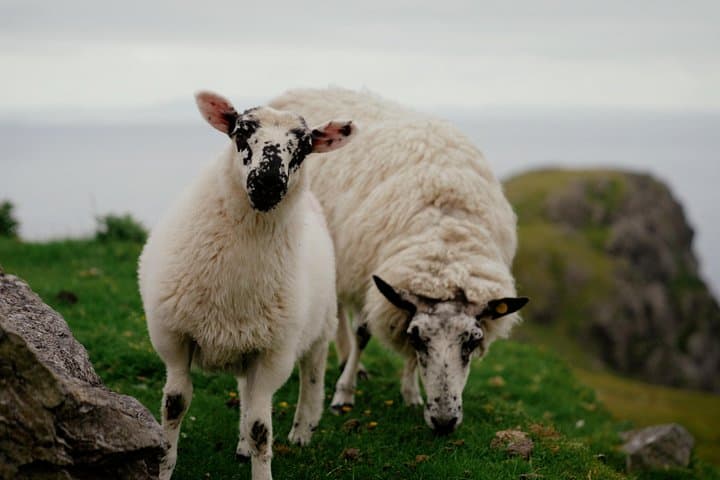
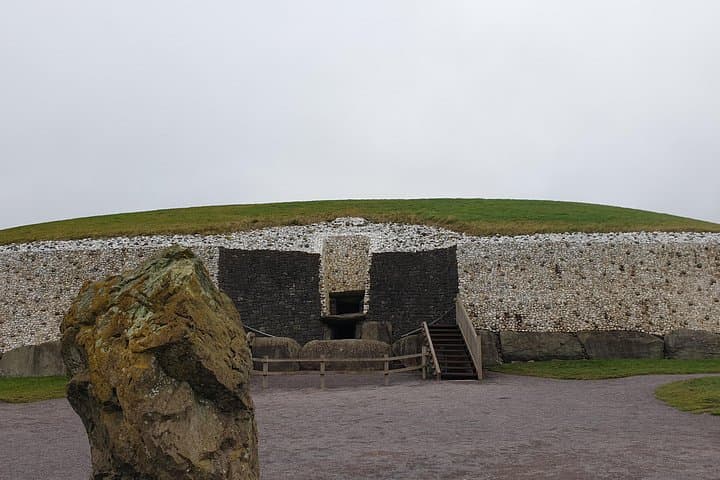
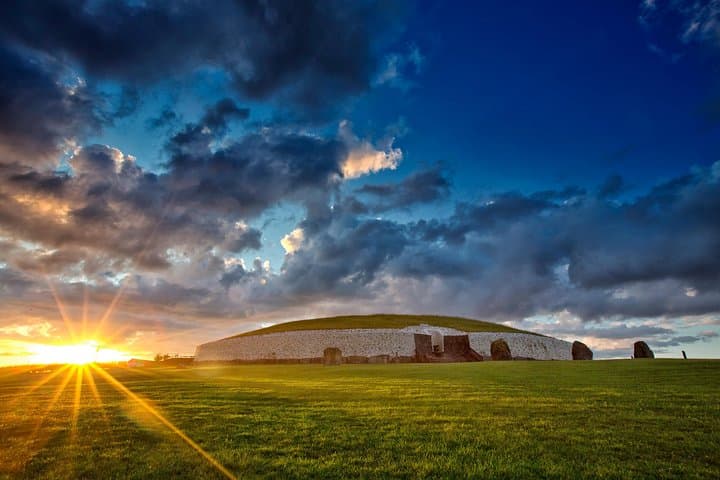
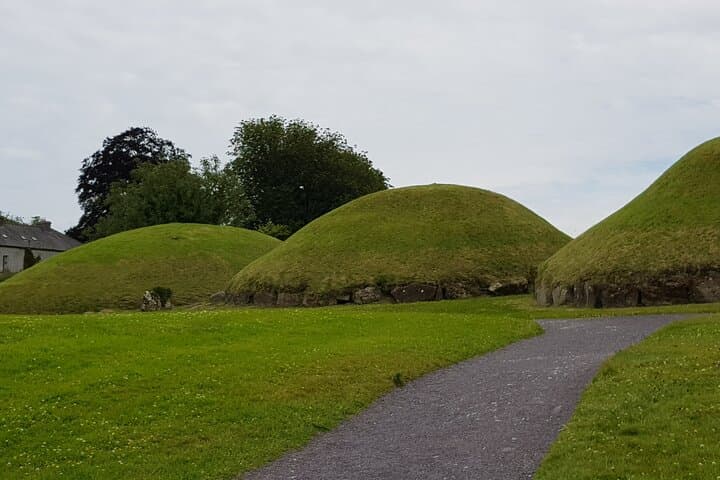
The Boyne Valley UNESCO World Heritage Site Buffer Zone serves as a protective perimeter around the core designated area that includes the renowned Neolithic passage tombs and monuments of the Brú na Bóinne complex such as Newgrange, Knowth, and Dowth. Located primarily within County Meath and parts of County Louth in Ireland, the buffer zone helps to conserve the landscape setting from modern development that could detract from the outstanding universal value of the World Heritage Site. Geographically, the valley is shaped by the meandering River Boyne, its lush floodplain, and rolling drumlins, fostering a mosaic of farmland, woodland patches, hedgerows, and wetland habitats that support diverse flora and fauna. The buffer zone remains a predominantly rural area, preserving the cultural landscape that has thrived for over 5,000 years.
Ecologically, the zone maintains key habitats for species such as Ireland’s native oak woodlands, meadow wildflowers, and migratory birds. Historically, it safeguards the peaceful rural setting around some of Europe's oldest and most significant prehistoric monuments, enabling visitors to experience this cultural heritage in a natural and unspoiled environment. Recreational opportunities include scenic walking routes along the Boyne, birdwatching across riverside habitats, cycling through quiet country lanes, and photography focusing on the scenic and historic vistas.
Visitors to the buffer zone benefit from proximity to the Visitor Center at Brú na Bóinne (Newgrange), as well as smaller community attractions in nearby towns. The buffer zone itself is not a designated park with formal trails or campgrounds but provides important landscape context and low-impact access to the wider heritage areas. Its open spaces and views complement the immersive experience of Ireland’s rich prehistoric and natural heritage, making it a valuable site for outdoor enthusiasts and cultural travelers alike.