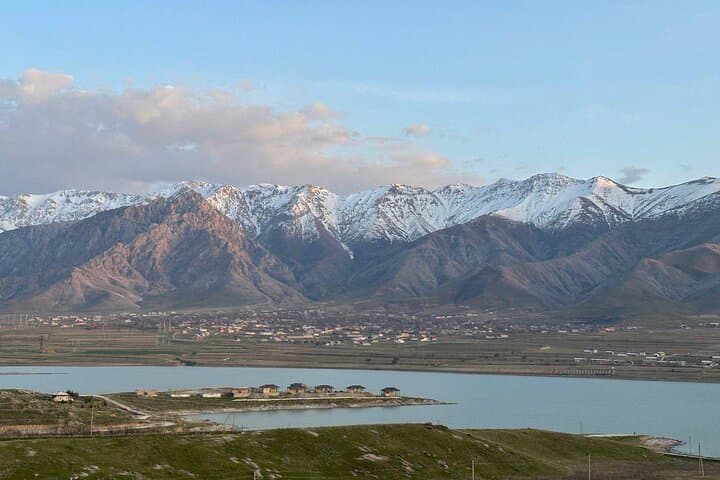
Wilderness Landscape & Natural Heritage
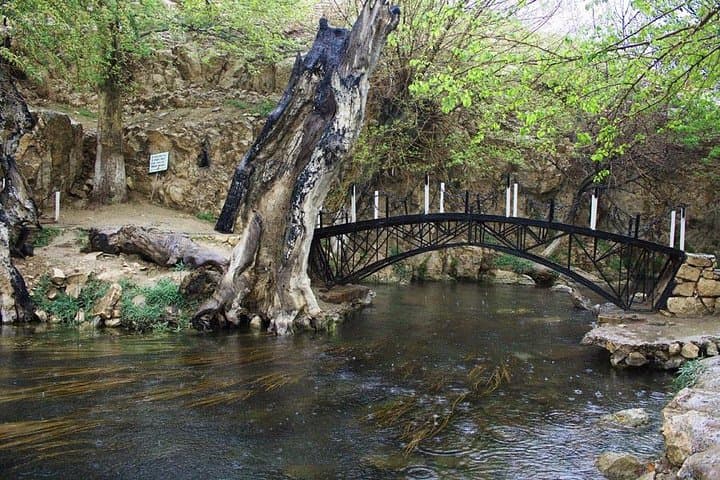
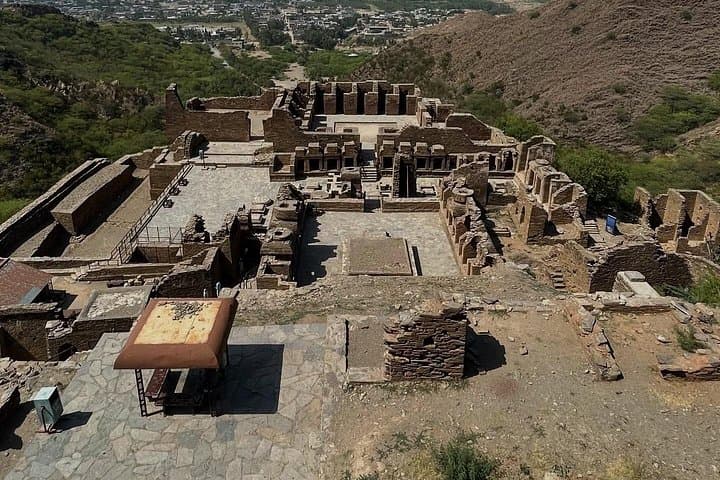
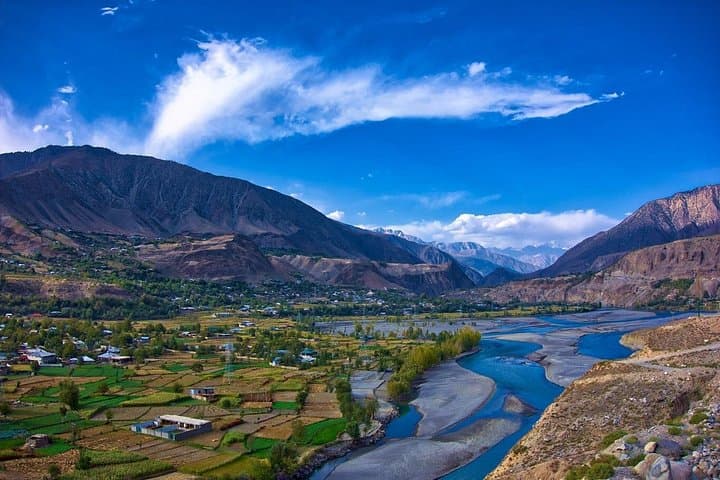
Nestled in the rugged landscape of Bamyan Province in central Afghanistan, Band-e-Amir National Park is a spectacular protected area famed for its chain of six turquoise lakes formed by natural travertine dams along the Harirud River. Situated in a remote region of the Hindu Kush mountains, this park showcases striking limestone cliffs, clear azure waters, and alpine meadows that provide habitat for diverse flora and fauna, including native fish species and migratory birds. The park covers a geologically significant karst landscape shaped by mineral-rich water, creating natural barriers that result in tiered lakes with incredible clarity and vivid blue hues. Historically, Band-e-Amir holds cultural significance due to its proximity to ancient Buddhist sites and the Bamyan Valley, famed for the giant Buddhas before their destruction. Visitors are drawn here for peaceful hiking along rugged trails, photography of the iconic lakes, birdwatching, and cultural encounters with local communities. The park embodies Afghanistan's natural heritage, offering an unmatched combination of geological wonders and serene wilderness far from urban centers. Due to its remoteness and limited tourism infrastructure, it represents a pristine environment for adventurous travelers seeking solitude and natural beauty. Band-e-Amir National Park is important both ecologically and culturally, representing one of the few well-preserved natural freshwater systems in Afghanistan, emphasizing efforts toward conservation and sustainable visitation.