Wilderness Landscape & Natural Heritage
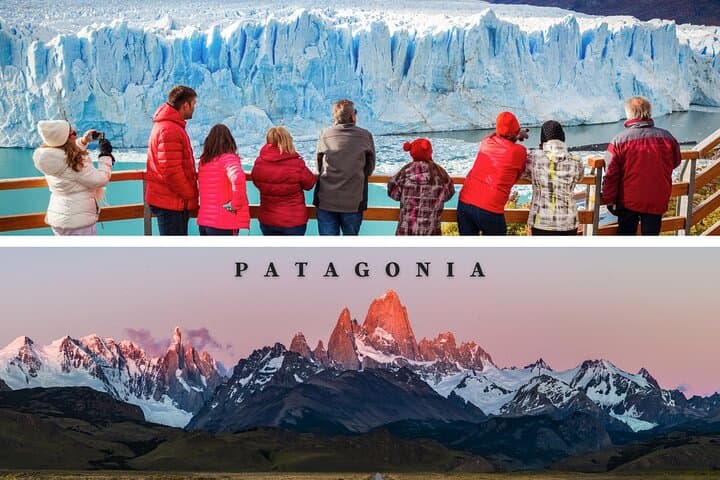
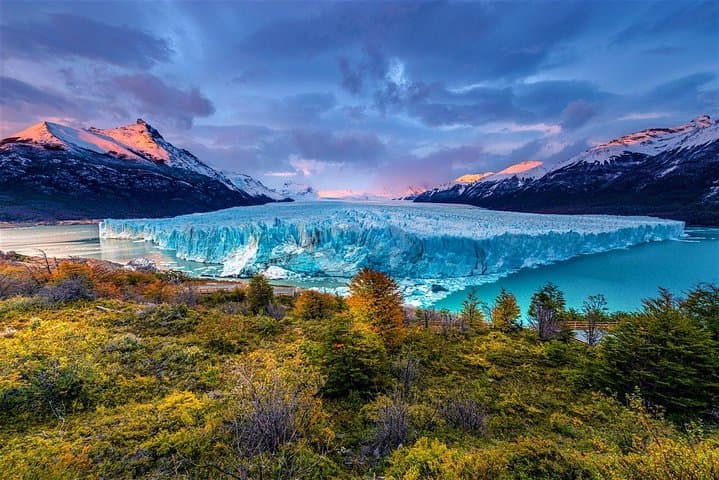
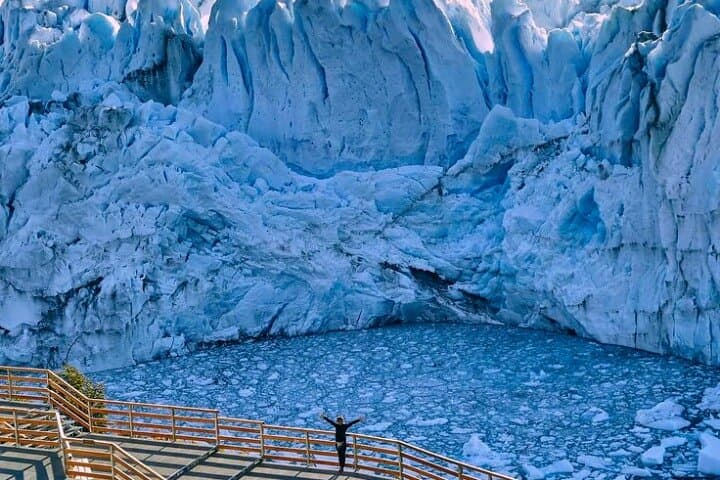
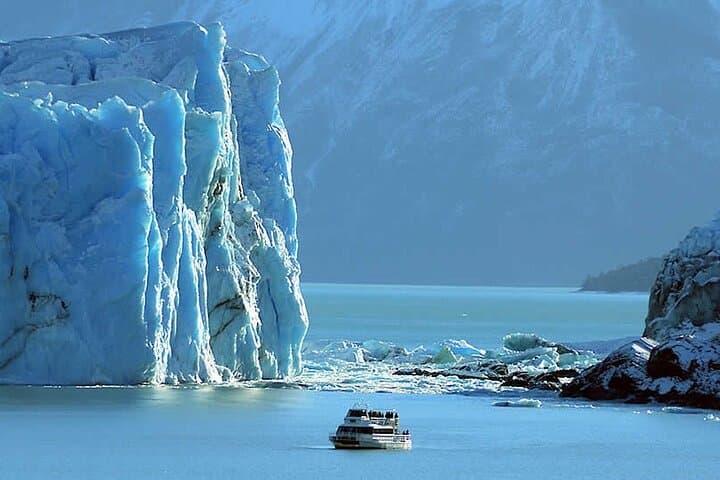
Alacalufe National Reserve is situated in the Magallanes and Chilean Antarctica Region of southern Chile, encompassing rugged fjords, dense Valdivian temperate rainforests, and extensive coastal environments along the Patagonian coast. Named after the indigenous Kawésqar people—historically referred to as Alacalufe—the reserve preserves their ancestral lands and the biodiversity of this remote area. The terrain includes mountainous islands, rocky beaches, and sheltered inlets, which create a mosaic of habitats supporting diverse flora and fauna such as Magellanic woodpeckers, southern river otters, marine mammals, and a variety of seabirds. Cold, wet weather dominates most of the year, with frequent rains sustaining lush vegetation.
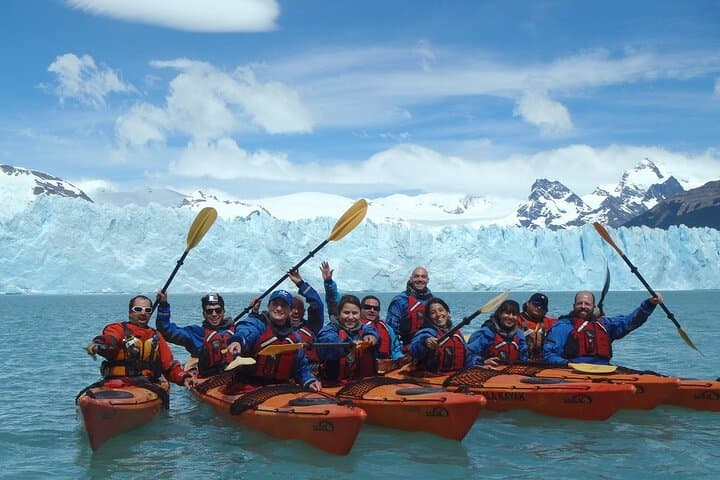
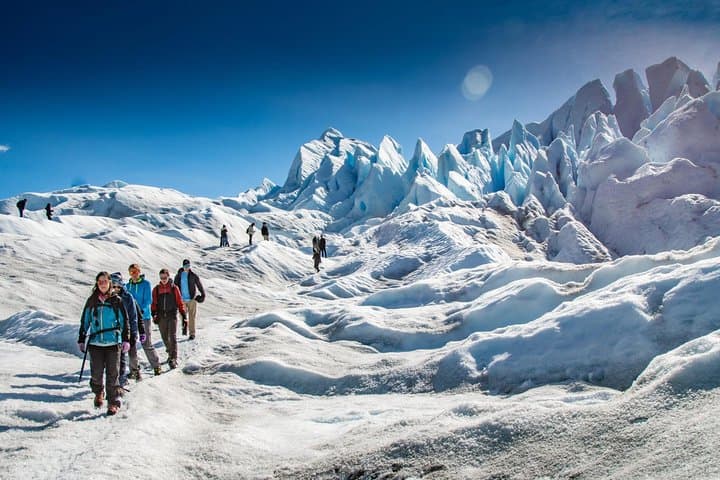
Designated to conserve native ecosystems and the cultural heritage of the Kawésqar, the reserve offers a wilderness experience rarely impacted by human development. Recreational opportunities here revolve primarily around kayaking, boating, wildlife watching, and trekking through untouched forest trails. The reserve has no developed infrastructure for mass tourism, making it a destination for skilled adventurers and nature enthusiasts seeking solitude, spectacular scenery, and encounters with unique wildlife. Nearby landmarks include the intricate network of channels and fjords connected by the Pacific Ocean and Patagonian archipelagos.
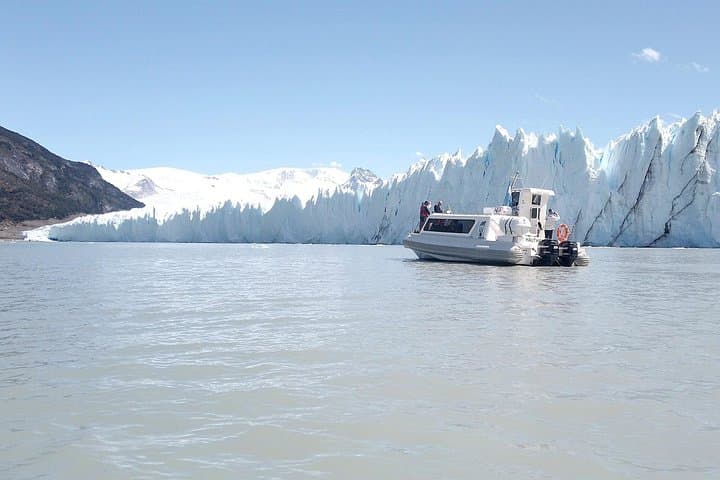
Visitors must plan carefully due to limited access: most arrive via boat or expedition vessels from Puerto Natales or Punta Arenas. The reserve underscores vital conservation goals, safeguarding fragile ecosystems and the indigenous legacy amid the dynamic landscapes of Patagonia’s southern coast.