Wilderness Landscape & Natural Heritage
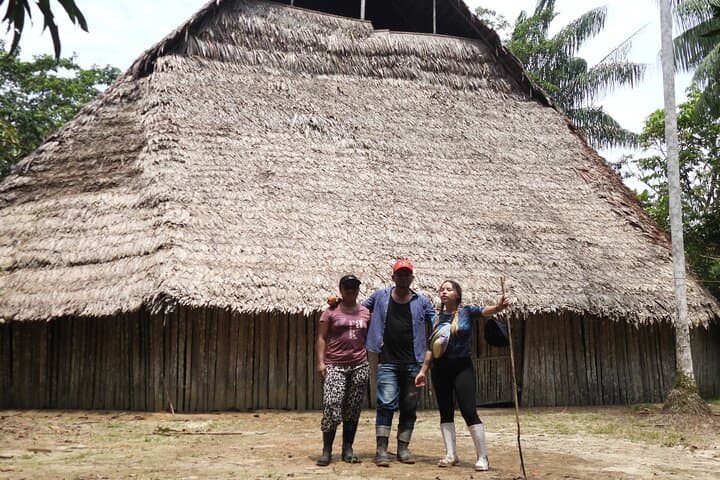
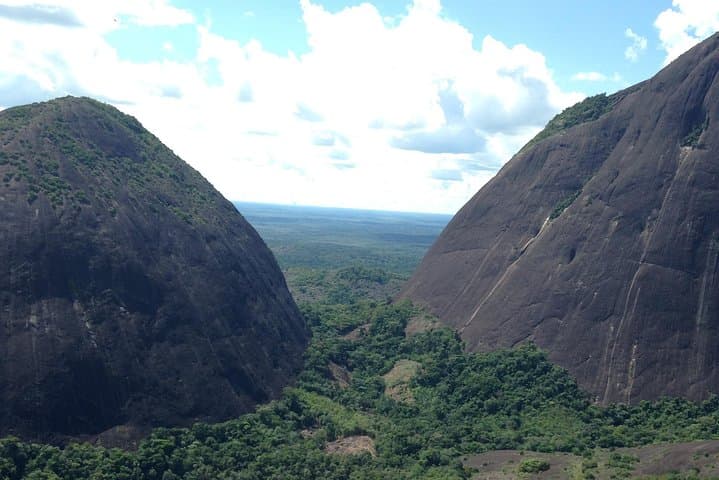
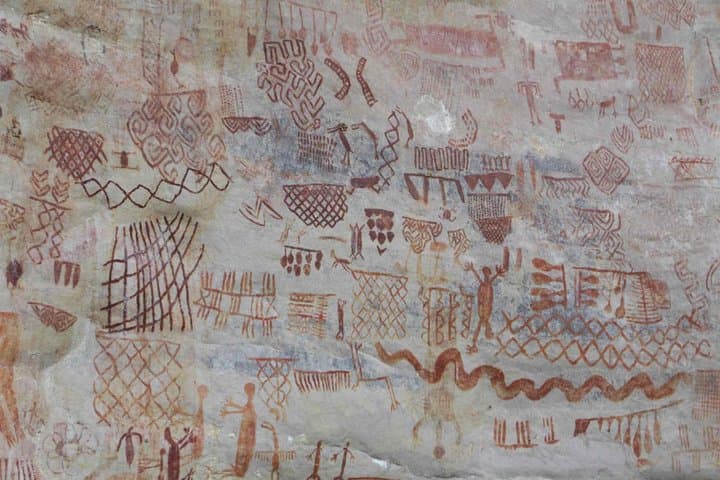
Puinawai Natural National Park, located in the Guainía department of Colombia, is one of the country's most extensive and least disturbed natural areas, spanning over 7 million acres (around 2.8 million hectares) of Amazonian rainforest. Established in 1989, the park encompasses a variety of diverse ecosystems including dense tropical forests, extensive river systems, swamps, and pristine savannas. The park is situated along the border with Venezuela, featuring the Vaupés and Isana rivers that support a rich aquatic environment. The remote, rugged terrain and limited human presence have safeguarded countless species of flora and fauna, many of which are rare or endemic, such as jaguars, giant otters, river dolphins, and a vast array of birdlife, insects, and fish. Puinawai is also home to several indigenous groups, including the Curripaco and Puinave peoples, who maintain traditional lifestyles deeply connected to the land.
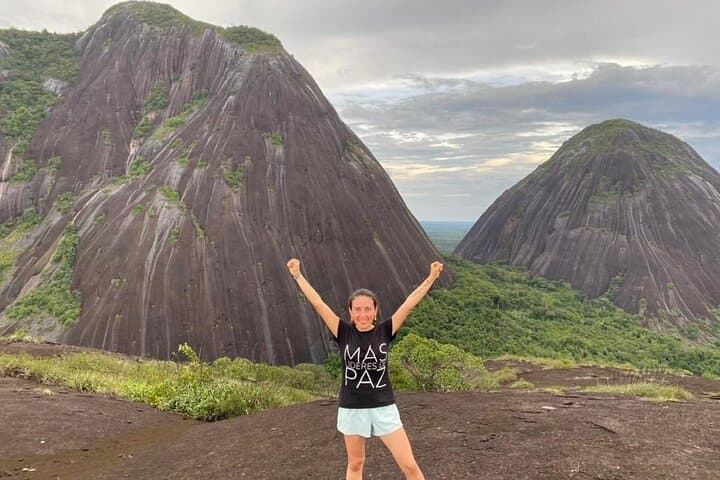
Visitors to Puinawai Natural National Park are typically researchers, indigenous peoples, and adventurous eco-tourists prepared for challenging jungle conditions. Recreational opportunities include guided jungle treks, birdwatching, river excursions, and cultural exchanges with native communities. The park's pristine rivers offer fishing, canoeing, and wildlife viewing, while the forest trails provide chances to witness the complexity of Amazonian biodiversity. The park's remoteness ensures solitude and raw wilderness, attracting those passionate about nature conservation and off-the-grid exploration. Visitor facilities are minimal, emphasizing low-impact travel and respect for indigenous territories. Overall, Puinawai exemplifies an unparalleled Amazonian wilderness experience, combining ecological richness with profound cultural heritage.