Wilderness Landscape & Natural Heritage
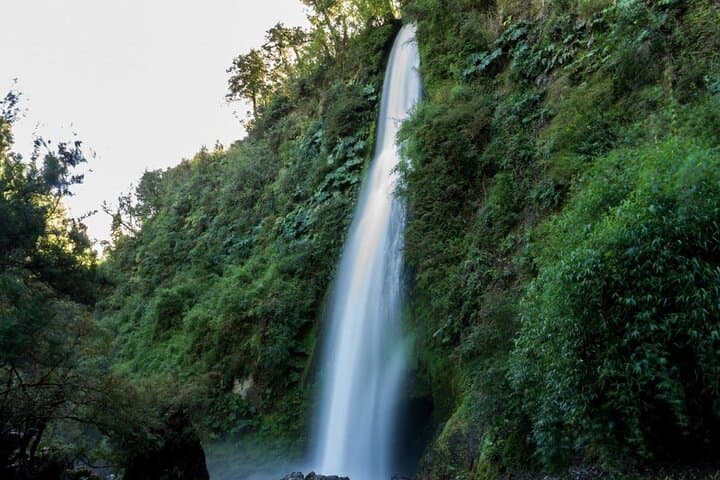
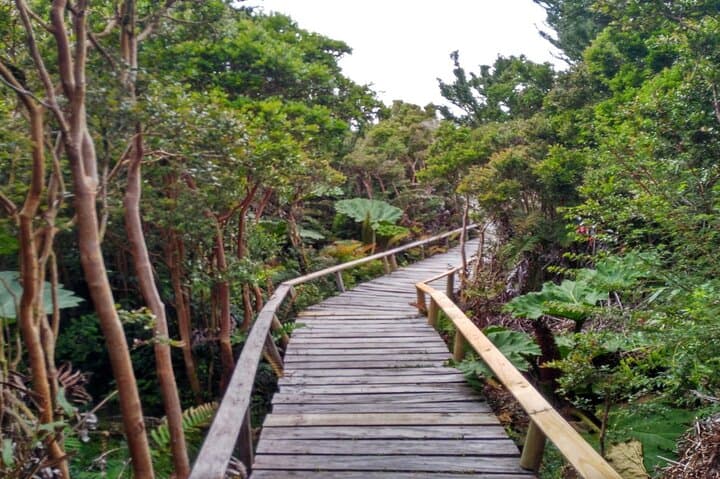
Established in 2018 and spanning over 398,000 acres, Pumalín Douglas Tompkins National Park is one of the largest and most ecologically significant protected areas in Chile. Nestled in the Northern Patagonian Andes of Los Lagos Region, the park features diverse landscapes including ancient temperate rainforests dominated by towering alerce (Patagonian cypress), lenga beech, and coihue trees. Its rugged terrains are punctuated by dramatic fjords, glacial lagoons, cascading waterfalls, and snow-capped peaks, creating breathtaking vistas at every turn. The park is home to a rich array of wildlife including endangered species such as the South Andean deer (huemul), puma, and various rare bird species, providing unique wildlife viewing opportunities. Originating from the visionary conservation efforts of Douglas Tompkins, an American philanthropist and environmentalist, the park was created through the donation of private lands and their integration into Chile’s national park system, preserving an essential corridor for biodiversity and ecological connectivity. Outdoor enthusiasts can explore over 100 miles of hiking trails catering to all skill levels, including the scenic Volcán Chaitén trail and the coastal vistas on the Carretera Austral route. Activities such as camping, fishing, mountain biking, kayaking, and photography are popular year-round. The park’s remote location and relatively low visitor numbers offer a tranquil wilderness experience far from urban crowds, making it a bucket-list destination for lovers of wild nature and Patagonia’s iconic beauty.