Wilderness Landscape & Natural Heritage
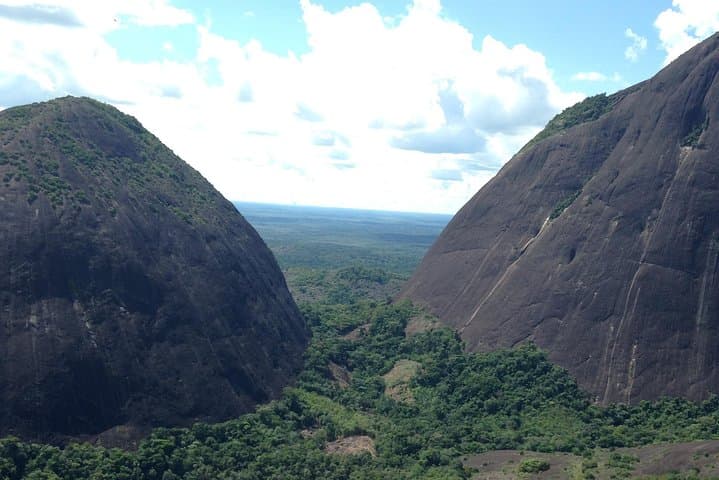
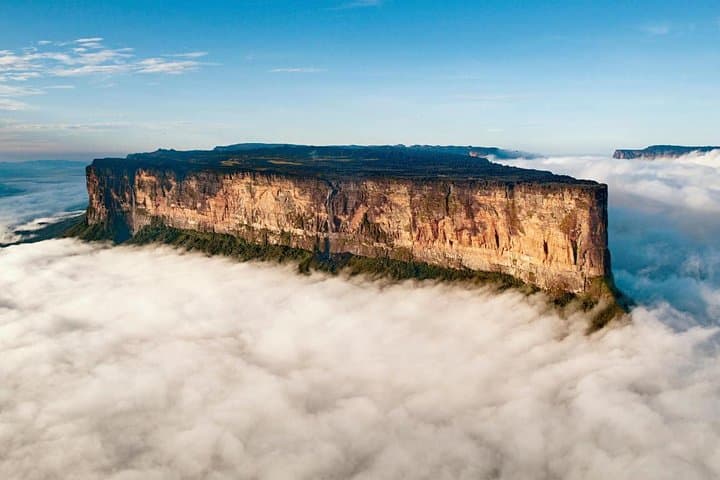
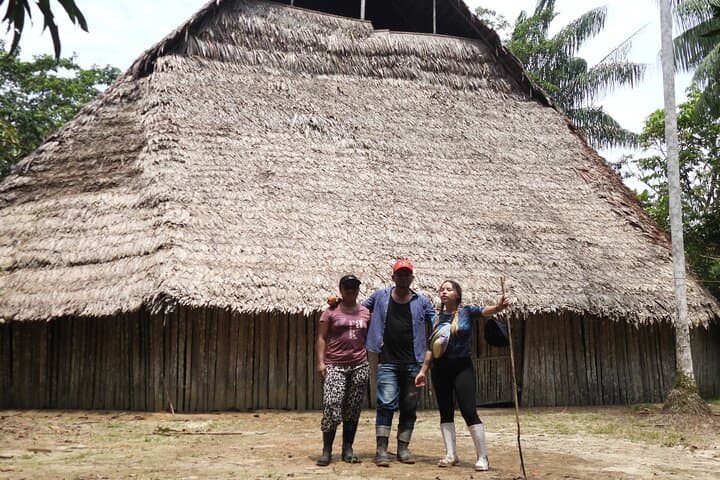
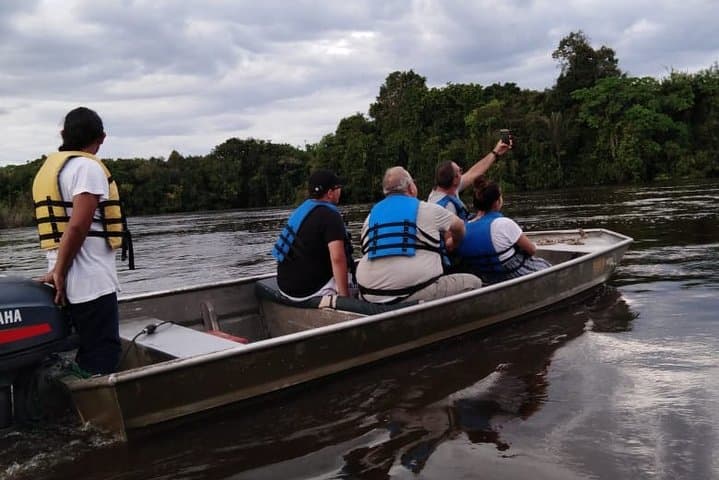
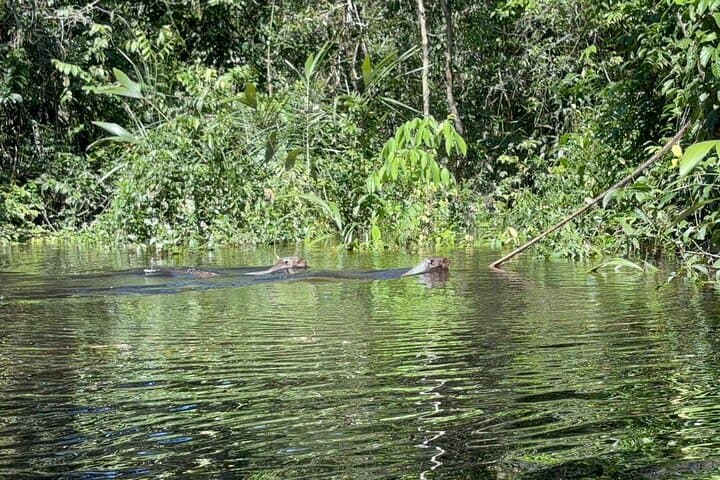
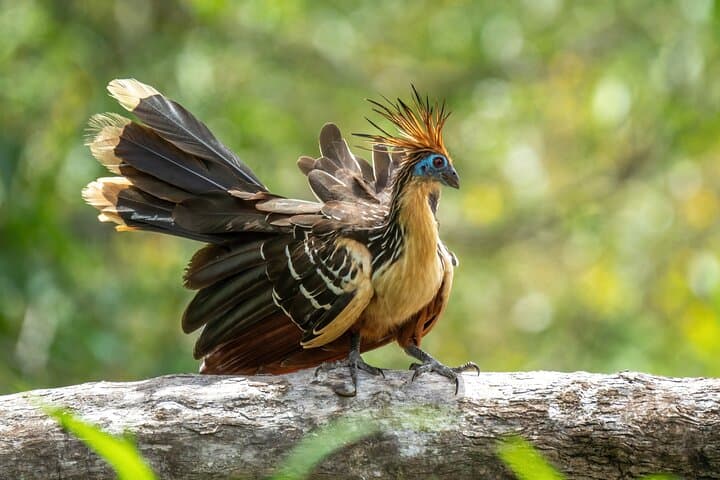
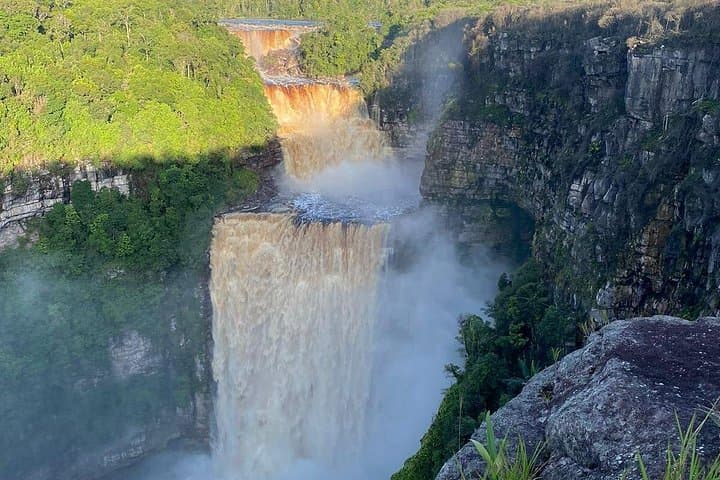
Parima-Tapirapeco National Park, established in 1991, is one of the largest protected areas in Venezuela, encompassing over 3.3 million acres of the Amazon rainforest. Located in the southern state of Amazonas near the border with Brazil, the park protects a mosaic of tropical rainforest, savannas, and mountainous tepuis. Its remote location and minimal human impact make it an ecological haven with extraordinary biodiversity, including jaguars, giant otters, tapirs, and countless bird species. The park also serves as a critical watershed area for several rivers that flow into the Orinoco Basin. Indigenous peoples, primarily the Yanomami and other groups, inhabit areas within and around the park, maintaining traditional lifestyles deeply connected to the land. Visitors can experience unparalleled wilderness trekking, wildlife observation, and cultural encounters, although access is challenging and typically requires coordination with local communities or authorized guides. The park’s notable geographical landmarks include the Parima and Tapirapeco mountain ranges and the source of the Orinoco River. Due to its ecological significance and cultural importance, Parima-Tapirapeco plays a crucial role in conserving Amazonian biodiversity and indigenous heritage. Its remote trails, river excursions, and the chance to witness one of South America's most intact rainforests offer a unique opportunity for adventurous travelers seeking immersion in untouched natural environments.