Wilderness Landscape & Natural Heritage
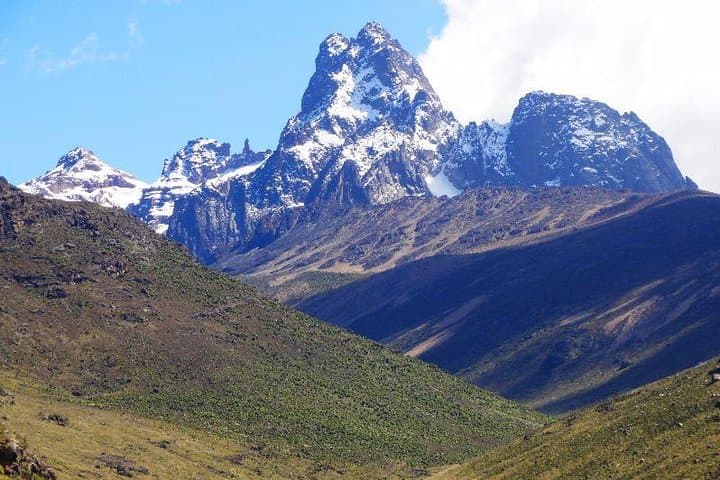
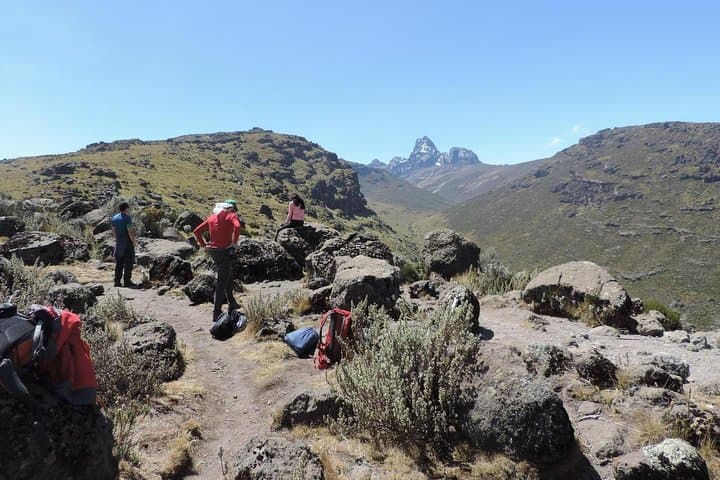
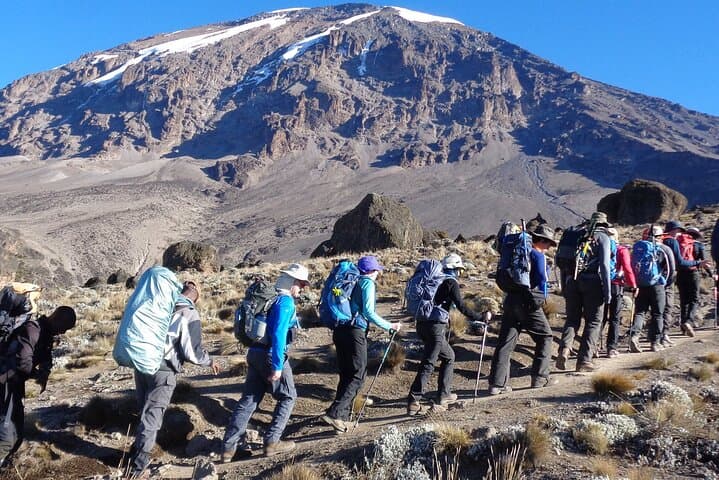
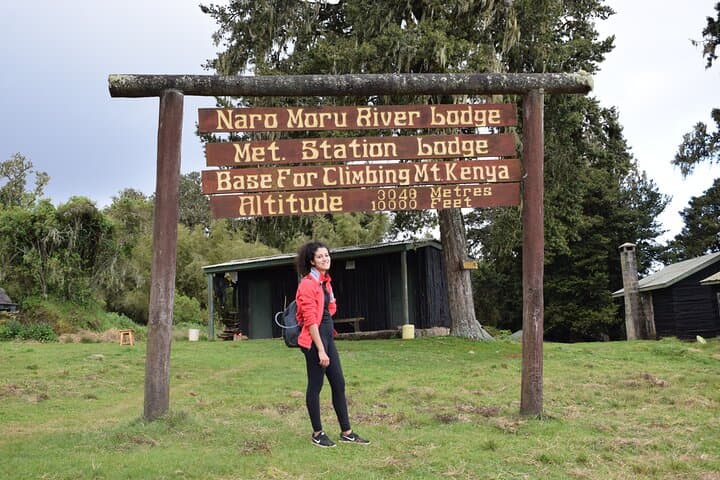
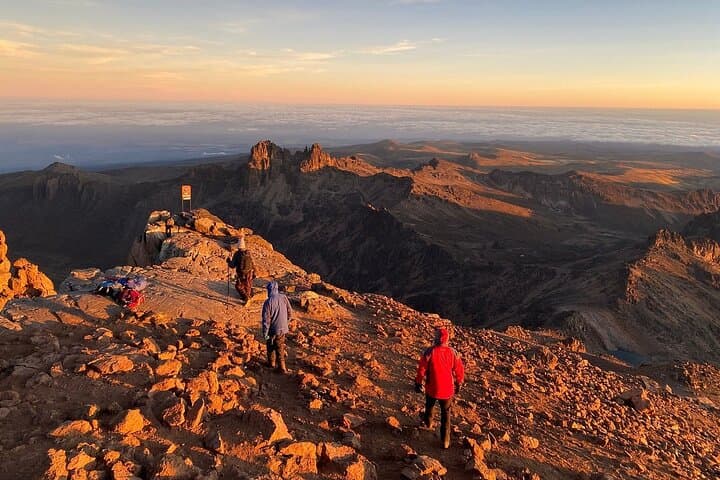
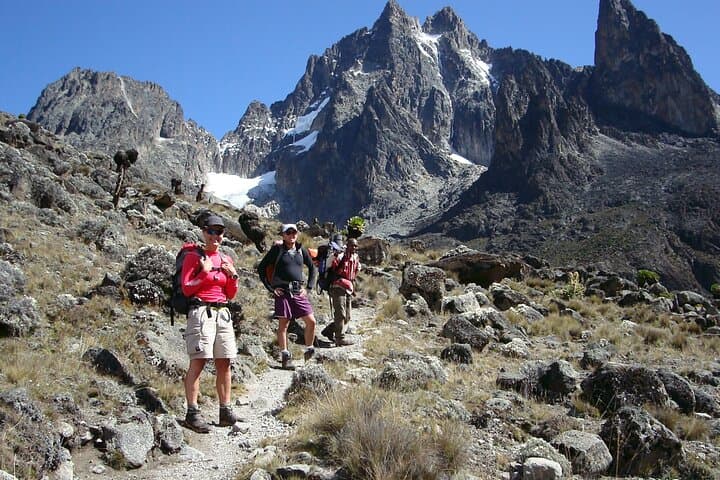
Mount Kenya National Park, established in 1949 and designated a UNESCO World Heritage Site in 1997, preserves the ecological and geological features surrounding Mount Kenya, Africa's second tallest mountain at 5,199 meters (17,057 feet). The park covers diverse habitats ranging from bamboo forests and afro-alpine moorlands to glaciers and volcanic rock formations. The mountain itself is an extinct stratovolcano with multiple summits, including Batian and Nelion, notable for their technical climbing routes attracting mountaineers worldwide. The park's ecosystems provide habitat for species such as elephants, buffalos, meru oak, giant groundsels, and the rare Mount Kenya primates. Visitors can enjoy multi-day trekking routes to remote valleys, alpine meadows, and glaciers, as well as cultural experiences with indigenous local communities like the Kikuyu and Maasai. Major trailheads include Naro Moru, Chogoria, and Sirimon, each offering varying difficulty levels and unique scenic views. The park’s climatic conditions range from cool and wet lower forests to freezing alpine zones that support rare flora and fauna adapted to harsh environments. Mount Kenya’s landscapes also serve as an important water catchment area, feeding major rivers in East Africa. Visitor appeal stems from opportunities for hiking, mountain climbing, wildlife viewing, and photography amidst dramatic terrain. The park is also an area of scientific interest due to its geological history and diverse ecosystems rich in endemic species.