Wilderness Landscape & Natural Heritage
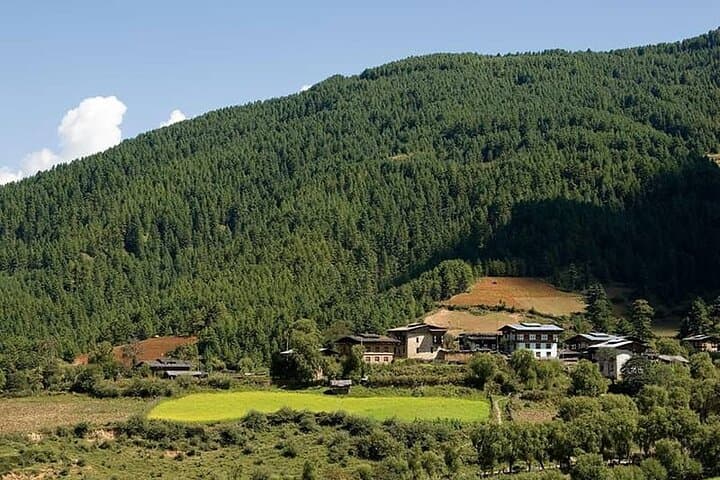
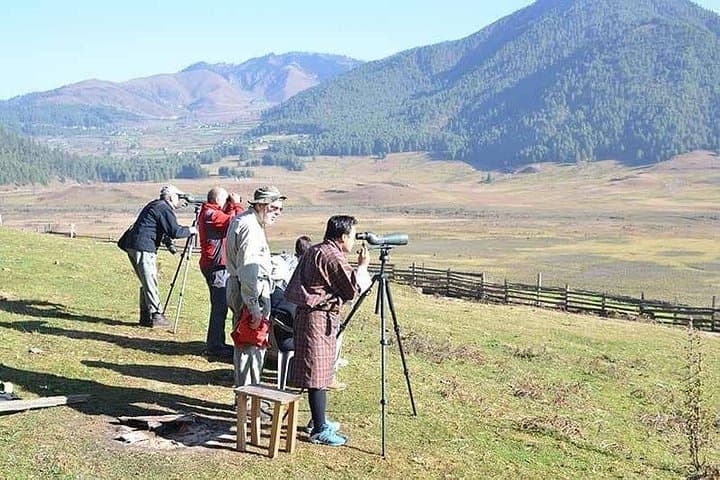
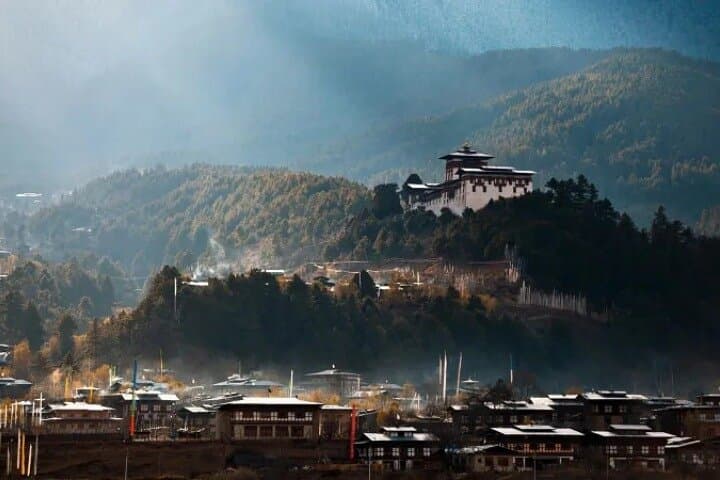
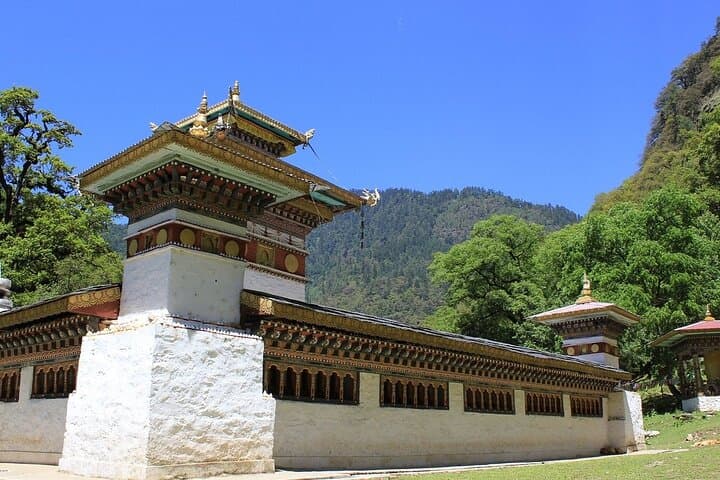
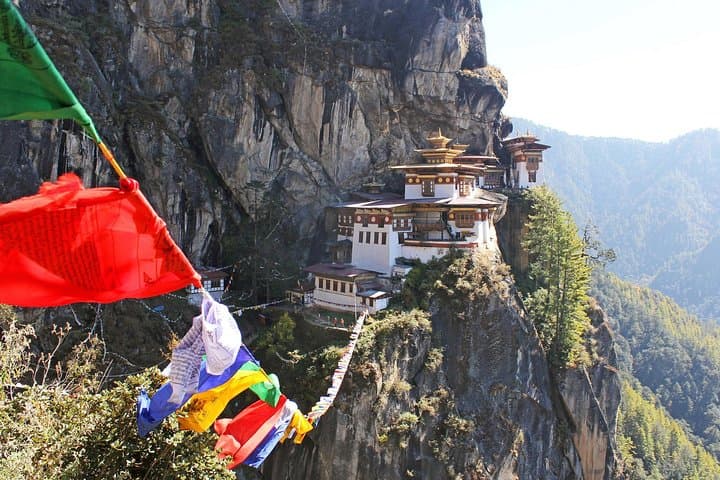
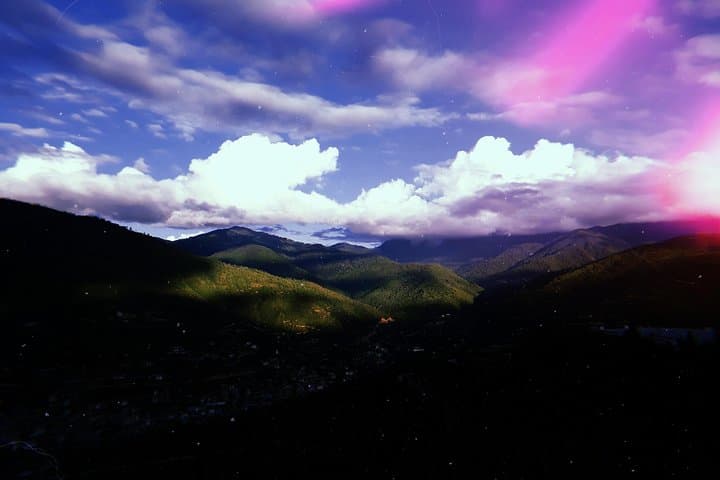
Jigme Singye Wangchuck National Park, covering over 1,730 square kilometers in central Bhutan, stretches across distinct eco-regions that include broadleaf forests, coniferous woodlands, alpine meadows, and pristine river valleys. The park extends from subtropical zones at lower elevations to alpine zones above 5,000 meters, presenting significant ecological diversity. It is home to rare and endangered species such as the Bengal tiger, snow leopard, red panda, and Bhutan takin. Historically, this park was established in 1995 and named after the revered fourth king of Bhutan in recognition of his conservation efforts. Key landmarks include the 7,000-meter high Jomolhari mountain on the border with Tibet, numerous sacred temples, and ancient pilgrimage sites linked to Bhutanese Buddhism. Visitors have opportunities to engage in multi-day trekking, birdwatching, cultural tours of traditional villages, and river fishing. The park is connected to other protected regions, enhancing Bhutan’s network of wildlife corridors. Trekking routes like the Laya Gasa Trail provide access to remote Himalayan settlements and spectacular views. As a protected area balancing community livelihoods and conservation, it also features eco-tourism initiatives ensuring minimal environmental impact. The park appeals to travelers looking for immersion in nature, wildlife encounters, and insight into Bhutan’s spiritual heritage.