Wilderness Landscape & Natural Heritage
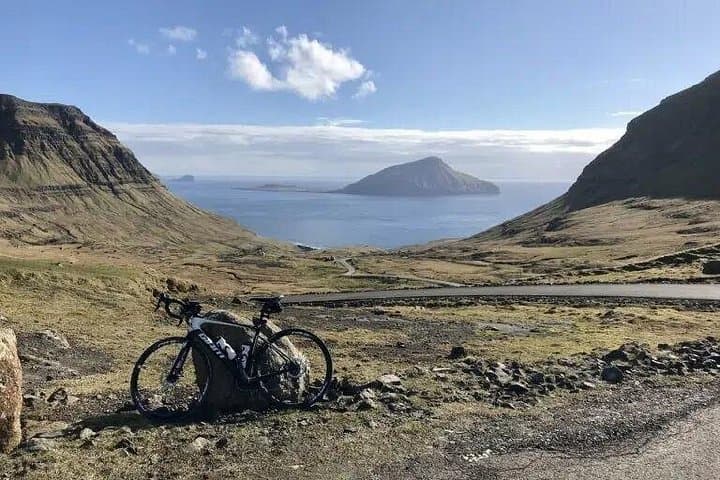
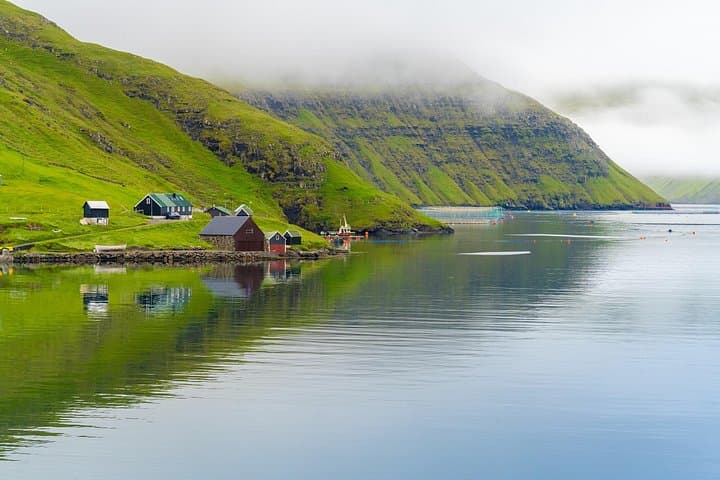
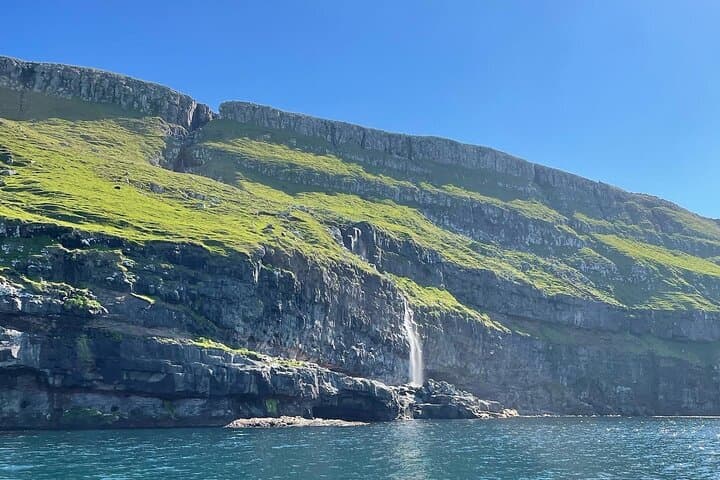
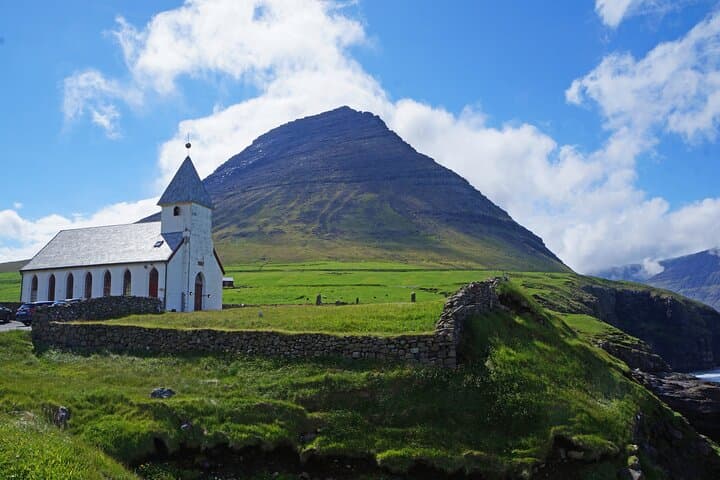
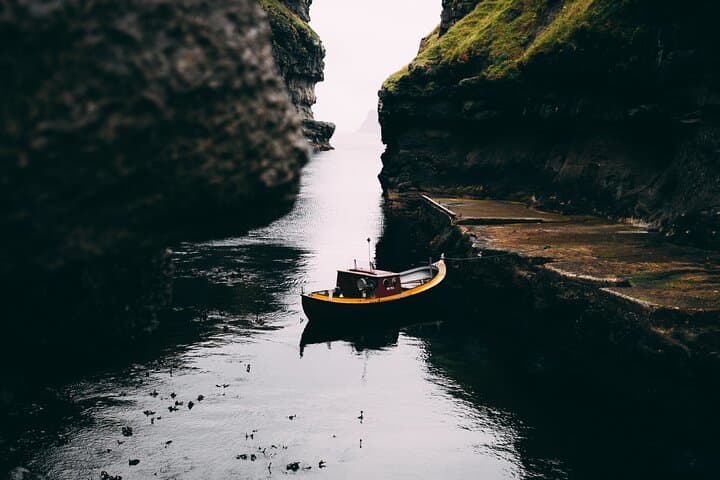
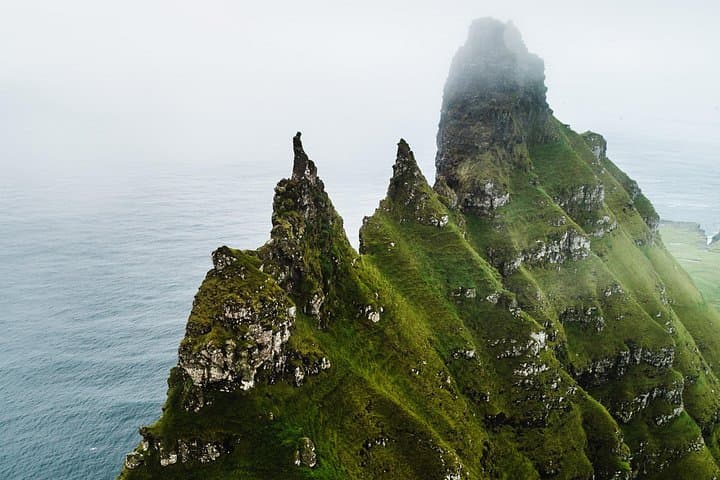
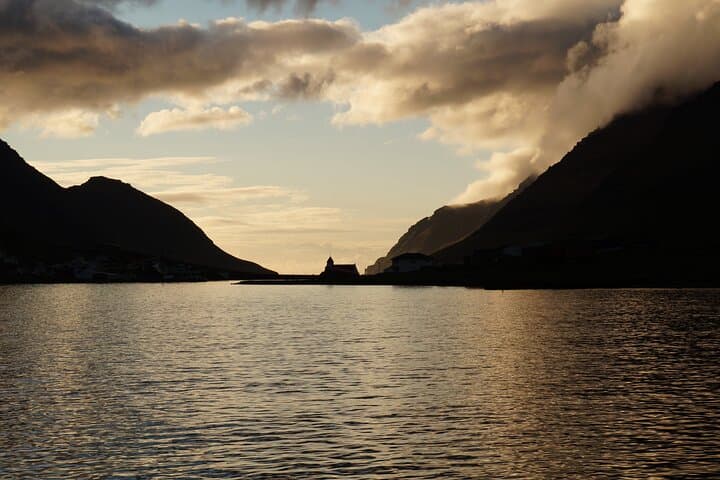
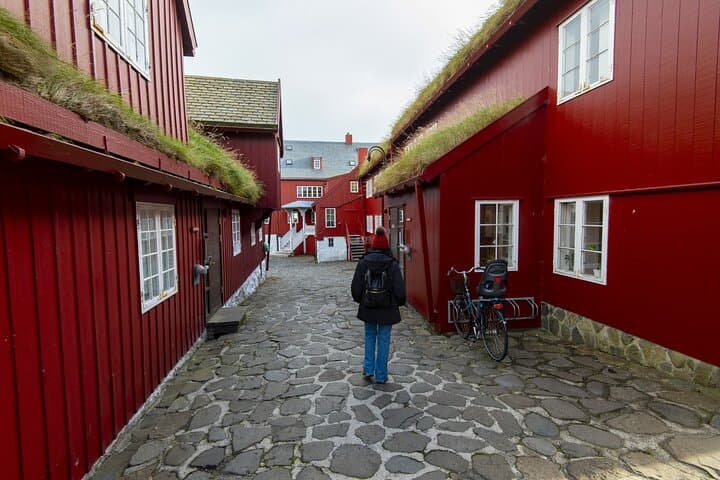
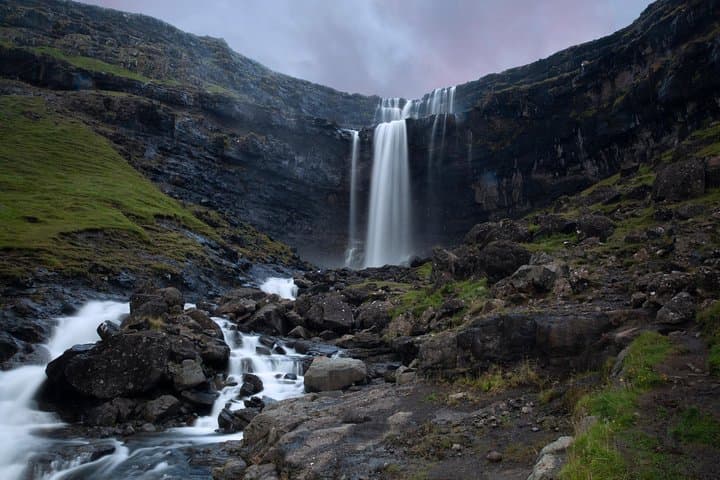
Faroe Islands National Park encompasses a sweeping collection of some of the most extraordinary landscapes in the North Atlantic, situated in the remote archipelago of the Faroe Islands between Iceland and Norway. The park covers extensive mountainous terrains, steep fjords, rolling heathlands, and dramatic sea cliffs rising sharply from the ocean. This protected area showcases a unique blend of Arctic and Atlantic ecosystems, featuring abundant seabird colonies including puffins, guillemots, and kittiwakes. The flora is predominantly made up of hardy grasses, mosses, and small flowering plants adapted to a cool and windy maritime climate. Historically, the islands have been settled since Viking times, with cultural sites and traditional Faroese villages scattered near the park boundaries. Visitors are drawn by a variety of recreational opportunities such as multi-day hiking routes across the islands’ peaks, boat tours to hidden sea caves, and photography of the breathtaking vistas. Notable landmarks include the iconic cliffs of Trøllkonufingur and the elevated village of Gjógv, famed for its natural harbors and quaint charm. The park’s isolation and limited infrastructure ensure a pristine, wild experience that emphasizes low-impact tourism and wildlife conservation. Seasonal changes bring varied weather conditions, with spring and summer offering the best conditions for trekking and wildlife observation. Faroe Islands National Park exemplifies a remarkable combination of natural and cultural heritage, providing outdoor enthusiasts with an unforgettable encounter with North Atlantic wildness.