Wilderness Landscape & Natural Heritage
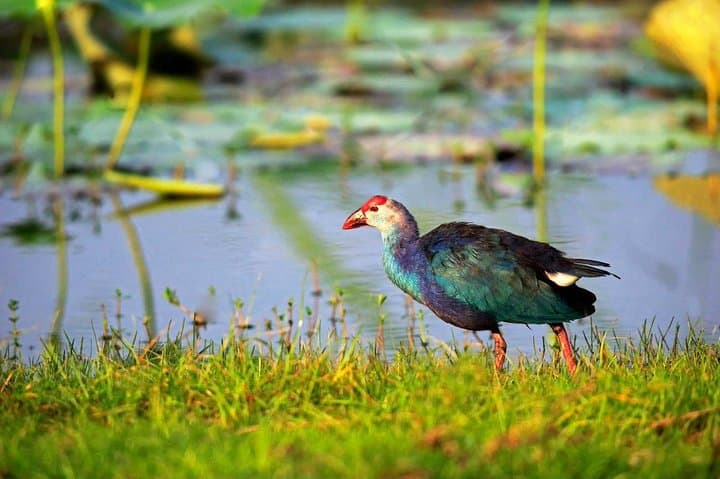
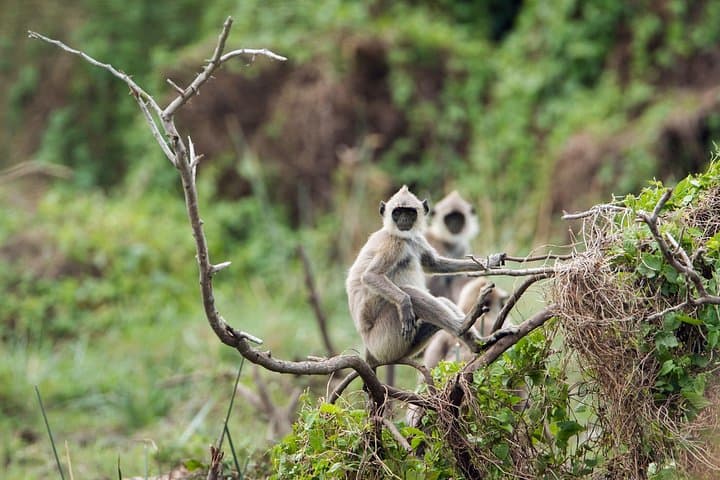
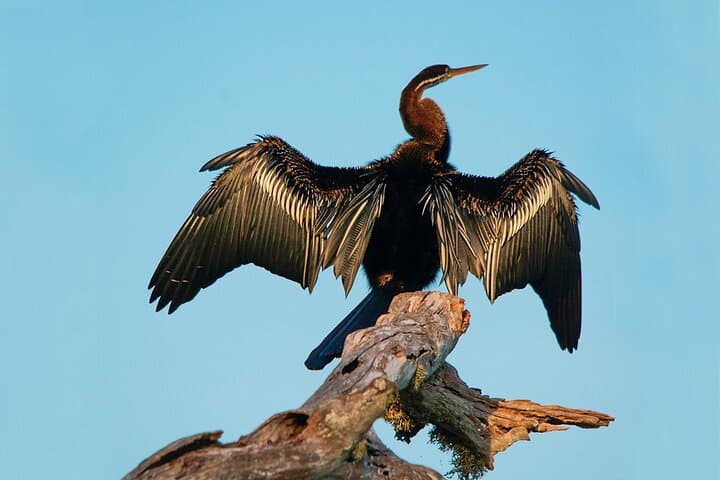
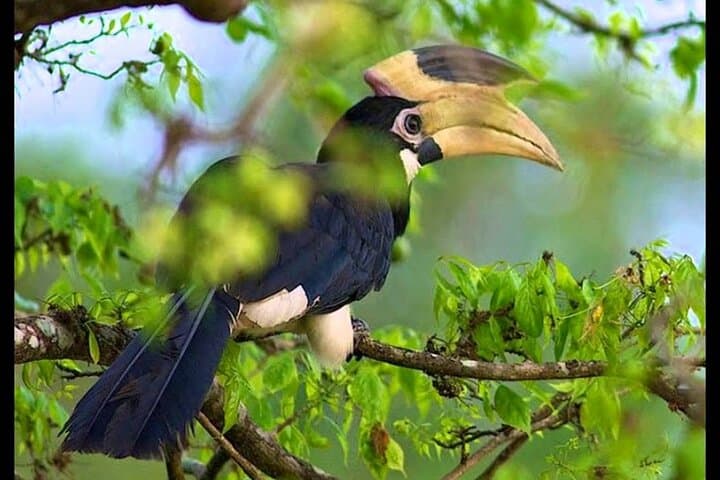
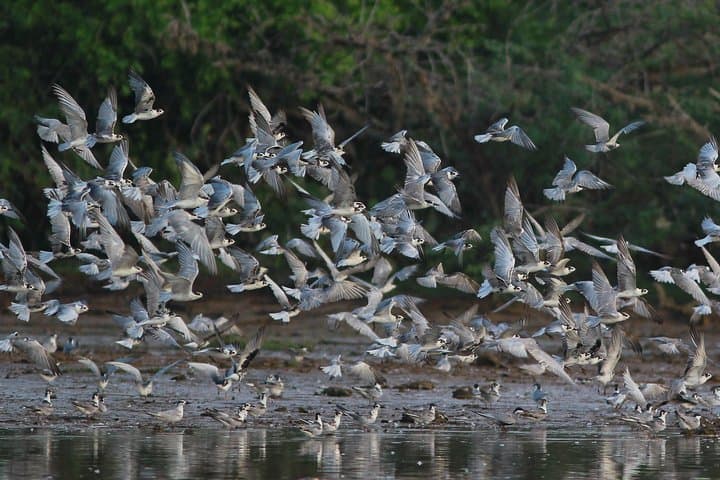
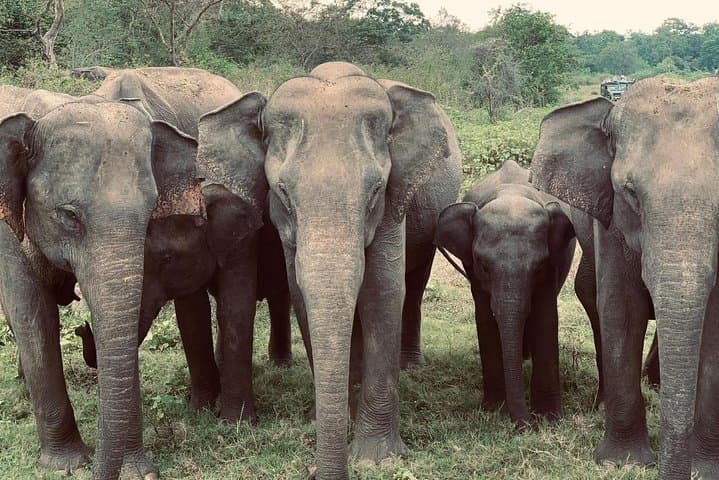
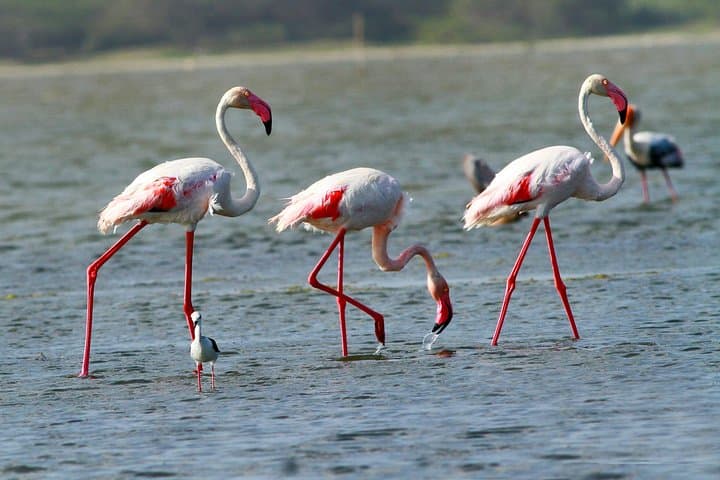
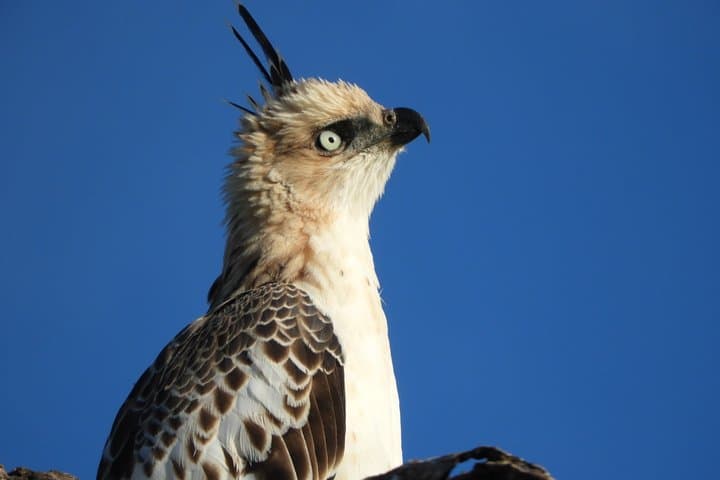
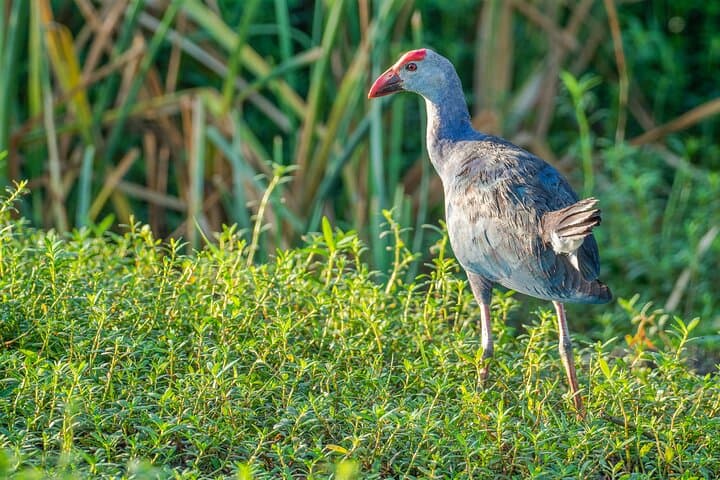
Bundala National Park, located in the southeastern part of Sri Lanka near the town of Kataragama, covers a diverse ecosystem of dry plains, wetlands, mangroves, and coastal ecosystems. The park is internationally recognized under the Ramsar Convention as an important wetland of global significance. Its unique geography includes large saltwater lagoons, freshwater marshes, and scrublands that support a wide range of flora and fauna. Bundala is especially famous for its birdlife, attracting large numbers of migratory birds such as flamingos, storks, pelicans, and spoonbills during the dry season. In addition to birds, the park also provides habitat for elephants, crocodiles, turtles, and mudskippers. Established as a national park in 1993, Bundala plays a key role in Sri Lanka's conservation efforts and serves as a refuge for threatened species like the dugong. Visitors to Bundala can enjoy guided safaris in jeeps to explore the wetland lagoons, birdwatching tours, and nature photography. The park's varied habitats offer opportunities to observe the interaction between land and water ecosystems. Accessibility from the nearby town of Hambantota makes it a popular destination for ecotourism. Its juxtaposition of arid landscapes with thriving waterbird populations makes it a fascinating destination for wildlife enthusiasts and naturalists alike.