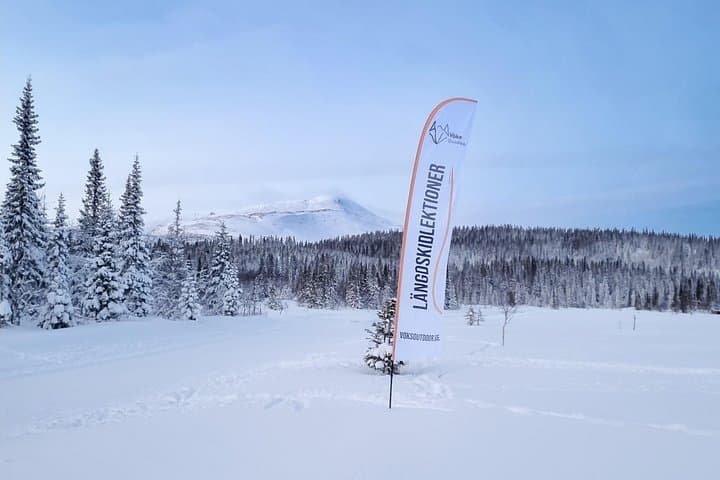
Wilderness Landscape & Natural Heritage
Blåfjella-Skjækerfjella National Park, established in 2004, is one of Norway’s largest national parks, covering a rugged and extensive portion of the Trøndelag region. Spanning over 1,900 square kilometers, the park features a varied landscape of high mountain plateaus, deep valleys, rivers, and old-growth forests. Its geography is characterized by steep slopes, a mixture of coniferous and birch forests, and expansive wetlands interspersed with clear lakes and rivers, offering a pristine habitat for a wide range of flora and fauna. The park is notable as an important sanctuary for large mammals such as moose, lynx, wolverine, and the elusive Arctic fox, as well as various bird species including golden eagles and grouse. Hikers are drawn to the park’s well-maintained trails and cabin network, which enable multi-day trekking routes through spectacular scenery and peaceful wilderness. Fishing enthusiasts find plentiful trout and char in the park’s pure streams and lakes. The combination of varied ecosystems, cultural heritage linked to Sami reindeer herding, and minimal human impact make it a treasured conservation area. Key landmarks include the Blåfjella and Skjækerfjella mountain ranges, which offer panoramic views and challenging trekking routes. Visitors appreciate the park’s remote, unspoiled nature and the opportunity to immerse themselves in the quiet beauty of Norway’s interior wildlands.