Wilderness Landscape & Natural Heritage
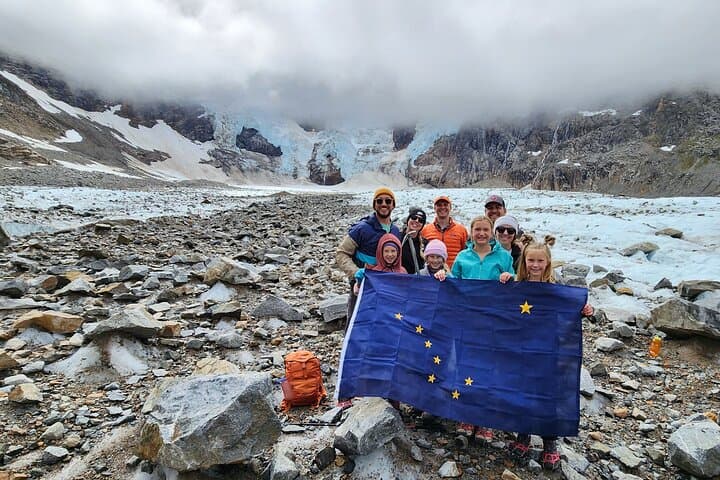
Chilkoot Trail National Historic Site is a 33-mile (53 km) historic trail that links Dyea, Alaska, to Bennett, British Columbia, Canada. The trail was a key route during the 1897-1898 Klondike Gold Rush, used by thousands of stampeders traveling to the Yukon gold fields. The trail traverses diverse environments including coastal temperate rainforest, subalpine meadows, and high mountain passes culminating at the Chilkoot Pass, which reaches an elevation of 3,500 feet (1,067 meters). Ecologically, the area supports a variety of wildlife, including black bears, mountain goats, marmots, and eagles, while dense old-growth forest surrounds the lower parts of the trail. The landscape is marked by historic features such as trail camps, stone steps hand-built by stampeders, and remnants of early 20th-century structures. Today, visitors experience the trail primarily as a multi-day hiking route, retracing the footsteps of prospectors while enjoying pristine wilderness scenery. The site is jointly managed by Parks Canada and the U.S. National Park Service, reflecting its transboundary significance. Hikers require permits to cross the international boundary and must be prepared for rugged conditions and rapidly changing weather. Key landmarks include the Chilkoot Pass itself, the Golden Stairs section, and the summit cabins. The trail offers a unique combination of cultural history and challenging outdoor adventure, drawing hikers interested in both heritage and wilderness trekking.