Wilderness Landscape & Natural Heritage
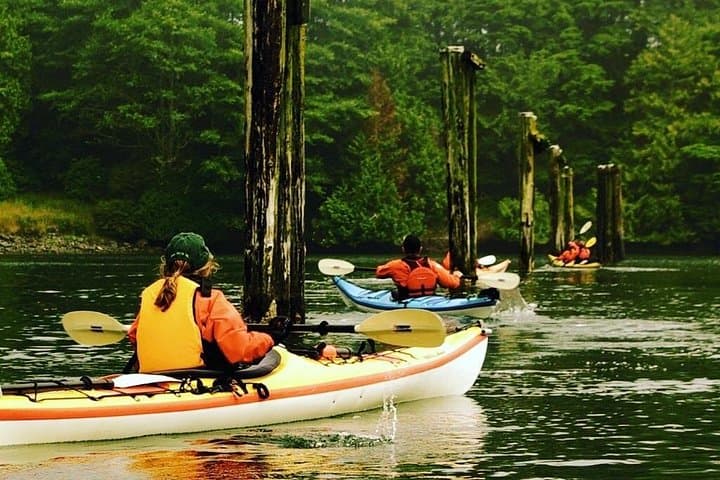
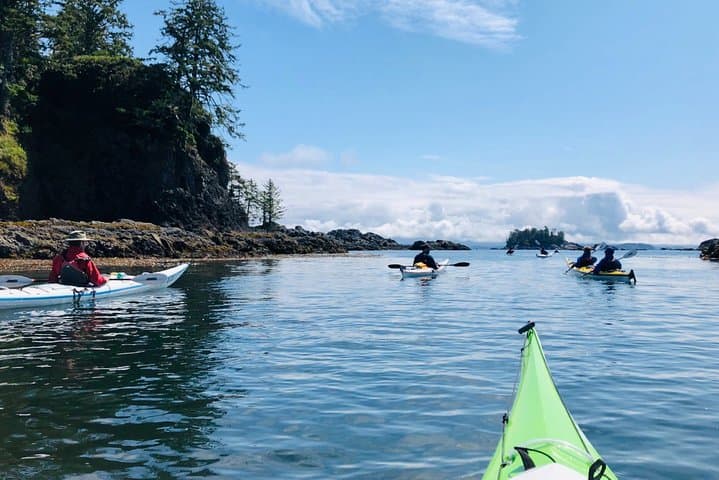
The Southwestern Vancouver Island Forest occupies a large portion of the island’s southwestern quadrant, covering a diverse range of ecosystems from old-growth coniferous forests to coastal bogs and estuaries. It is characterized by a predominance of towering Sitka spruce, Western red cedar, and Douglas-fir trees. The region is home to numerous endemic and salmonid species, including Roosevelt elk, black bears, cougars, and several species of salmon that spawn in the forest’s many streams and rivers. Historically, the area has been inhabited by Indigenous peoples such as the Nuu-chah-nulth, who have maintained cultural ties to the land for thousands of years. European settlers later exploited the forest for timber, leaving a legacy of logging roads and second-growth stands. Today, large tracts of protected forest and provincial parks conserve significant old-growth sections and provide habitat connectivity. The forest offers multiple recreation opportunities including backcountry hiking, wildlife photography, mountain biking, fishing, and paddling along estuaries and rivers. Notable landmarks include the Carmanah Walbran Provincial Park, known for some of the tallest trees in Canada, and the West Coast Trail which skirts the forest’s western shore. Visitors are drawn to the peaceful remoteness, the chance to witness ancient forest giants, and a variety of ecosystems that display the ecological richness of Vancouver Island’s southwest. Seasonal changes bring lush greenery and abundant wildlife in spring and summer, while mild winters encourage year-round exploration.