Wilderness Landscape & Natural Heritage
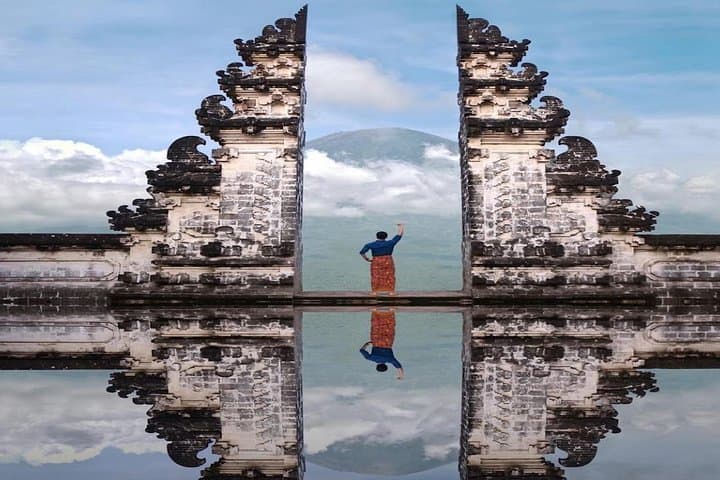
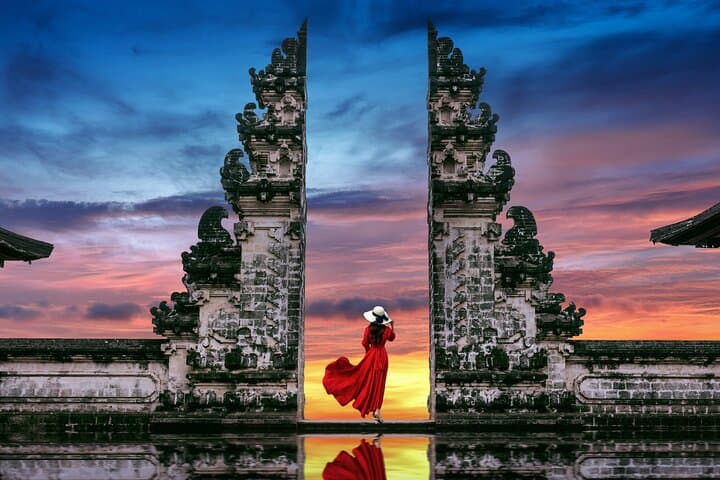
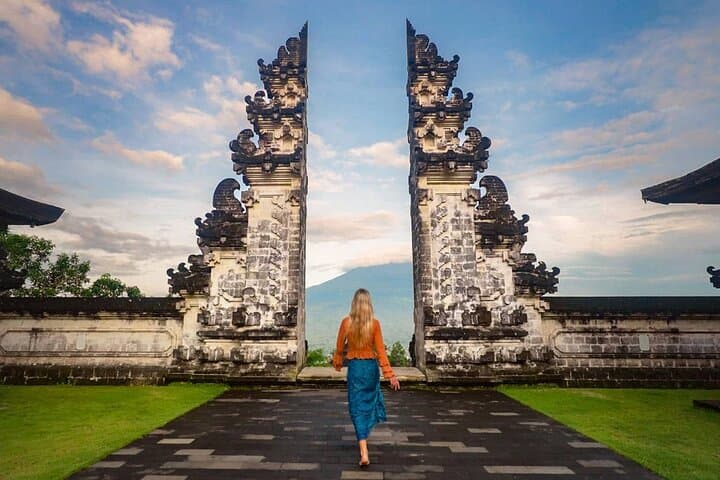
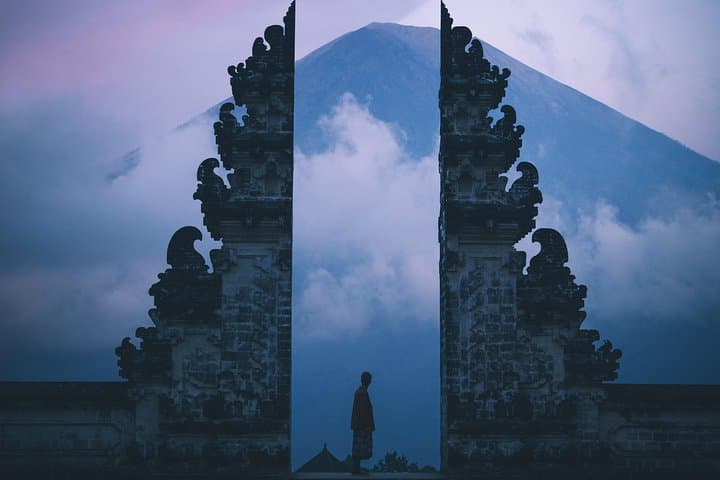
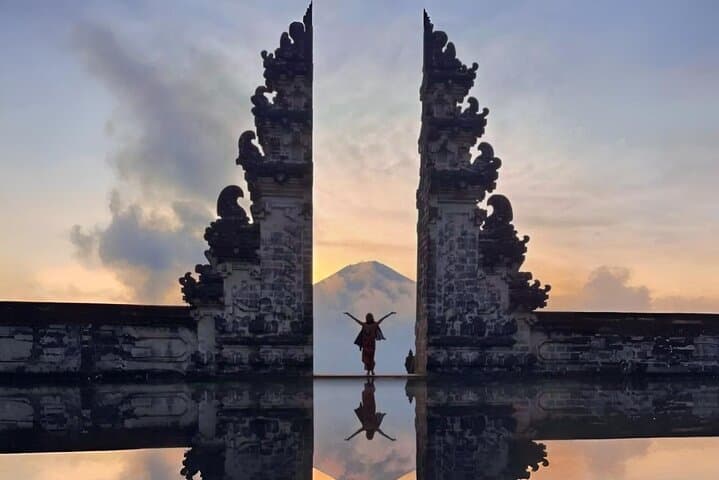
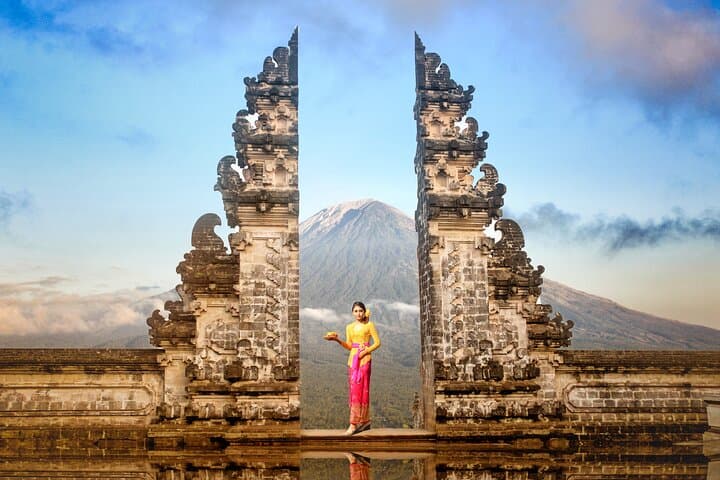
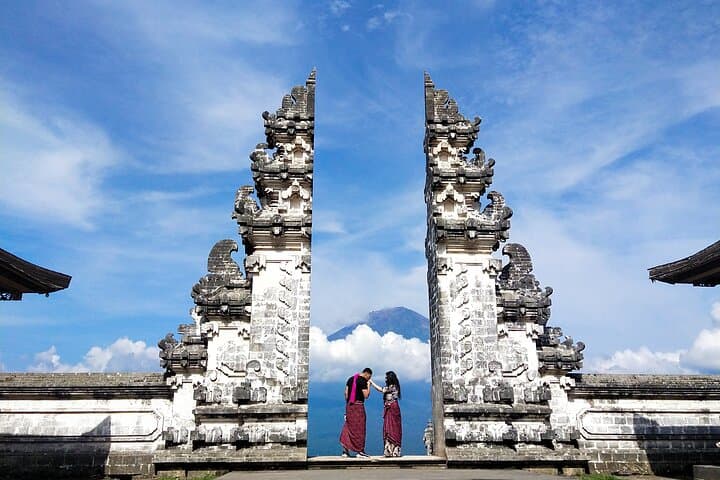
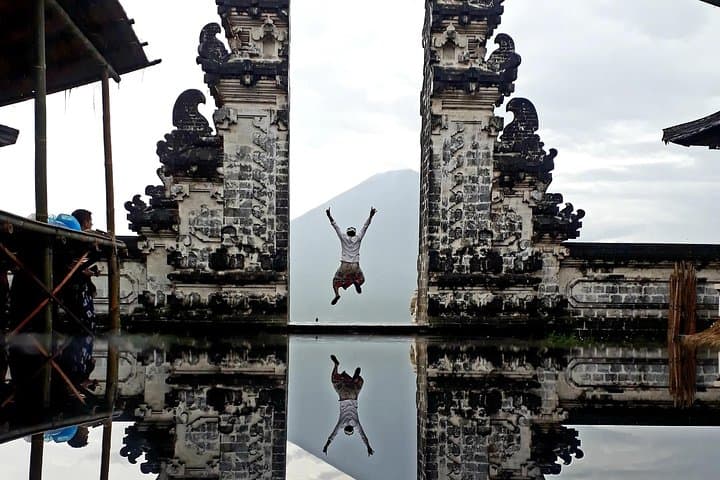
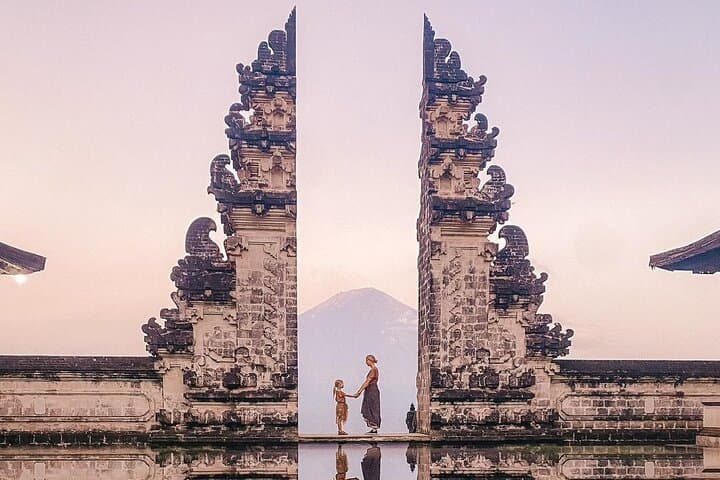
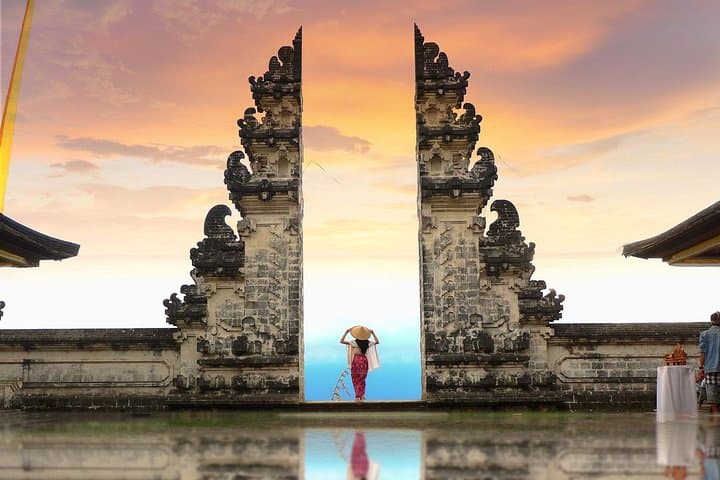
Mount Agung Protected Forest is a critical conservation area located on the eastern part of Bali, Indonesia. It encompasses the slopes of Mount Agung, Bali’s tallest volcano standing at 3,031 meters (9,944 feet). The forest protects diverse ecosystems ranging from dense tropical rainforests at lower elevations to montane forests and volcanic landscapes higher up. The area holds significant spiritual importance for local Balinese Hindus, who regard Mount Agung as a sacred mountain; major temples such as Pura Besakih, known as the 'Mother Temple,' are located on its slopes. Ecologically, the protected forest supports a variety of endemic and endangered species, including the Bali starling and other diverse birdlife, mammals, and unique flora adapted to the volcanic soil. Recreation opportunities focus heavily on trekking, with the challenging climb to the summit being a popular—and sometimes perilous—activity for visitors seeking panoramic sunrise views over Bali and neighboring islands. Trails wind through lush forest and volcanic crater areas, offering natural beauty and cultural encounters with traditional Balinese villages. The forest also plays a vital role in watershed protection for the region. Efforts to manage visitor impact and monitor volcanic activity remain ongoing, as Mount Agung is an active stratovolcano. Its rugged terrain and changing weather conditions require careful preparation, especially for those undertaking summit attempts. Overall, Mount Agung Protected Forest appeals to hikers, nature enthusiasts, photographers, and cultural travelers looking to experience Bali’s natural and spiritual heritage beyond its coastal beaches.