Wilderness Landscape & Natural Heritage
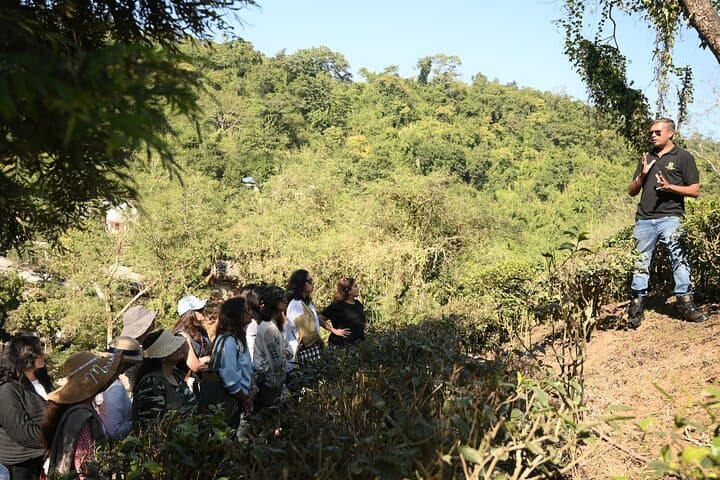
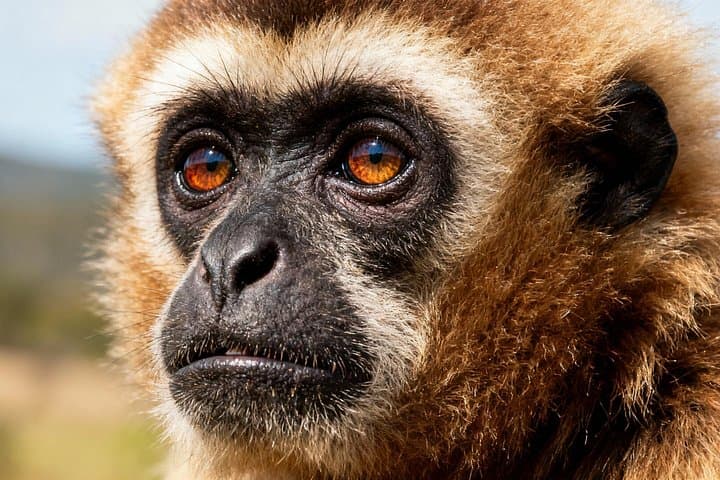
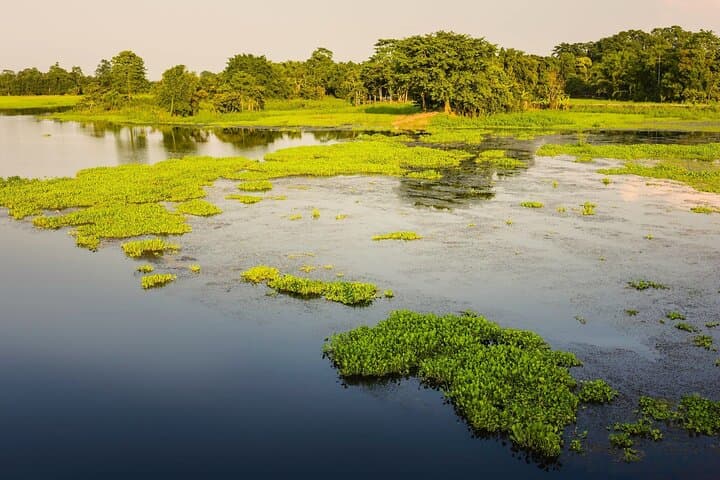
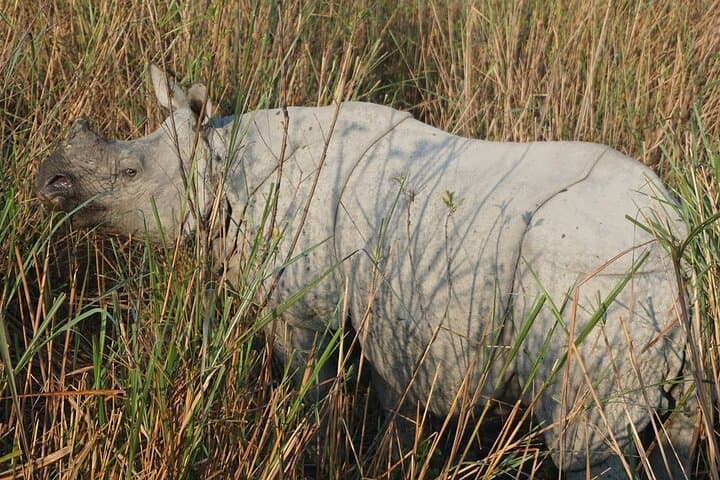
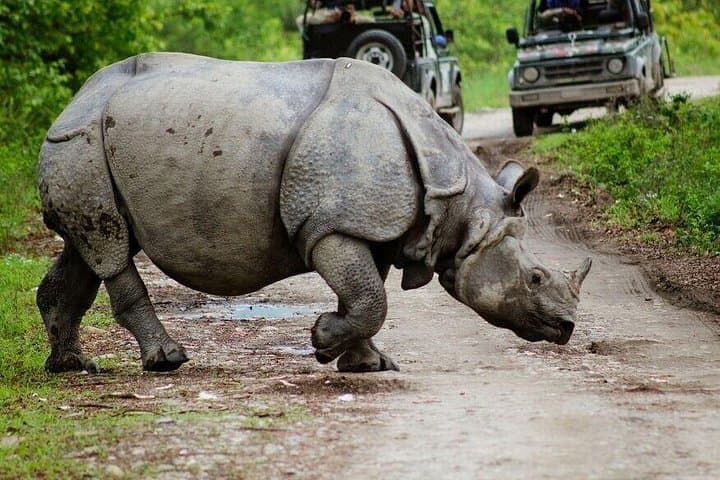
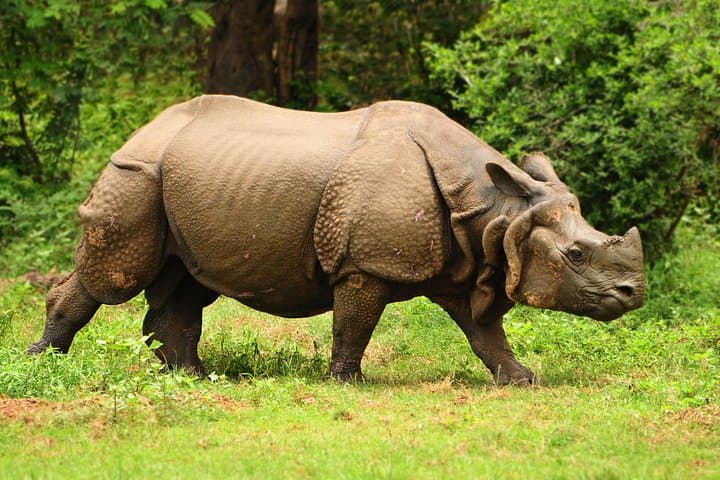
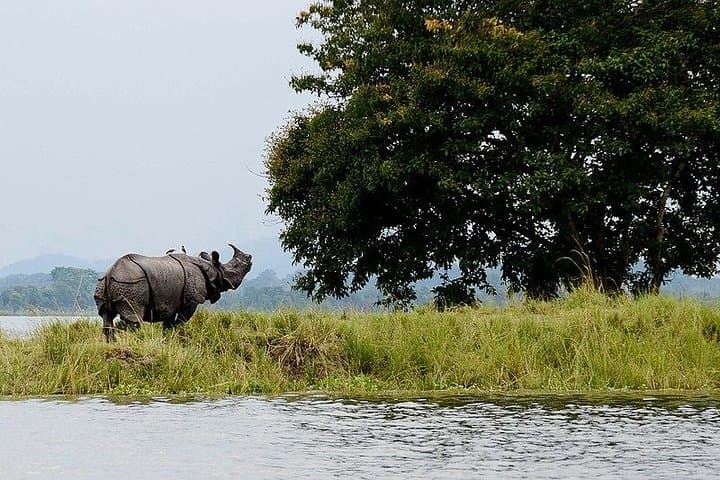
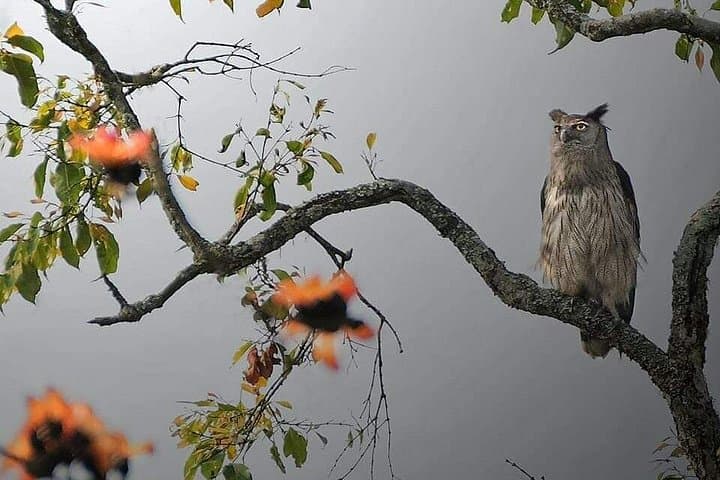
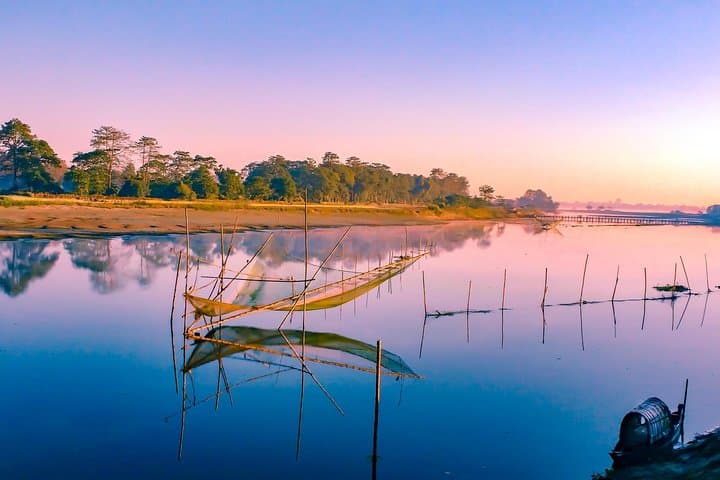
Molai Forest, located beside the Brahmaputra River in the state of Assam, India, stands as a compelling model of grassroots reforestation and ecological recovery. The forest was created by Jadav Payeng, a local forester and environmental activist, who began planting trees on a sandbar in 1979. Over several decades, this lone effort turned a barren stretch of land into a dense forest covering approximately 1,360 acres. The forest now supports a variety of trees, including bamboo, silk cotton, and other indigenous species, which in turn support diverse wildlife such as elephants, deer, tigers, and numerous bird species. Molai Forest’s transformation has helped stabilize the ecosystem against soil erosion and flooding, restoring habitat connectivity along the Brahmaputra. Visitors to the area can experience guided treks through the quiet green expanse, engage in birdwatching, and observe wildlife in their natural habitat. The forest’s unique origin story adds to its appeal, drawing ecotourists, conservationists, and outdoor enthusiasts who wish to witness the results of dedicated environmental stewardship. The expanding canopy and thriving ecosystem offer an immersive experience in one of India’s lesser-known but impactful natural areas. While infrastructure is minimal and the forest remains largely natural, it represents a powerful example of community-led conservation with growing recognition in the region and abroad.