Wilderness Landscape & Natural Heritage
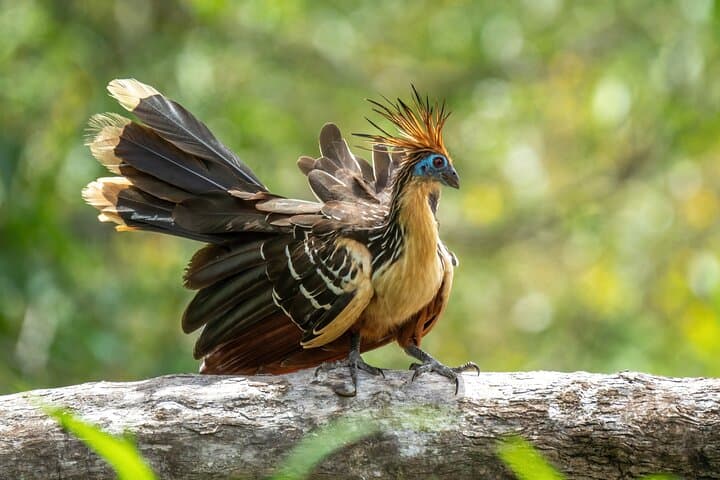
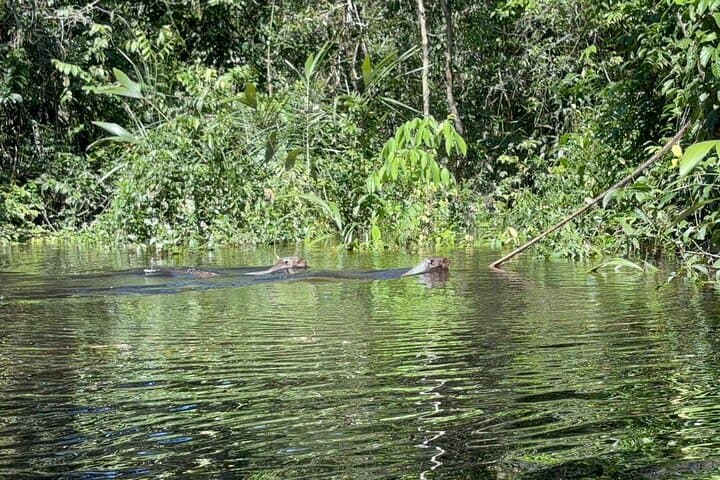
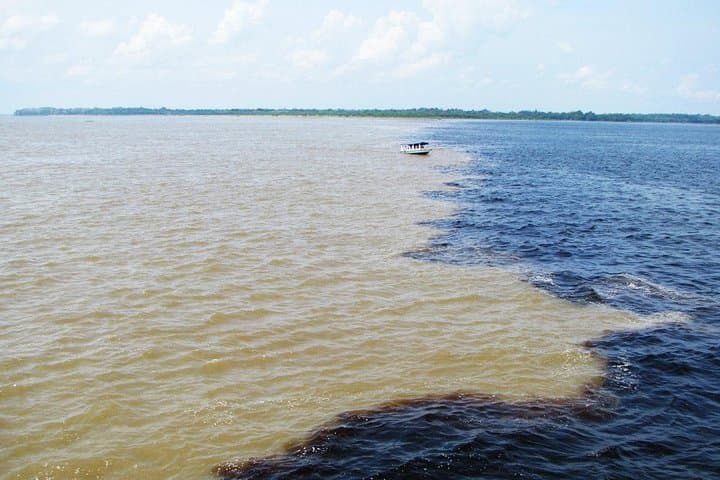
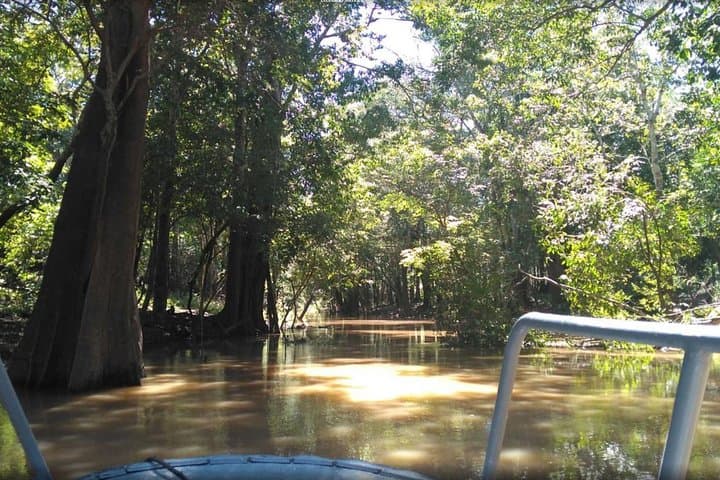
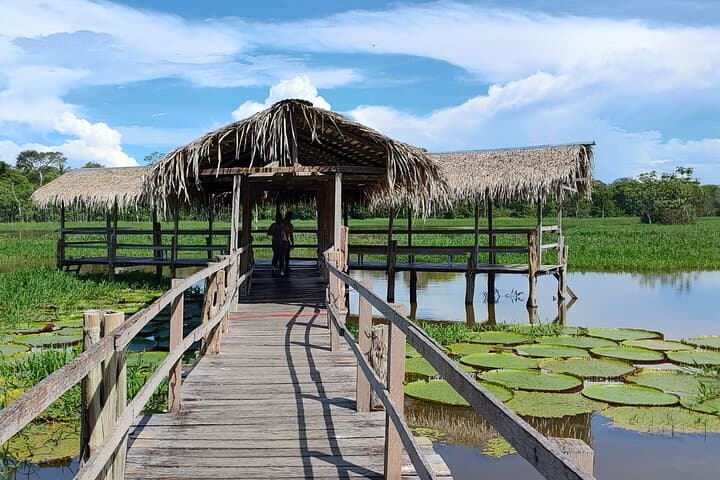
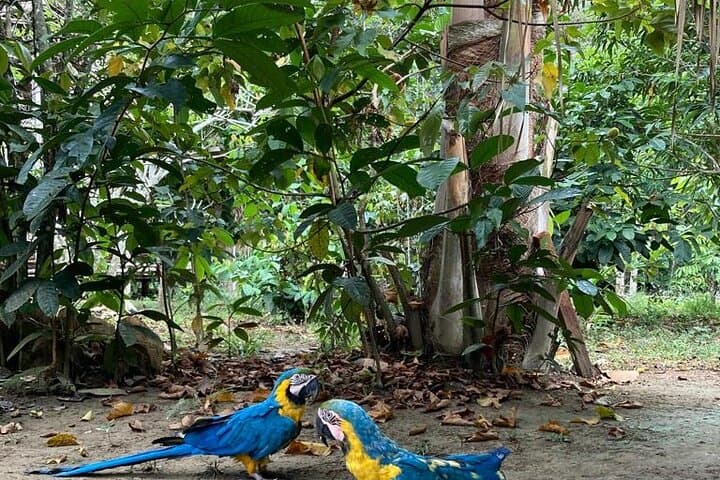
Floresta Nacional do Amazonas, established in 1989, spans over 1.8 million acres in the heart of the Brazilian Amazon rainforest. This national forest represents one of the largest federally protected sustainable use areas designed to balance conservation with controlled resource extraction, such as managed timber harvesting and non-timber forest product gathering. The region is characterized by a humid tropical climate with extensive lowland rainforest, a network of rivers and streams, and a complex ecosystem supporting a high diversity of flora and fauna, including endangered species such as jaguars, giant river otters, and harpy eagles. The territory is also home to small indigenous and traditional communities who maintain a close relationship with the forest, utilizing and preserving its resources. Recreationally, Floresta Nacional do Amazonas offers opportunities for guided ecotourism adventures, birdwatching, wildlife viewing, and cultural visits to local communities, though access is often challenging and requires coordination with local authorities or tour operators. The forest’s remote location means visitors can experience pristine jungle environments removed from urban influence. Key natural features include expansive canopy landscapes, diverse aquatic habitats, and endemic plant species. Managed by Brazil’s Chico Mendes Institute for Biodiversity Conservation (ICMBio), the forest plays a critical role in regional climate regulation, carbon storage, and biodiversity preservation. Visitors interested in adventure, nature research, and cultural immersion find Floresta Nacional do Amazonas a remarkable destination for experiencing the Amazon’s vast wilderness and sustainable forest stewardship.