Wilderness Landscape & Natural Heritage
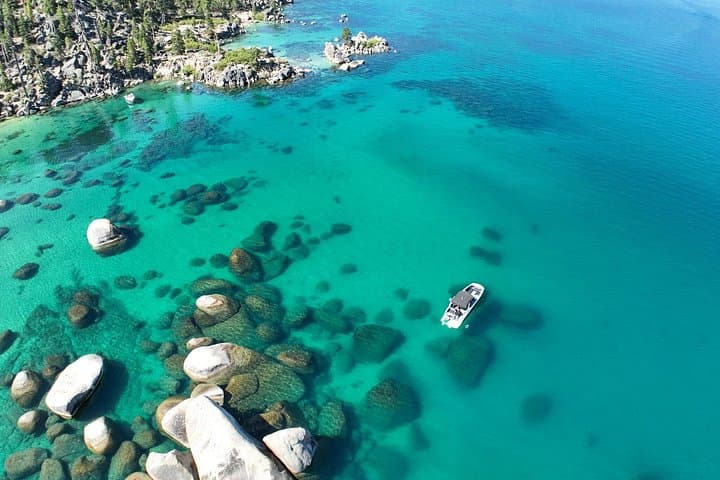
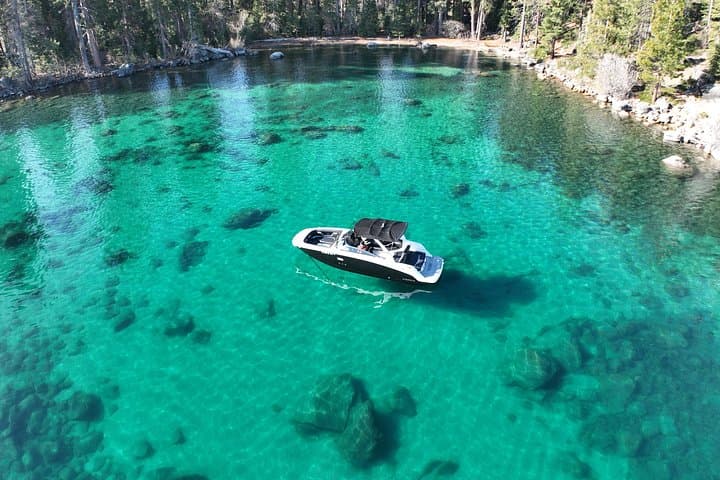
El Dorado National Forest spans over 600,000 acres in the central Sierra Nevada of Northern California, extending from the low elevation oak woodlands near the Sacramento Valley to the rugged, snow-capped peaks of the Sierra Crest. This forest features a wide array of ecosystems including ponderosa pine, cedar, fir, and alpine conifer forests. The geography includes deep river canyons, granite outcroppings, and mountain lakes, creating excellent habitat for wildlife such as black bears, mule deer, and bald eagles. Established in 1910, the forest is managed primarily by the U.S. Forest Service for multiple uses including recreation, timber, and watershed protection. Key recreational zones include the scenic American River Canyon, popular for whitewater rafting and fishing, and the northern reaches of the Pacific Crest Trail that crosses the forest's higher elevations. The forest contains notable landmarks such as Desolation Wilderness, a federally designated wilderness area known for its rugged granite peaks and crystal-clear alpine lakes. Outdoor enthusiasts are drawn to El Dorado for its extensive trail network, which supports hiking, mountain biking, and horseback riding, as well as winter sports like snowshoeing and cross-country skiing. The forest is accessible by several highways, with developed campgrounds and dispersed sites available for visitors seeking solitude or family-friendly camping. Its proximity to Sacramento and Lake Tahoe makes it a significant outdoor destination with impressive scenic drives and panoramic vistas. The forest's natural diversity and recreational versatility combine to make El Dorado National Forest a treasured location for year-round exploration and adventure.