Wilderness Landscape & Natural Heritage
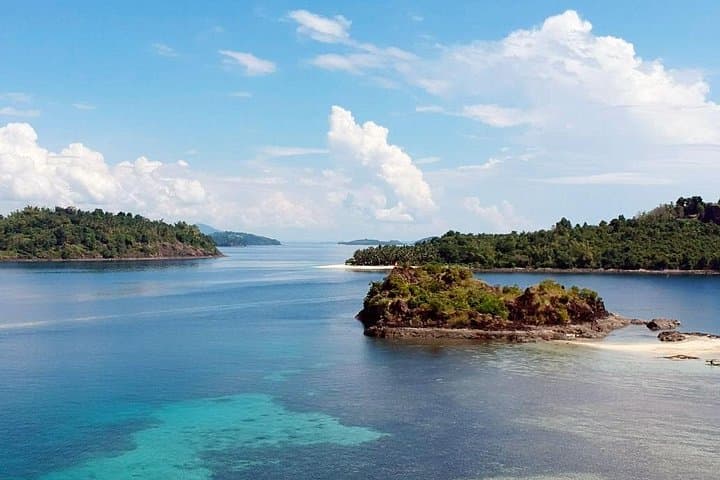
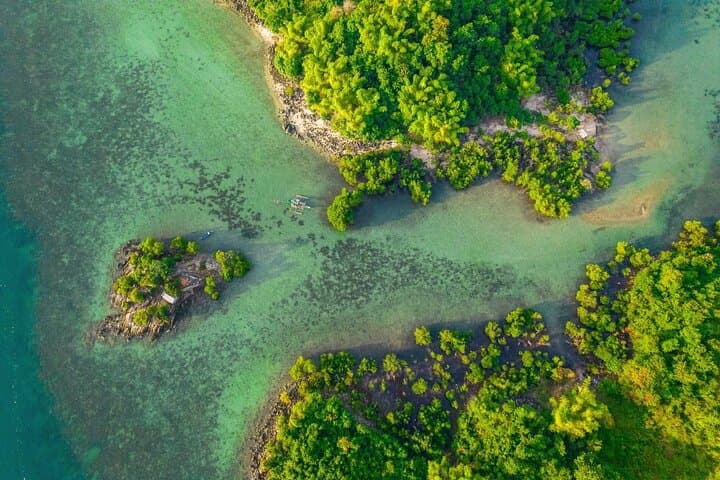
Located in the coastal area of Zamboanga del Sur in the Philippines, the Dumanquilas Bay Mangrove Forest is one of the largest and most ecologically significant mangrove ecosystems in the southern Mindanao region. The forest is characterized by diverse mangrove species such as Rhizophora, Avicennia, and Sonneratia, serving crucial roles in shoreline protection, carbon sequestration, and as nursery grounds for numerous fish and crustacean species. The forest forms an intricate, dense green buffer along the edges of Dumanquilas Bay, sheltering adjacent communities from storm surges and coastal erosion while supporting local fisheries. Historically, these mangroves have been integral to the culture and livelihood of indigenous and local communities, who rely on sustainable harvesting of forest and marine resources. Ecotourism activities such as birdwatching, guided boat tours through narrow channels, and nature walks provide intimate encounters with this vibrant ecosystem. Notably, Dumanquilas Bay Mangrove Forest supports several endangered and endemic species, including migratory shorebirds and marine wildlife, making it a hotspot for biodiversity conservation. Though not formally designated as a national park or monument, local conservation efforts in partnership with NGOs aim to safeguard the forest from threats like illegal logging, coastal development, and aquaculture expansion. The forest's natural beauty, with its labyrinth of roots and tranquil waters, attracts nature enthusiasts, researchers, and photographers year-round.