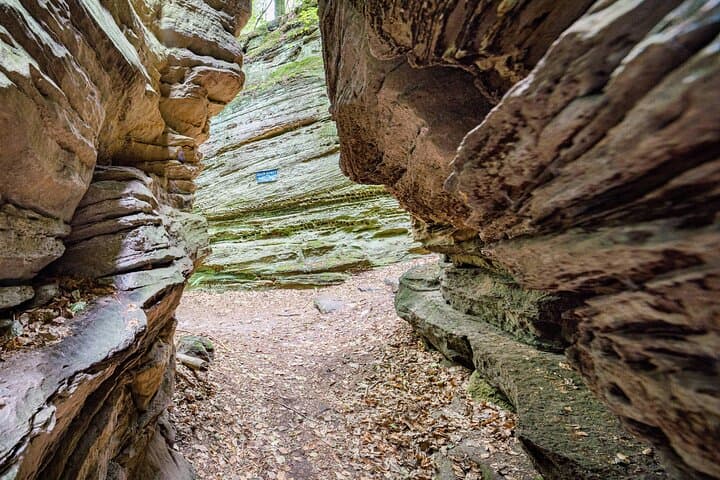
Wilderness Landscape & Natural Heritage
Bannwalds, or protected forests, in Rhineland-Palatinate represent a network of legally safeguarded woodland areas designed to conserve natural forest dynamics, biodiversity, and soil and water resources. Unlike commercial forestry areas, Bannwalds are left largely undisturbed by human activities, allowing natural processes to prevail. Geographically, these forests are scattered throughout Rhineland-Palatinate, often encompassing mixed deciduous and coniferous stands, steep slopes, ravines, and riparian zones that are critical for water catchment and soil stabilization. Ecologically, they support a rich mosaic of plant species including beech, oak, spruce, and fir, and provide habitat to mammals such as roe deer, wild boar, and various bat species, along with numerous birds, insects, and understory plants. The historical roots of Bannwalds trace back centuries as traditional protected woodlands once managed for watershed protection and forest regeneration, now enshrined under modern conservation law. Recreational opportunities are focused on low-impact nature observation, wildlife watching, and hiking along marked trails adjacent to or passing through Bannwald borders, emphasizing solitude and ecological education. Notable sites within the Bannwald system often include ancient forest stands and biotope hotspots, prized for their undisturbed character and scenic beauty. Visitors are drawn by the peacefulness and natural purity of these areas, appealing especially to nature lovers, researchers, and anyone seeking refuge from intensive land use. Management is oriented toward preserving old-growth characteristics and minimizing disturbance, making Bannwalds bastions of forest conservation within Rhineland-Palatinate's landscape.