Wilderness Landscape & Natural Heritage
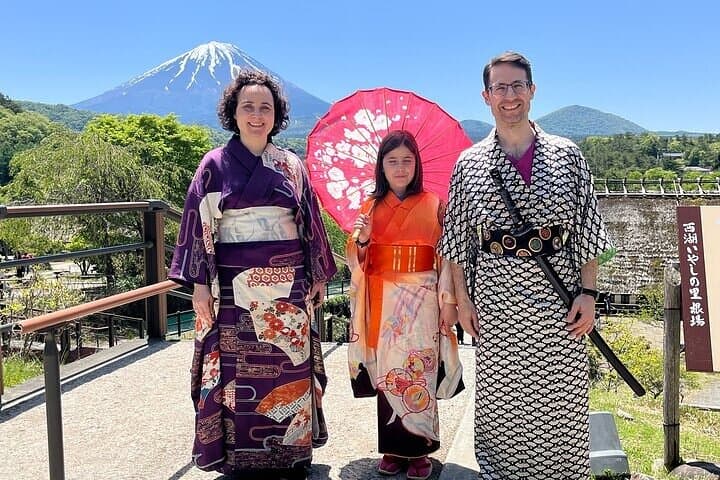
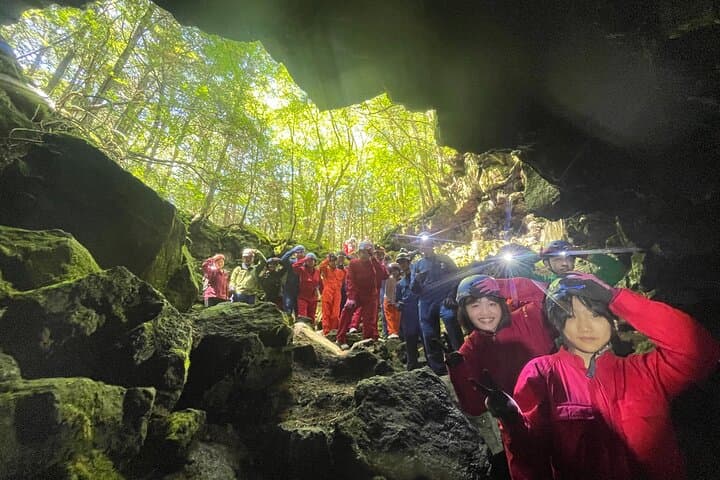
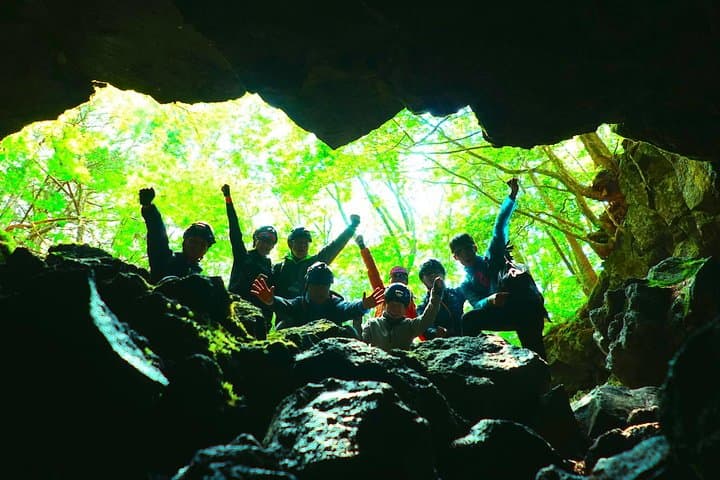
Aokigahara Forest, located at the northwestern base of Mount Fuji in Shizuoka Prefecture, Japan, spans approximately 35 square kilometers. Formed on hardened lava from Mount Fuji's 8th century eruption, the forest features complex terrain with porous volcanic rock beneath dense tree cover, primarily Japanese cedar and pine. The thick vegetation and unique topography contribute to a stillness and aura that have made it a notable place culturally and ecologically. The forest floor is riddled with lava caves, including the well-known Wind Cave and Ice Cave, which maintain near-constant temperatures year-round, offering fascinating spelunking opportunities.
Ecologically, Aokigahara supports diverse flora and fauna adapted to the volcanic soil, including several bird species and small mammals. Historically, the forest is deeply entwined with Japanese mythology and folklore, often referenced as a mysterious or spiritual place. It also has a somber reputation for being a site where people historically have gone to end their lives, leading to a strong presence of local efforts to increase safety and awareness.
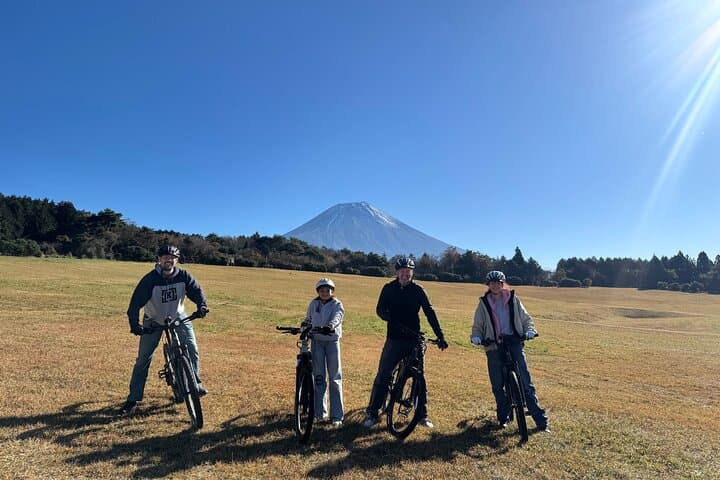
Outdoor enthusiasts visit Aokigahara primarily for hiking and exploration, with marked trails providing access to scenic viewpoints and lava caves. Despite its eerie cultural associations, it is prized for its unique geological features, peaceful environment, and close proximity to Mount Fuji. Visitors should respect local guidelines due to the forest’s sensitive cultural context and the risks posed by its rugged terrain.