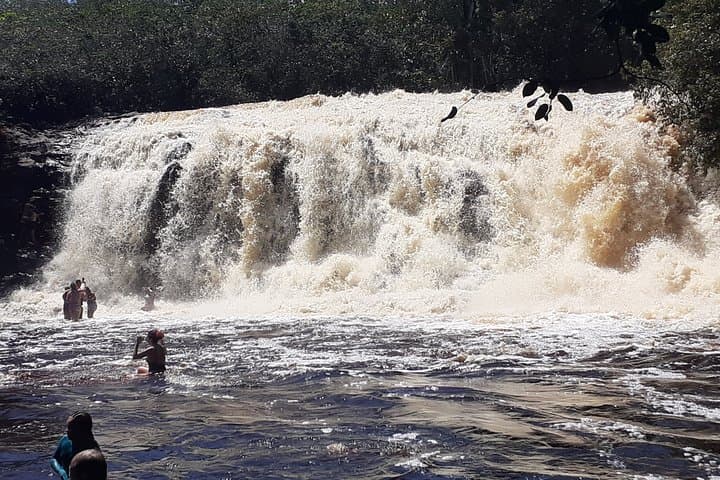
Wilderness Landscape & Natural Heritage
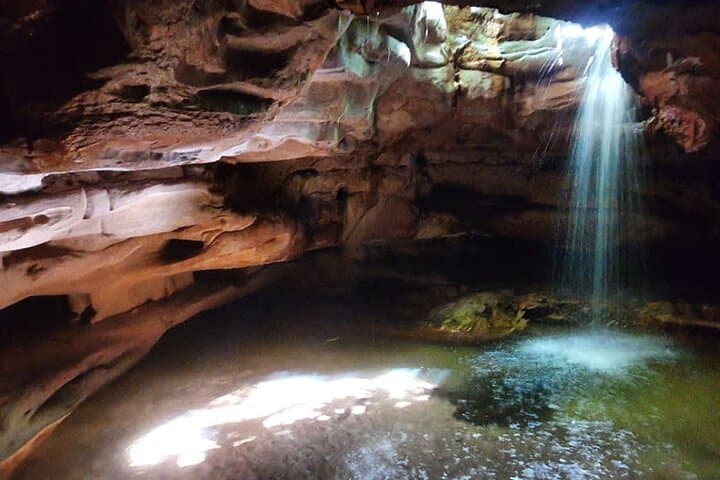
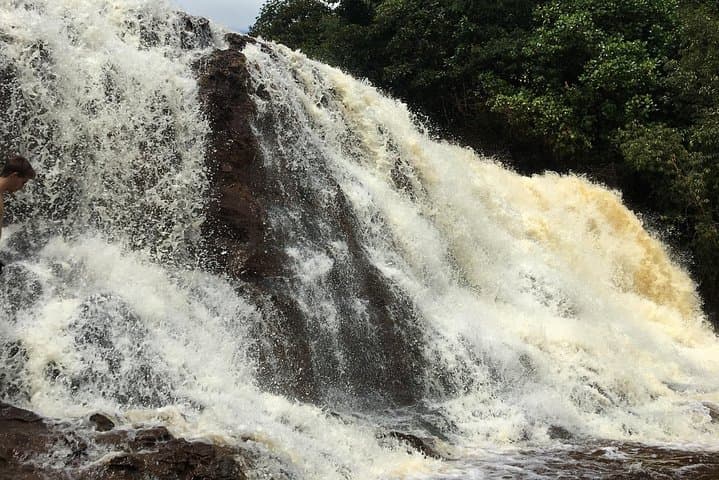
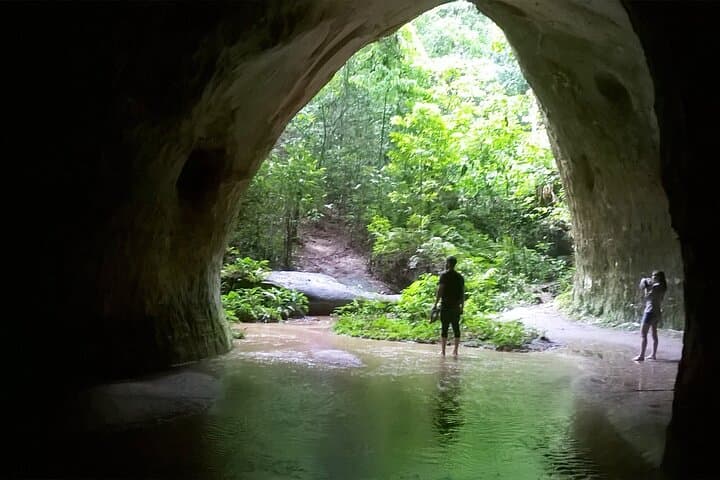
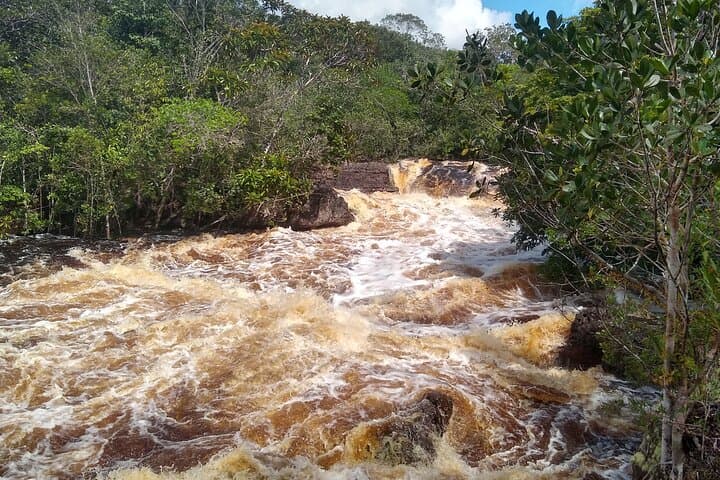
Amazonas National Forest (Floresta Nacional do Amazonas) is a federally protected sustainable use conservation unit established in 1989 and spanning over 1.94 million hectares in the heart of Brazil’s Amazon Basin. Characterized by dense lowland tropical rainforest, winding rivers, and rich alluvial floodplains, this forest is a globally significant reservoir of biodiversity. The region supports thousands of plant species, countless mammals including primates and jaguars, and diverse birdlife, making it a vital sanctuary within the Amazon biome. Historically, the forest has been under the stewardship of indigenous communities and is managed by Brazil’s federal environmental agency ICMBio to balance conservation with sustainable resource use. Visitors to Amazonas National Forest engage primarily in ecological and adventure tourism such as guided river expeditions, birdwatching, and boat trips through blackwater flooded forests (igapós). The forest’s network of waterways serves as natural trails, offering access to remote, unspoiled habitats and indigenous villages. While infrastructure is minimal to preserve its wild character, the National Forest is an ideal destination for scientists, conservationists, and intrepid travelers seeking immersion in one of the world’s greatest tropical wildernesses. Its secluded landscapes and seething ecological vitality epitomize the enduring allure of the Amazon rainforest and its enduring importance for global climate and biodiversity conservation.