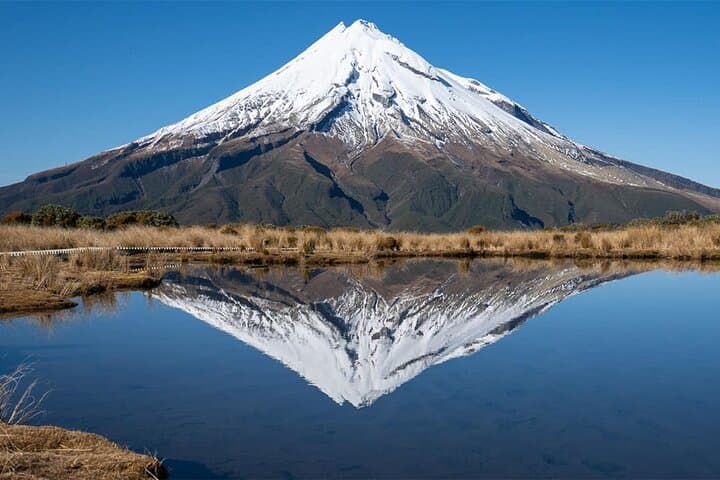
Wilderness Landscape & Natural Heritage
Parihaka Historic Reserve is located approximately 13 kilometers west of New Plymouth in the Taranaki region of New Zealand’s North Island. The reserve protects the site of Parihaka, the former Māori settlement known for its leadership under Te Whiti o Rongomai and Tohu Kākahi during the late 19th century. Parihaka became internationally recognized for its non-violent resistance to land confiscations imposed by colonial government forces. The landscape surrounding the historic village is primarily pastoral farmland interspersed with patches of native bush, offering a quiet environment that encourages reflection and connection to Māori heritage. Visitors can explore the grounds, tour historical markers and buildings, and learn about the stories of peaceful protest through interpretive panels and local guides. The reserve also contains several walking paths that wind through the area, providing access to notable sites such as the remains of pā (fortified villages), meeting houses, and carved sculptures commemorating the past. The ambient rural setting paired with the significant cultural history invites a unique outdoor experience that blends history, nature, and education. While the terrain is gentle and accessible, the focus here is largely on cultural heritage rather than strenuous outdoor recreation. The reserve plays an important role in preserving and sharing Māori identity and the resilient legacy of Parihaka’s people. Visitors can attend commemorative events with the local iwi (tribe) and explore the narrative of peaceful resistance that has inspired movements worldwide.