Wilderness Landscape & Natural Heritage
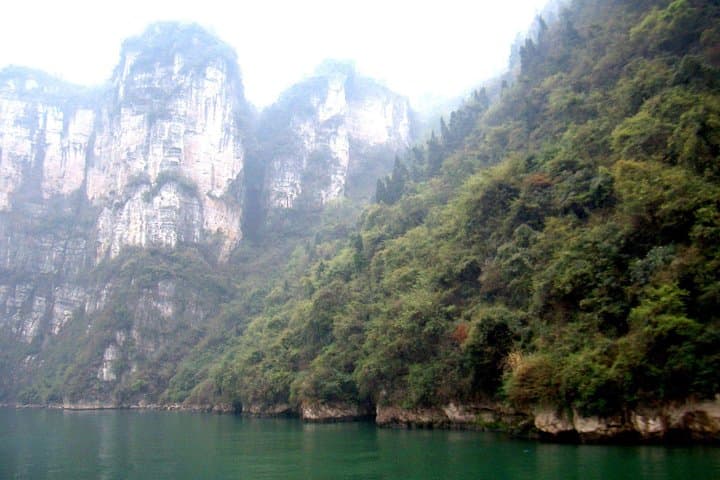
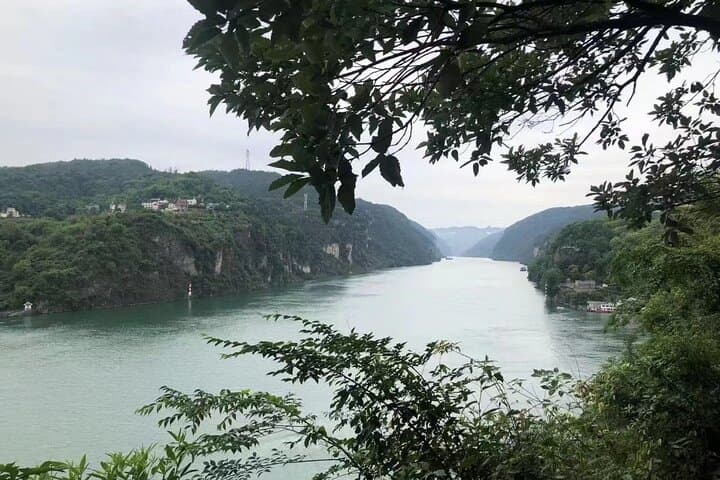
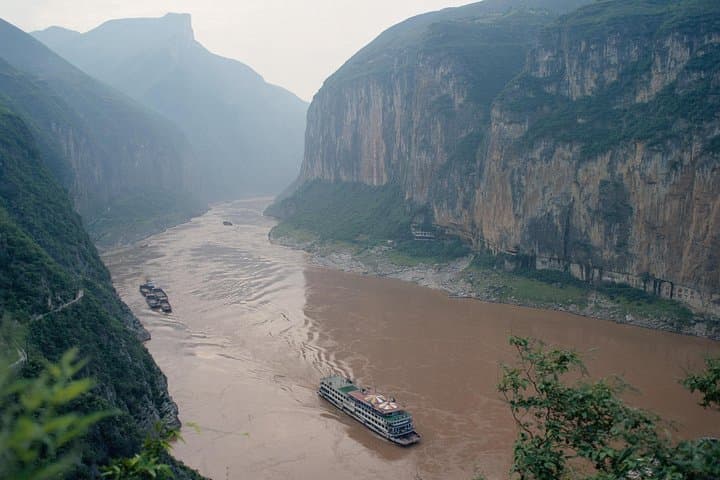
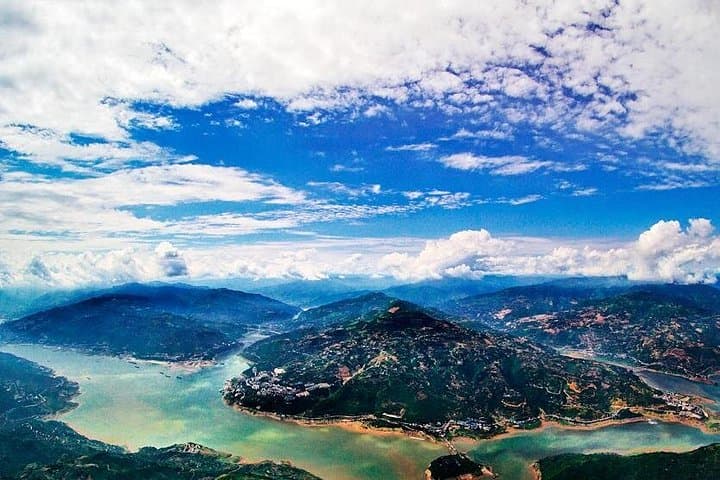
Located in northwestern Hubei Province, Shennongjia UNESCO World Heritage Site encompasses the Shennongjia Forestry District, a mountainous and ecologically rich area covering over 3,000 square kilometers. Named after Shennong, an ancient Chinese agricultural deity, the region is famed for its dense, pristine forests, hosting many endemic and rare species, including the elusive Golden Snub-nosed Monkey, clouded leopard, and the endangered Chinese giant salamander. The landscape is characterized by steep cliffs, deep valleys, karst formations, and mixed coniferous and broadleaf forests, ranging from subtropical to subalpine zones. This elevational variation supports a rich assemblage of flora and fauna, making it one of China’s most important biodiversity hotspots.
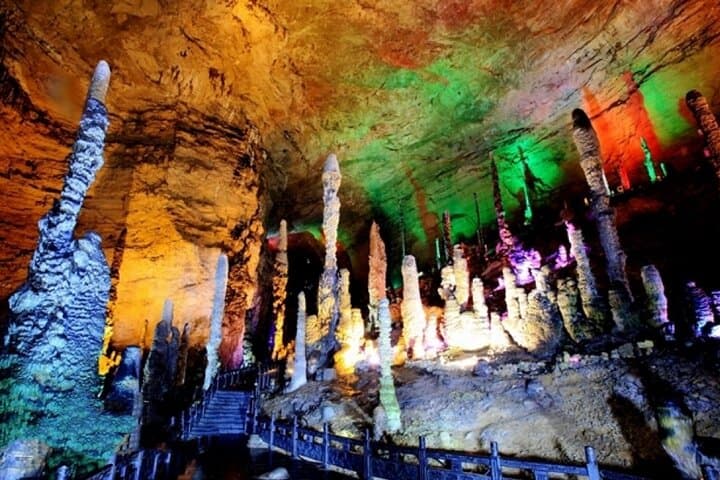
The area holds deep cultural significance and diverse folklore, with local ethnic minorities such as the Tujia and Miao people inhabiting the region. For outdoor enthusiasts, Shennongjia offers numerous trekking routes through magnificent old-growth forests and along ridge lines with breathtaking views, including the famed Shennongjia National Nature Reserve trails. Visitors can explore dense bamboo groves, mysterious caves, and high mountain peaks such as the Shennongding summit. Wildlife watching, botanical studies, and photography are popular due to the site’s spectacular natural heritage. The region’s remoteness and well-preserved ecosystems provide a rare glimpse into ancient landscapes resistant to large-scale human development. The UNESCO designation helps safeguard this unique environment while promoting sustainable ecotourism.