Wilderness Landscape & Natural Heritage
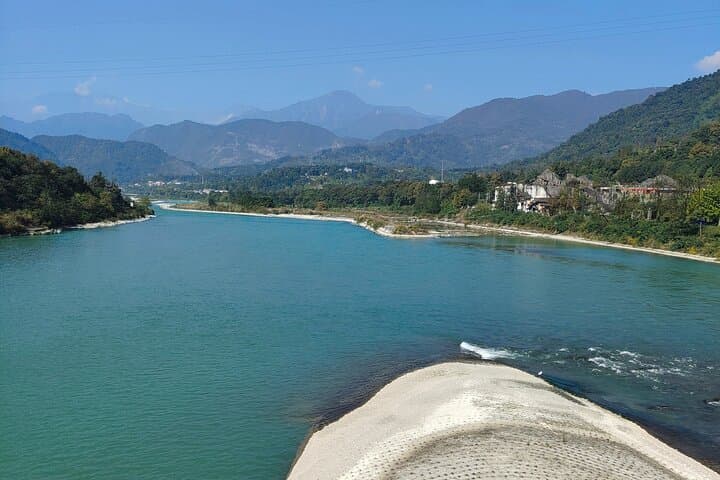
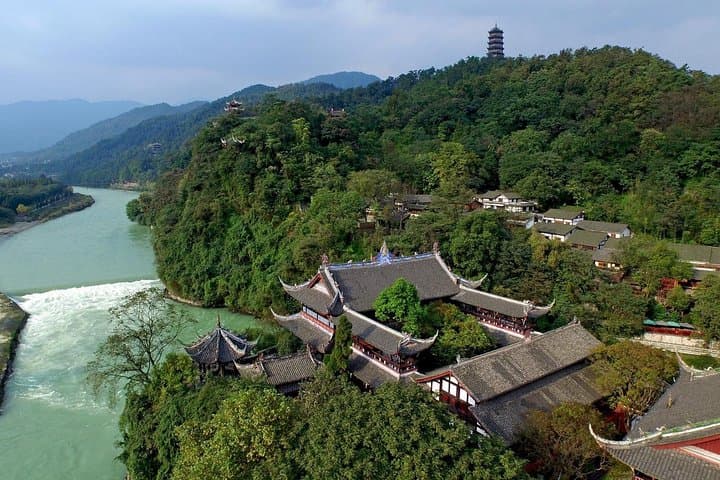
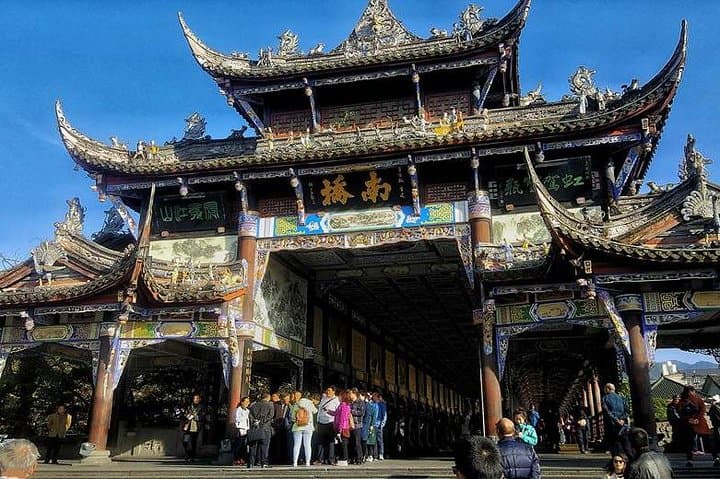
The Qingchengshan-Dujiangyan UNESCO World Heritage Site, located in Sichuan Province, China, includes the sacred Mount Qingchengshan and the ancient Dujiangyan Irrigation System. Mount Qingchengshan is one of the birthplaces of Taoism, featuring dense forests, tranquil paths, and historic temples dating back over 2,000 years, offering visitors a blend of spirituality, cultural heritage, and natural beauty. The Dujiangyan Irrigation System, constructed around 256 BC during the Qin Dynasty by engineer Li Bing, is a marvel of ancient engineering, still in use today to control flooding and irrigate the Chengdu Plain. This innovative system stands as a testament to harmony between human ingenuity and nature. Together, these sites highlight the deep-rooted relationship between cultural traditions and environmental management.
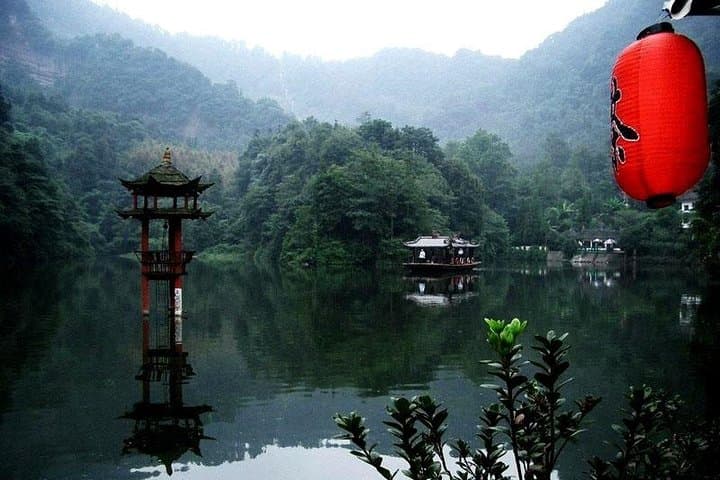
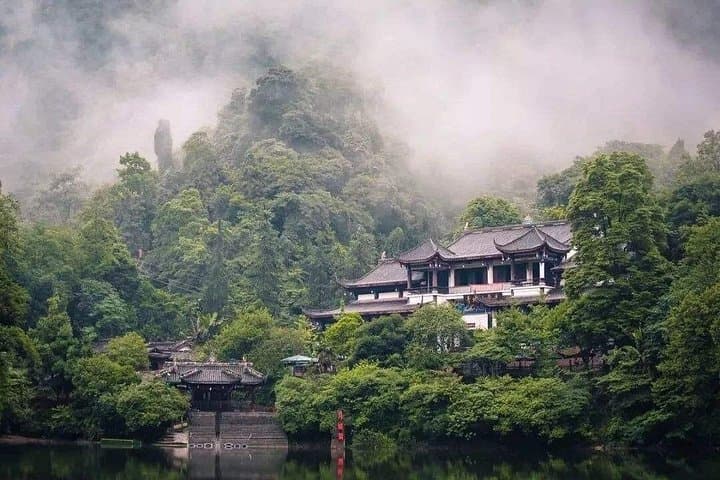
Geographically, the area features rugged mountain terrain enveloped in evergreen forests, subtropical vegetation, and clear mountain streams. The region is rich in biodiversity, supporting various endemic plant and animal species. Hiking trails crisscross Mount Qingchengshan, offering serene walks through forested slopes past Taoist temples and waterfalls. Visitors can explore key landmarks such as the Jianfu Palace, Shangqing Palace, and the scenic waterworks of Dujiangyan. The site appeals to nature lovers, history enthusiasts, and those seeking spiritual retreat, with its peaceful atmosphere and stunning natural scenery providing opportunities for meditation, photography, and moderate hiking.