Wilderness Landscape & Natural Heritage
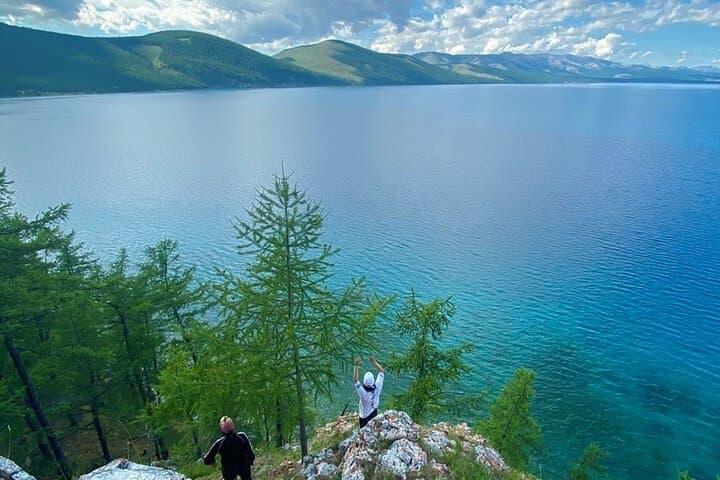
Putorana Nature Reserve, located in the remote Siberian region of Krasnoyarsk Krai, Russia, is one of the world's largest and most pristine northern wilderness areas. Covering an extensive area of volcanic plateau and dissected by deep canyons and fjord-like lakes, the reserve is recognized for its unique geological formations and untouched ecosystems. The terrain is dominated by the Putorana Plateau, a massive basaltic plateau formed by volcanic activity during the Paleogene period, rising sharply above the surrounding tundra and boreal forests. The Reserve is notable for its numerous waterfalls, steep cliffs, vast lakes, and one of the longest river networks in the Arctic Circle. Ecologically, Putorana supports a rich diversity of flora and fauna, including endemic species and large populations of Arctic wildlife such as reindeer, wild reindeer, snow sheep, and Siberian tundra fauna. It is also an important refuge for rare and endangered species like the Siberian stag and wild reindeer. Established in 1987 and designated a UNESCO World Heritage Site in 2010, the reserve remains largely untouched by humans, emphasizing conservation and scientific research over tourism. Due to its remote location and extreme climate, visitor access is highly limited and usually involves special permits and organized expeditions. Activities in the reserve center around scientific study, wildlife viewing, trekking on unmarked terrain, kayaking in pristine lakes and rivers, and photographing dramatic landscapes. The reserve’s sheer cliffs and waterfalls, including the famous Kanda waterfalls, offer spectacular vistas, while its Siberian wilderness setting provides a true sense of isolation and natural grandeur rarely found elsewhere on Earth.