Wilderness Landscape & Natural Heritage
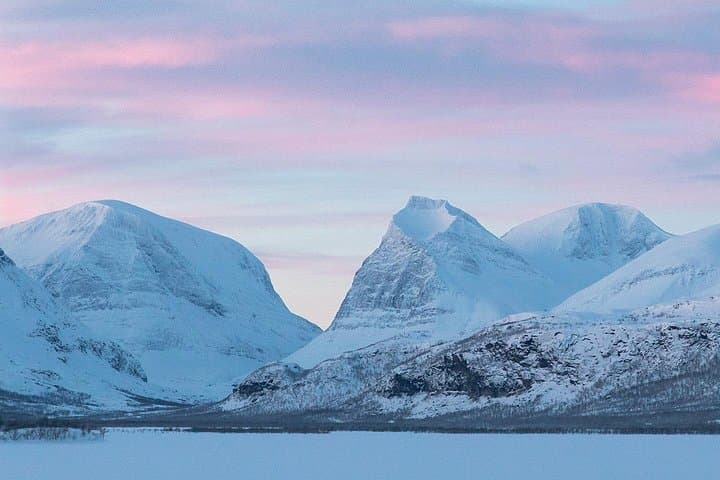
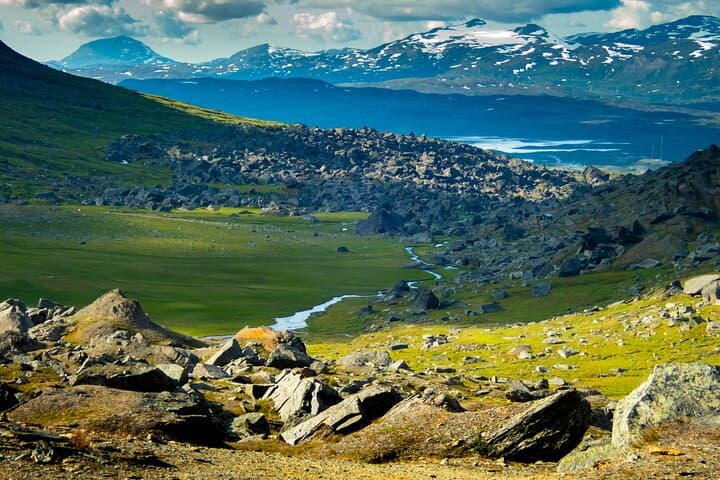
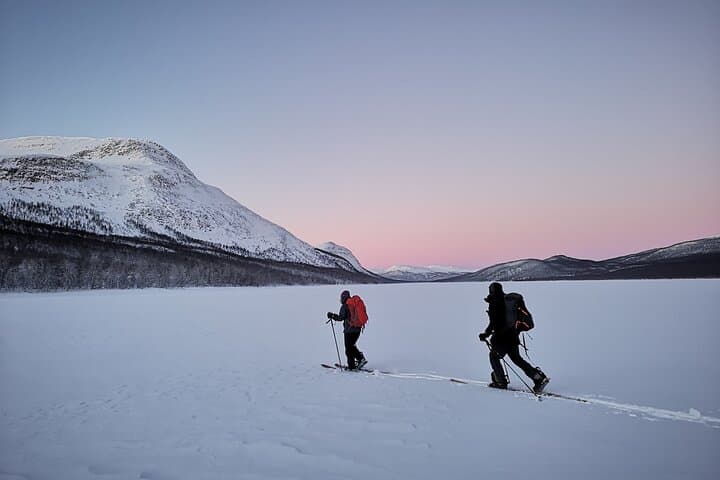
The Laponian Area is located in the mountainous region of Swedish Lapland, encompassing approximately 9,400 square kilometers of boreal forest, alpine tundra, wetlands, and river valleys. It consists of several national parks and nature reserves, including Sarek, Stora Sjöfallet, Padjelanta, and Muddus National Parks, making it one of Europe's most extensive wilderness areas. This region has been inhabited by the Sámi people for over 2,000 years, who maintain traditional reindeer herding, fishing, and hunting practices that harmonize with the ecosystem. The landscape is sculpted by glaciers, rivers, and rugged mountain peaks, with ancient forests and pristine waterways supporting diverse wildlife such as reindeer, brown bears, wolverines, and golden eagles. Visitors are drawn to the Laponian Area for backcountry hiking on trails like the Padjelanta Trail, canoeing and fishing along its clear rivers, and observing wildlife in a virtually undisturbed environment. The cultural significance of the area is highlighted by Sámi communities and their cultural manifestations, enriching the visitor experience. The Laponian Area preserves an exceptional fusion of natural and cultural values, protecting Europe’s last true wilderness while offering a peaceful retreat for outdoor enthusiasts seeking solitude and natural beauty.